
4 Luxury Hotel Design Trends in 2026
The biggest luxury hotel design trend of 2026 may be the end of obvious luxury.
Luxury is not disappearing.
But the way guests recognise it is changing.
Marble, craftsmanship, generous spaces, and exceptional materials still matter. Yet well-travelled guests have already experienced hundreds of beautiful hotels.
Another spectacular lobby is no longer enough on its own.
What increasingly creates distinction is harder to photograph and much harder to copy:
privacy, identity, emotional comfort, intuitive service, craftsmanship, control, and the feeling that an experience could only exist in this particular place.
For developers and hotel owners, this changes the question.
Instead of asking:
“What should a luxury hotel look like in 2026?”
A more useful question is:
“What does luxury mean to guests now — and how can design express it without becoming dated five years after opening?”
Rather than treating 2026 as a list of fashionable colours, materials, or furniture forms, we see four deeper shifts changing luxury hotel design.
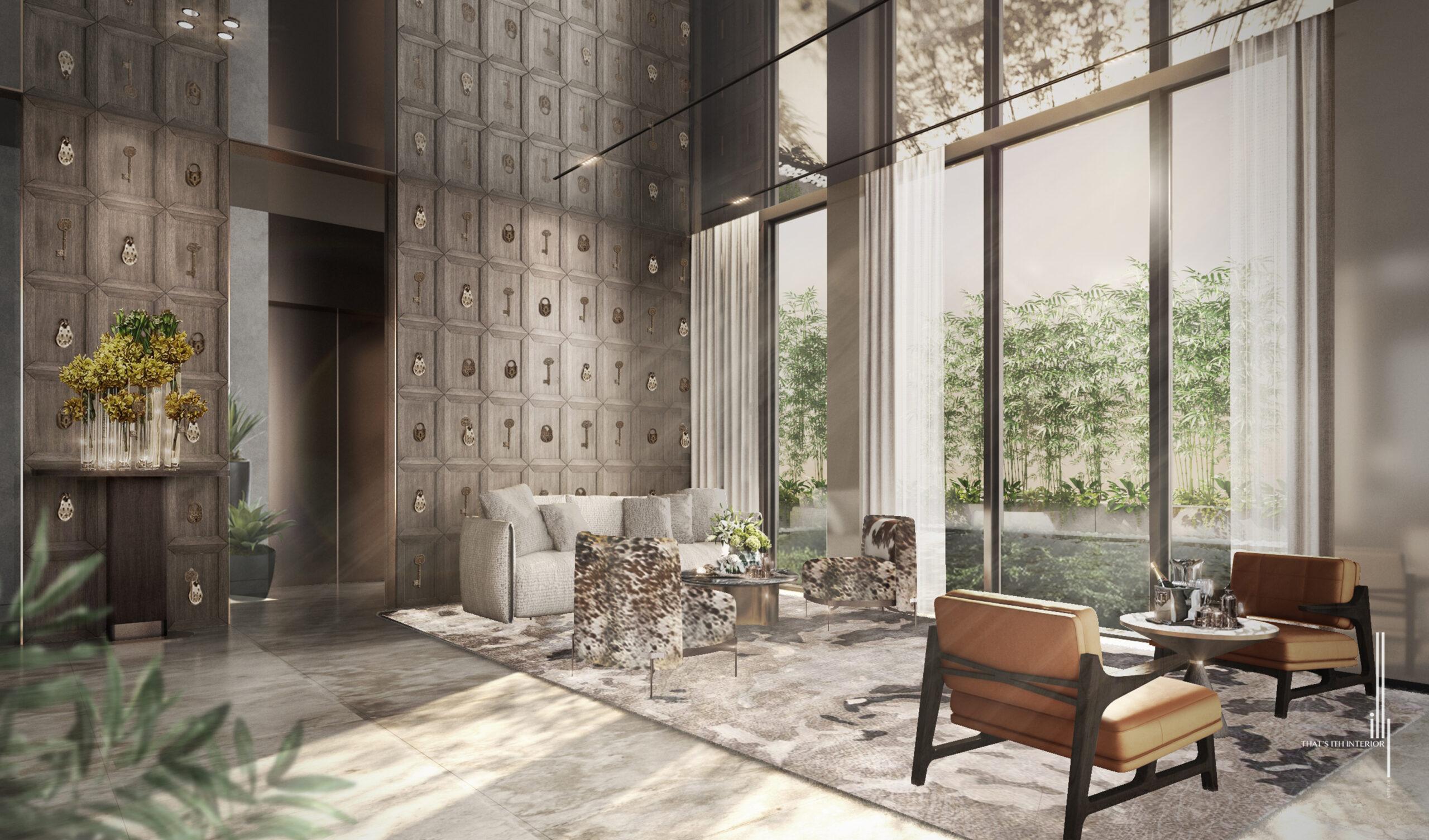
What Is Driving Luxury Hotel Design in 2026?
Luxury hospitality is moving from display toward experience.
For decades, luxury was often communicated through visible abundance: scale, expensive materials, recognisable brands, elaborate decoration, and highly polished environments.
Those signals have not disappeared.
But they are no longer sufficient.
Today’s luxury guest may value the ability to withdraw from noise as much as a dramatic social space.
They may appreciate a locally crafted object more than a recognisable international furniture brand.
They may judge a guestroom by how well they sleep rather than how impressive it looks when they first enter.
And increasingly, a hotel is expected to understand not only what a guest wants to see, but how they want to feel.
This has important implications for luxury hotel interior design.
The most relevant trends are not really styles.
They are changes in human expectation.
At That’s ITH, we believe trends are most useful when they tell us what is changing in people’s behaviour.
They should inform design.
They should never dictate it.
1. Luxury Is Moving From Spectacle to Specificity
For years, luxury hospitality competed through bigger visual gestures.
Higher lobbies.
More dramatic chandeliers.
More marble.
More photogenic moments.
There will always be a place for spectacle.
But in 2026, distinction increasingly comes from something subtler:
specificity.
Identity-Led Design Is Replacing Generic International Luxury
A luxury hotel in Bangkok should not feel interchangeable with one in London, Dubai, Tokyo, or Bali.
That sounds obvious.
Yet luxury hospitality has spent years developing a remarkably international visual language: beautiful stone, neutral palettes, sculptural furniture, metallic details, immaculate styling.
Executed well, these spaces can be beautiful.
But beauty without identity becomes difficult to remember.
Sense of place therefore matters more.
Not through obvious cultural decoration, but through interpretation.
A local craft technique might become contemporary joinery.
A familiar material might appear in an unexpected form.
Architecture, neighbourhood history, landscape, food culture, rituals, or everyday objects can become source material for a design language that belongs specifically to the property.
For luxury hotel interior design in Thailand, this creates an important opportunity.
The aim should not be to make a hotel “look Thai.”
It should be to create something that could not have emerged in exactly the same way anywhere else.
The future of sense-of-place design is not about looking local. It is about belonging.
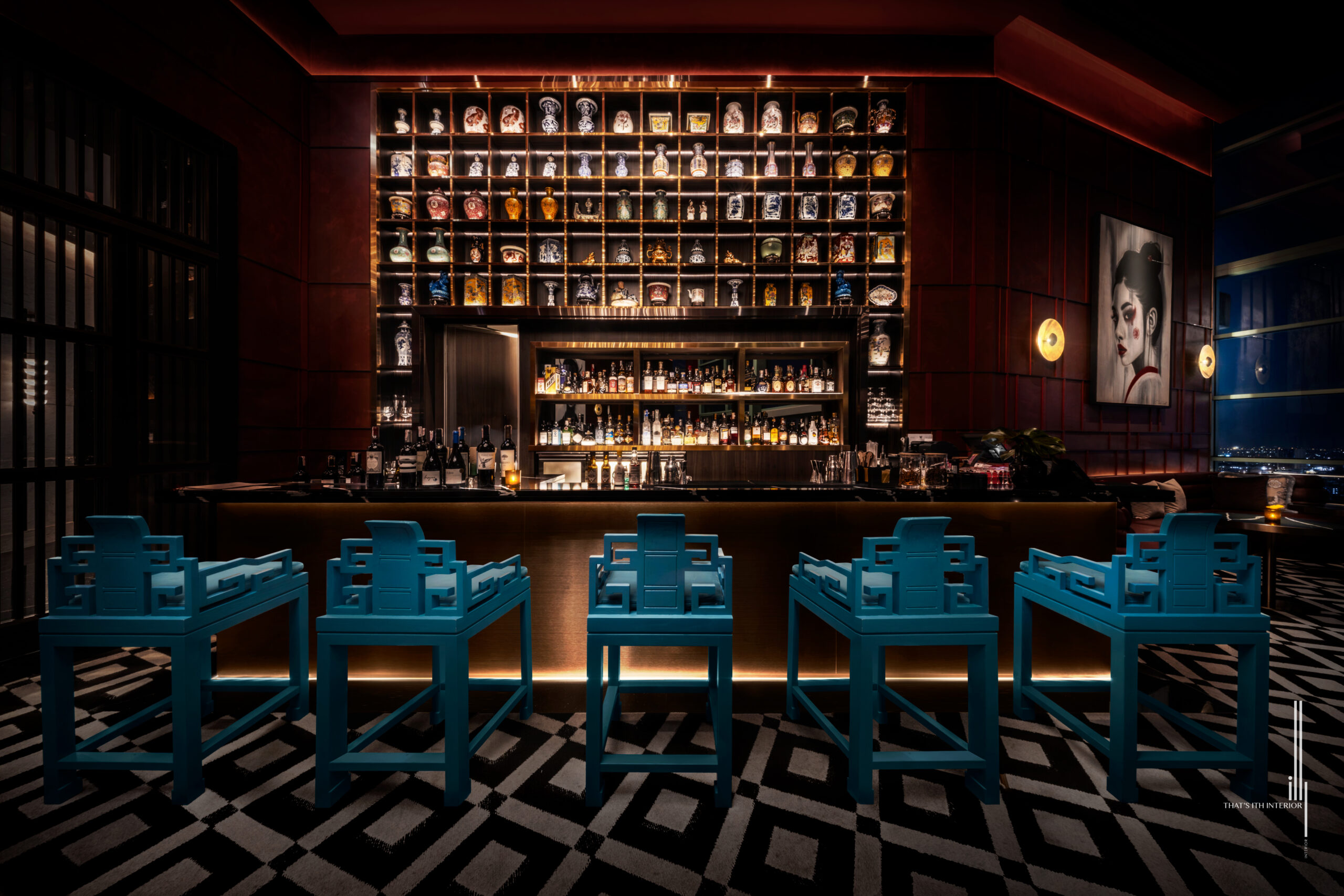
Quiet Luxury Is Really About Control
Another major shift is toward quieter, more restorative environments.
But “quiet luxury” should not be mistaken for another beige aesthetic.
It is not a colour palette.
It is about control.
Control over noise.
Control over light.
Control over privacy.
Control over when to engage and when to withdraw.
A hotel can still contain a theatrical restaurant, a vibrant bar, or a dramatic lobby.
The difference is that the guest journey should not maintain the same emotional volume everywhere.
A powerful luxury experience can move deliberately between stimulation and relief.
The bar can excite.
The corridor can decompress.
The room can protect.
That contrast creates rhythm.
Sometimes luxury is not giving a guest more to experience. It is giving them permission to experience less.
Privacy Is Becoming a Design Material
Privacy is also becoming more sophisticated.
It is not simply a private villa or a closed door.
Privacy can be created through seating orientation, acoustic zoning, landscape, thresholds, circulation, lighting, spatial buffers, and sightlines.
A guest may want to participate in the energy of a lobby without feeling exposed.
A restaurant may feel social while still allowing intimate conversations.
A pool or terrace may remain visually connected to the property while creating psychological separation.
For high-end hospitality, privacy should therefore be designed as carefully as marble, lighting, or furniture.
It is something guests can feel even when they cannot immediately identify how it has been created.
2. Wellbeing Is Moving From an Amenity Into the Architecture
Luxury hotels have offered spas for decades.
What is changing is the idea that wellness begins and ends at the spa door.
In 2026, wellbeing increasingly influences the entire property.
The Guestroom Is Becoming a Sanctuary Again
The most important wellness space in a hotel may not be the spa.
It may be the guestroom.
A genuinely restorative room needs more than an attractive bed.
Acoustic control.
Blackout.
Intuitive lighting.
Thermal comfort.
Good air quality.
Material tactility.
Storage that works.
A bathroom that does not create unnecessary friction.
Technology that can be understood without instructions.
And enough visual calm for the mind to disengage.
This sounds less glamorous than designing an extraordinary lobby.
But luxury hotel design is ultimately about what the guest experiences, not what receives the most photographs.
A guest who sleeps exceptionally well may remember that room more positively than one containing a more spectacular piece of furniture.
Wellness becomes powerful when guests feel the benefit without being constantly reminded that it was designed for them.
Biophilic Design Is Moving Beyond Plants
Nature remains important, but sophisticated biophilic design is becoming less decorative and more architectural.
A row of plants does not automatically create connection to nature.
Orientation might.
Daylight might.
A framed view might.
Natural ventilation might.
Shade might.
The sound of rain might.
A natural material that changes gradually over time might.
In Thailand and Southeast Asia, climate gives designers an especially rich set of opportunities.
The question is not simply:
“How do we bring nature inside?”
It might instead be:
“How can architecture and interior design allow guests to experience the climate and landscape more intelligently?”
That can produce spaces that feel far more authentic than adding greenery after the planning is complete.
Multi-Sensory Luxury Is Becoming More Precise
Luxury hotel design cannot be fully understood through photographs.
Guests experience sound.
Temperature.
Texture.
Scent.
Air movement.
Light.
The weight of an object.
The acoustic quality of a room.
Even the sound a door makes when it closes.
These elements influence whether a space feels refined, calm, energising, intimate, or uncomfortable.
The future of multi-sensory design is therefore not about adding more sensory effects.
It is about editing them more precisely.
A scent should not overwhelm.
Music should not compete with conversation.
Lighting should support the time of day.
Materiality should reward touch without creating maintenance problems.
At That’s ITH, we often think about hospitality design as closer to directing a scene than composing a static image.
A designer is shaping sequence, tension, atmosphere, pause, and reveal.
3. Craft and Technology Are Moving Toward the Same Goal: Personalisation
Craft and technology appear to sit at opposite ends of design.
One is handmade.
The other is digital.
Yet in luxury hospitality, both are increasingly serving the same purpose:
making an experience feel less generic.
Bespoke Craft Is Becoming a Stronger Luxury Signal
For decades, recognisable international brands were an immediate way to communicate status.
They still have value.
But another statement is becoming increasingly powerful:
“This exists only here.”
A commissioned artwork.
A custom light.
A piece of joinery made specifically for one location.
A hand-finished surface.
A regional craft interpreted through contemporary design.
These objects create value because they cannot simply be copied and placed somewhere else with the same meaning.
Thailand’s craft and manufacturing ecosystem gives luxury hospitality projects significant possibilities in this area.
But bespoke should never become a competition to customise everything.
A custom object without a reason is simply an expensive object.
The strongest bespoke elements perform a role in the larger story.
They might mark an arrival.
Frame a ritual.
Interpret local culture.
Or become the one thing a guest mentions when describing the hotel afterwards.
Craft creates luxury through meaning, not through complexity alone.
Technology Is Becoming Invisible
Technology is moving in almost the opposite visual direction.
The better it becomes, the less guests should notice it.
Luxury guests increasingly expect environmental controls, entertainment, connectivity, digital services, and personal preferences to function intuitively.
But a room filled with visible technology does not necessarily feel more advanced.
A guest should not need five minutes to discover how to turn off the lights.
The most successful technology removes friction.
It remembers without intruding.
It responds without demanding attention.
It gives guests control without requiring them to learn another system.
Good luxury technology should feel like service, not equipment.
Residential Comfort Is Influencing Luxury Hospitality
Another expression of personalisation is the increasing desire for spaces that feel emotionally comfortable rather than ceremonially luxurious.
This does not mean turning every five-star hotel into a house.
Hospitality should still create a sense of occasion.
But residential thinking can inform how guests actually live inside a room.
Where does a suitcase go?
Where can someone put their phone beside the bed?
Is there somewhere genuinely comfortable to read?
Can two guests use the bathroom without fighting over the same surface?
Can someone work without converting the room into an office?
These small questions are not visually dramatic.
But answering them well is often what makes an expensive room feel luxurious to use.
4. Luxury Is Being Measured Over Time, Not Only at Opening
One of the most important changes in luxury hotel design has little to do with appearance.
Developers are increasingly designing for a longer horizon.
A hotel that looks extraordinary at opening but becomes operationally difficult, inflexible, or visibly dated after several years has not delivered lasting luxury.
Social Spaces Need to Adapt Without Becoming Generic
Hotel lobbies and public areas increasingly perform several roles.
Morning meeting point.
Workspace.
Informal lounge.
Afternoon social space.
Evening bar.
Event setting.
The obvious response is flexibility.
But flexible space often carries a risk:
when everything is designed to do everything, the result can feel like nothing.
Luxury flexibility therefore requires stronger, not weaker, identity.
Furniture zoning.
Lighting scenes.
Acoustic differences.
Changes in scale.
Movable elements where appropriate.
Distinct edges and focal points.
These allow one space to support different behaviours without turning into a neutral multipurpose room.
Projects such as lyf Sukhumvit 8 demonstrate how hospitality spaces can be designed around changing social behaviour rather than a single static function.
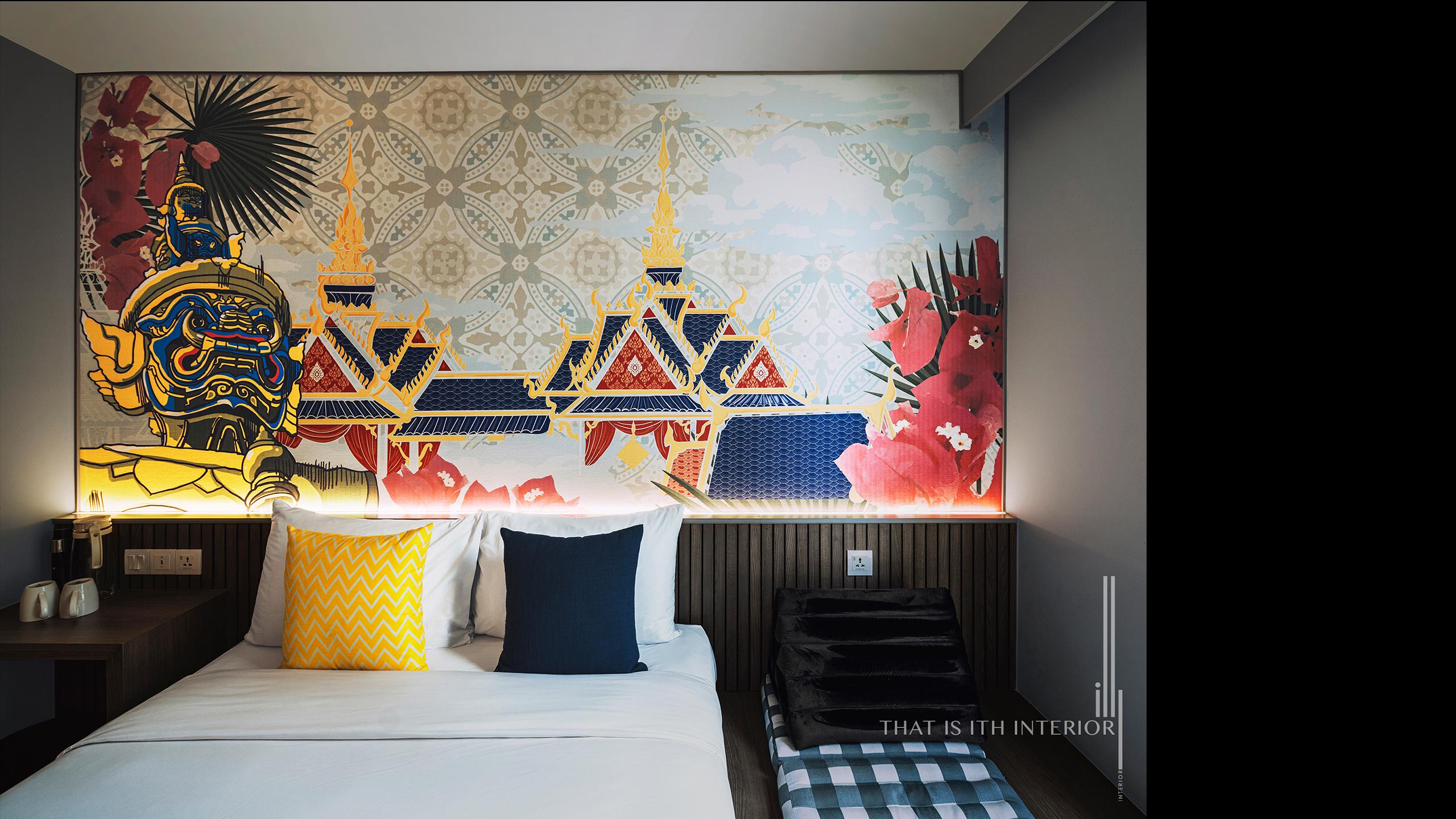
Sustainability Is Becoming a Question of Longevity
Sustainable luxury should not be reduced to a list of environmentally preferable materials.
Those specifications matter.
But a larger question is emerging:
How long will this design continue to work?
A material that needs replacing prematurely may not represent a responsible decision, regardless of its environmental marketing.
A highly fashionable interior that requires a major aesthetic renovation shortly after opening carries another form of waste.
Long-term thinking includes durability, repairability, adaptability, local sourcing where appropriate, efficient systems, passive environmental strategies, and design decisions capable of ageing with dignity.
This is where sustainability and luxury can become closely aligned.
Both value quality over disposability.
Timeless Does Not Mean Safe
The fear of dating often pushes luxury hotels toward another problem:
designing something so safe that it never had an identity in the first place.
That is not timelessness.
It is anonymity.
A strong hotel can use colour.
Drama.
Pattern.
Unusual materials.
Bold art.
Unexpected forms.
The question is why they are there.
A dramatic decision rooted in the hotel’s identity can remain meaningful long after a fashionable neutral palette has become dated.
Timeless design is not design without personality. It is design whose personality has a reason to exist.
How Do Luxury Hotel Design Trends Differ by Hotel Type?
Luxury is not one category.
A five-star city hotel in Bangkok faces different conditions from a beachfront resort, an intimate boutique property, or a branded urban hotel.
An urban hotel may need to balance privacy with social energy and create a strong relationship with its city.
A resort may place more emphasis on landscape, restoration, climate, and longer dwell time.
A boutique luxury hotel may have greater freedom to create variation and highly specific moments.
A large branded hotel may need to protect individuality within stricter operational and brand systems.
No trend should therefore be applied equally across every property.
The designer’s job is not to know which trends are popular. It is to know which ones matter here.
Why Following Luxury Hotel Design Trends Literally Is Dangerous
Hotel developments take years.
Trends can disappear in months.
That mismatch matters.
A fashionable colour can date.
A popular furniture silhouette can become instantly associated with one period.
A social-media visual language can become tired before the property reaches its first major refurbishment.
The deeper forces behind trends are much more useful.
Guests want greater wellbeing.
They value privacy.
They respond to meaningful local identity.
They appreciate craftsmanship.
They expect technology to work.
They want spaces that feel personal rather than generic.
Those are behavioural insights.
How they are translated into design should be different for every project.
This is the difference between using trends as information and using them as instruction.
A Framework for Testing Any Luxury Hotel Design Trend
Before introducing a trend into a luxury hotel project, developers and designers can ask six questions.
1. Does it strengthen identity?
If the same idea could be moved into almost any hotel, it may not be specific enough.
2. Does it improve the guest experience?
A trend without functional, behavioural, or emotional value is decoration.
3. Does it work operationally?
Luxury has to survive housekeeping, service, maintenance, staffing, and everyday use.
4. Does it belong here?
A global trend should still make sense for the location, climate, brand, and guest.
5. Can it age with dignity?
Materials, technology, furniture, and visual decisions should be considered against the lifespan of the property.
6. Can we explain why it exists?
Every important design decision should have a better reason than:
“Because it is trending.”
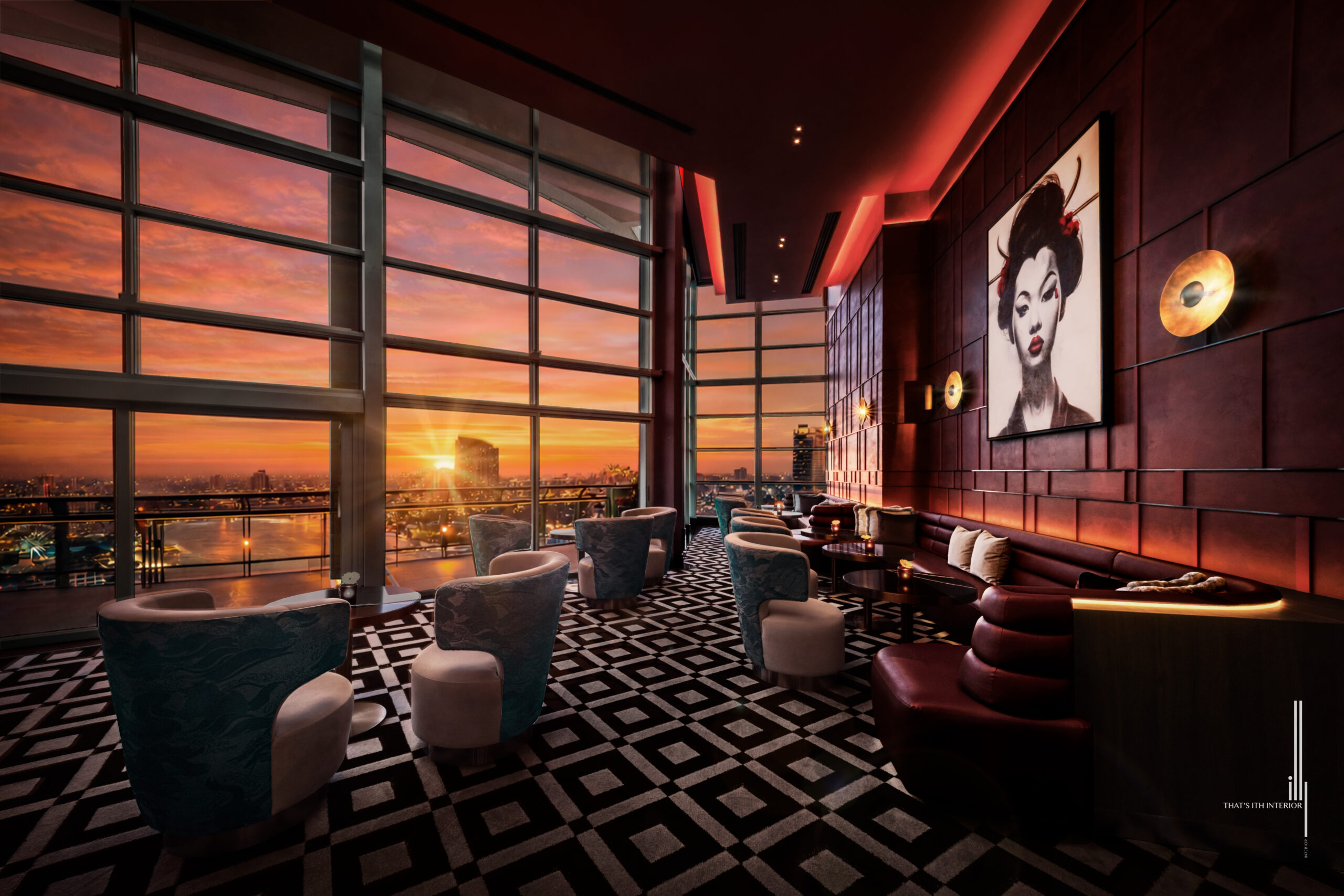
That’s ITH’s Perspective on Luxury Hotel Design
At That’s ITH Interior, we do not believe trends should determine what a luxury hotel becomes.
They help us understand the world that hotel is entering.
We begin somewhere else:
with identity.
The place.
The brand.
The audience.
The culture.
The business.
And the emotional experience that should exist between them.
That is why one That’s ITH project can look completely different from another.
The Royal Orchid Sheraton Ballroom requires a different design language from lyf Sukhumvit 8, which again requires a different response from Silver Waves at Chatrium Riverside Bangkok.
The consistency is not in the aesthetic.
It is in the thinking.
For us, Fearless Luxury does not mean making a space louder, more expensive, or more obviously luxurious.
It means having the confidence to make the decision the project actually needs.
Sometimes that decision is dramatic.
Sometimes it is quiet.
Sometimes luxury is an extraordinary crafted object.
Sometimes it is privacy.
Sometimes it is an unforgettable reveal.
And sometimes it is simply a room that knows exactly when to leave the guest alone.
The goal is not to design a hotel that looks like 2026.
It is to understand 2026 well enough to design something that can outlive it.
That is what Designing Places People Remember means to us.
Explore That’s ITH luxury hospitality and interior design projects.
Planning a Luxury Hotel Project?
The most important luxury hotel design conversations happen before the visual language has already been decided.
Early collaboration allows brand positioning, architecture, guest experience, operations, interior design, and long-term commercial goals to inform one another before major decisions become difficult to change.
Led by founder and designer ITH Palach, That’s ITH Interior is a Bangkok-based interior design studio working across hospitality, residential, and commercial projects in Thailand and international markets.
We collaborate with developers, hotel operators, architects, and multidisciplinary project teams to transform identity, location, guest experience, and ambition into distinctive built environments.
Contact That’s ITH Interior to discuss your next luxury hotel, resort, or hospitality development.
Frequently Asked Questions
What are the biggest luxury hotel design trends in 2026?
Luxury hotel design trends in 2026 are being shaped by four broader shifts: greater emphasis on identity and quieter forms of luxury; wellbeing integrated throughout the property; bespoke craft and intuitive personalisation; and a stronger focus on flexibility, sustainability, and long-term relevance.
Rather than creating one dominant visual style, these shifts reflect changing expectations around what luxury should feel like.
What does luxury hotel design mean in 2026?
Luxury hotel design increasingly goes beyond expensive materials or dramatic visual statements.
Privacy, comfort, craftsmanship, intuitive technology, strong sense of place, personalisation, wellbeing, and a distinctive guest experience are becoming important ways hotels communicate luxury.
Is quiet luxury replacing dramatic hotel design?
Not entirely.
Quiet luxury is better understood as a desire for discretion, control, intimacy, and relief from overstimulation rather than a requirement for minimalist design.
A luxury hotel can still be dramatic, colourful, or theatrical while providing quieter moments where the guest needs restoration and privacy.
How is wellness changing luxury hotel interior design?
Wellness is moving beyond dedicated spas and into guestrooms, public spaces, lighting, acoustics, sleep environments, thermal comfort, nature connection, and the overall sensory rhythm of the guest journey.
The strongest wellness design often works without visibly presenting itself as a wellness feature.
Why is craftsmanship important in luxury hotel design?
Bespoke craftsmanship can give a hotel objects and details specific to its identity and location.
Its value comes not simply from being handmade or expensive, but from creating something meaningful and difficult to reproduce elsewhere.
How important is technology in luxury hotel interior design?
Technology is increasingly important, but the most successful systems are often visually discreet.
Guests should be able to control lighting, temperature, entertainment, and other room functions intuitively without technology competing with the physical design or creating unnecessary friction.
How can luxury hotels use trends without becoming dated?
Hotels should focus on the lasting behavioural shift behind a trend rather than copying its current visual expression.
For example, wellbeing may remain relevant for decades even though today’s wellness aesthetic changes. The same applies to privacy, sense of place, personalisation, adaptability, and craftsmanship.
What should developers look for in a luxury hotel interior designer in Thailand?
Look for a studio that combines hospitality experience, technical capability, understanding of operations, material and craft knowledge, and strong conceptual thinking.
Most importantly, the designer should be able to explain why a design decision belongs specifically to the property rather than simply reproducing a current luxury trend.