
3 Luxury Home Interior Design Trends Shaping 2026
The most important luxury home interior design trends of 2026 are not really about what homes should look like.
They are about what homeowners increasingly expect a home to do for them.
Beautiful materials still matter. Craftsmanship matters. Art, furniture, and architecture still matter.
But for many homeowners, visual perfection alone is no longer enough.
A home also has to help them recover from the outside world. Adapt when family life changes. Support privacy without isolation. Make technology useful without making it visible. And, perhaps most importantly, feel unmistakably like their home rather than an exceptionally expensive showroom.
That changes the question worth asking.
Not:
“What is the luxury look for 2026?”
But:
“How is the meaning of luxury at home changing — and what should we design differently because of it?”
We see three larger shifts shaping luxury home interior design in 2026: from display to emotional comfort, from recognisable luxury to personal specificity, and from fixed rooms to homes capable of changing with the people inside them.
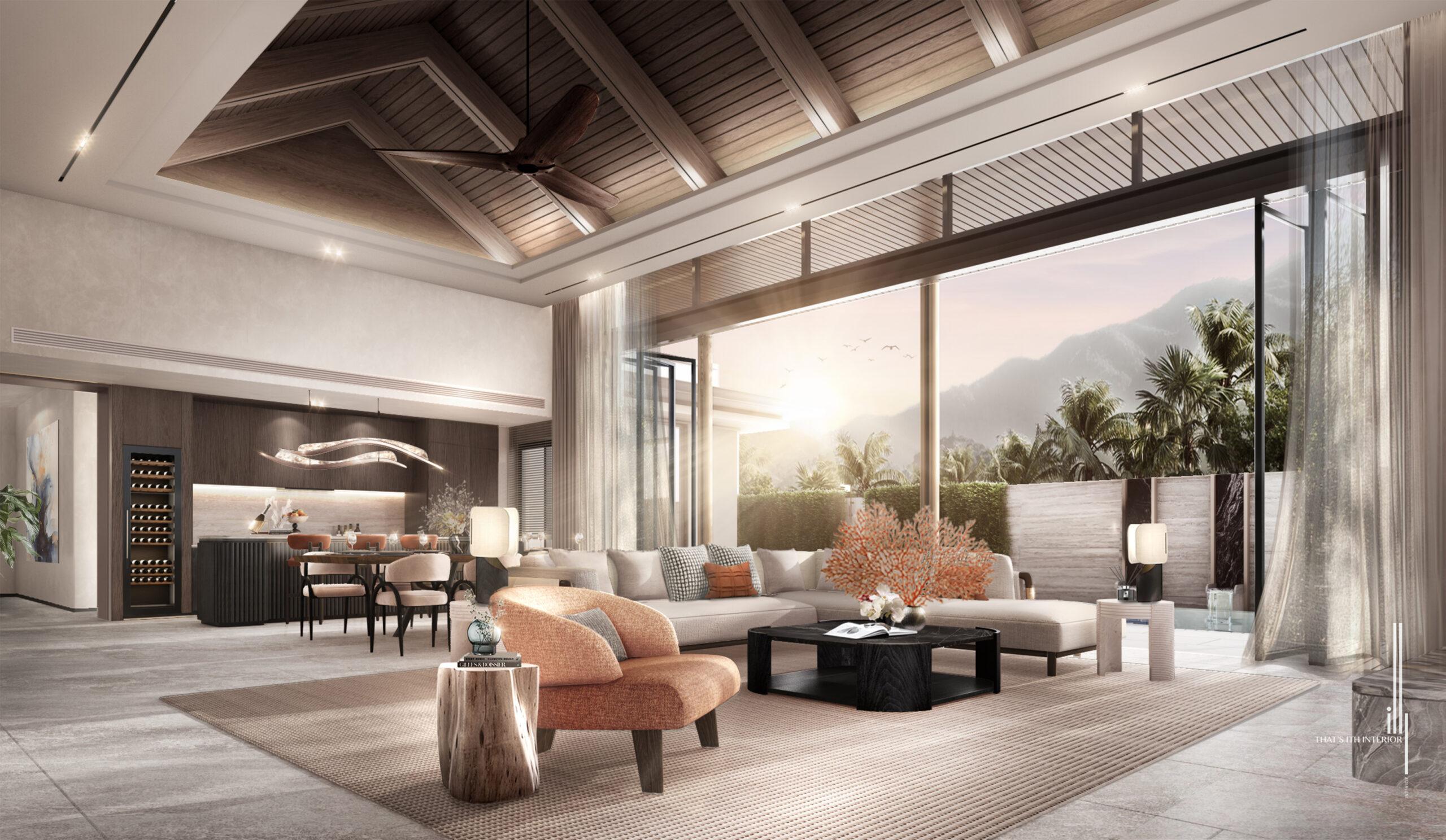
What Is Actually Changing in Luxury Home Interior Design?
For a long time, luxury residential design was easy to recognise.
Premium stone.
Imported furniture.
Large spaces.
Statement lighting.
Perfectly styled rooms.
Those things have not suddenly become irrelevant.
But sophisticated homeowners have already seen countless beautiful interiors — online, while travelling, and often in homes they have owned before.
What becomes more valuable after that?
Specificity.
A breakfast chair placed exactly where someone likes the morning sun.
A room that can become private when three generations of a family are together.
Lighting that changes naturally through the evening without requiring five different apps.
A piece of furniture commissioned because it solves something peculiar to one family.
A home that understands when its owners want people around them — and when they absolutely do not.
At That’s ITH, we believe this is the deeper shift beneath many of today’s residential trends.
Luxury is becoming less about demonstrating what someone can afford and more about how precisely a home understands the people living inside it.
1. Luxury Is Moving From Visual Performance to Emotional Fit
Wellbeing Is Becoming Part of the Whole House
Wellness in residential design is moving beyond the dedicated gym, spa bathroom, or meditation room.
The more meaningful question is whether the whole home supports everyday wellbeing.
Natural light.
Acoustic comfort.
Sleep.
Air quality.
Thermal comfort.
Privacy.
Connection with landscape.
Lighting at different times of day.
The ability to be together without constantly being on top of one another.
A bedroom designed genuinely around sleep, for example, may prioritise blackout, acoustics, temperature, lighting control, material softness, and the relationship between bed and morning light.
None of these decisions necessarily produce a spectacular photograph.
But the homeowner experiences them every day.
The most valuable wellness features are often the ones people eventually stop noticing because the house simply feels better to live in.
The Real Trend Is Not “Quiet Luxury” — It Is Emotional Zoning
There is a tendency to describe contemporary luxury residential design as becoming quieter, softer, and more restrained.
That is only half the story.
People have not suddenly stopped wanting colour, personality, art, drama, or joy.
Nor should they.
A home is not a luxury hotel suite where one atmosphere needs to satisfy a rotating population of guests.
The same person may want a highly expressive dining room on Saturday night and near-total visual silence in the bedroom six hours later.
A family room can be energetic.
A study can feel protected.
A dressing room can be theatrical.
A bathroom can be almost monastic.
This is why we think the more interesting shift is toward emotional zoning rather than one “quiet luxury” aesthetic applied everywhere.
Luxury is the freedom to let different rooms support different versions of the same person.
A good home does not maintain one mood. It knows when to change it.
Nature Is Becoming Part of How the House Behaves
Biophilic design is also becoming more architectural.
A collection of indoor plants may be pleasant, but a genuine connection with nature begins much earlier.
Orientation.
Daylight.
Shade.
Views.
Cross-ventilation.
Courtyards.
Outdoor rooms.
The way rain is experienced.
The movement of sunlight across a wall.
The relationship between interior materials and the landscape outside.
In Thailand, this becomes particularly relevant.
Climate should not be treated only as something to shut out with air-conditioning and glass.
Handled intelligently, it can become part of the experience of the home itself.
A shaded terrace can become another living room.
A courtyard can provide privacy and daylight simultaneously.
A breeze through an intermediate space can change how the house is used throughout the day.
Nature-connected design is strongest when nature is part of the architecture, not decoration added afterwards.
2. Luxury Is Moving From Recognition to Specificity
Bespoke Is Becoming More Valuable Than Brand Recognition
There will always be pleasure in beautifully made furniture from respected international brands.
But private residential design offers another kind of luxury that hospitality cannot replicate as easily:
“This was made for us.”
A dining table developed around the way a family actually gathers.
A cabinet designed for a personal collection.
Commissioned artwork with private significance.
Joinery shaped around an unusual ritual or habit.
A material detail connected to a memory.
Bespoke design becomes valuable not because custom automatically means expensive.
It becomes valuable because it removes the gap between a beautiful object and the life around it.
This is where residential interiors can become deeply personal.
The ambition is not to customise everything.
That usually creates unnecessary cost and complexity.
The designer’s judgment lies in recognising which things deserve to exist only once.
Material Luxury Is Becoming More Tactile and Less Perfect
Another shift is from surfaces that merely look expensive toward materials that become richer through use.
Honed rather than excessively polished stone.
Timber whose grain remains visible.
Metal allowed to develop character.
Textiles that reward touch.
Plaster and hand-applied finishes whose slight variations reveal how they were made.
This does not mean roughness is inherently sophisticated or handmade is automatically superior.
The point is that private homes are experienced at extremely close range and over many years.
Residents touch the same handrail thousands of times.
They sit at the same table.
They see the same wall every morning.
Materials therefore have an opportunity to age with the family rather than simply survive them.
For luxury home interior design in Thailand, the regional network of furniture makers, craftspeople, fabricators, stone suppliers, and artisans creates considerable opportunities for this kind of material specificity.
The opportunity is not to make a house “look local.”
It is to use local capability intelligently.
Sustainability Is Becoming a Question of Longevity
Sustainable residential design is often discussed as a checklist of materials.
Responsible sourcing matters.
Low-impact finishes matter.
Energy use matters.
But for a private home, another question is equally important:
Will we still want this in fifteen years?
A fashionable interior replaced prematurely carries its own form of waste.
So does a beautiful material that cannot withstand actual family life.
Or highly specialised technology that becomes obsolete long before the architecture around it.
A more mature idea of sustainability includes durability, repairability, adaptability, maintenance, energy performance, local sourcing where appropriate, and design decisions capable of ageing with dignity.
A home does not become sustainable simply by looking natural.
Sometimes the most sustainable thing a designer can create is a room nobody feels the need to redesign.
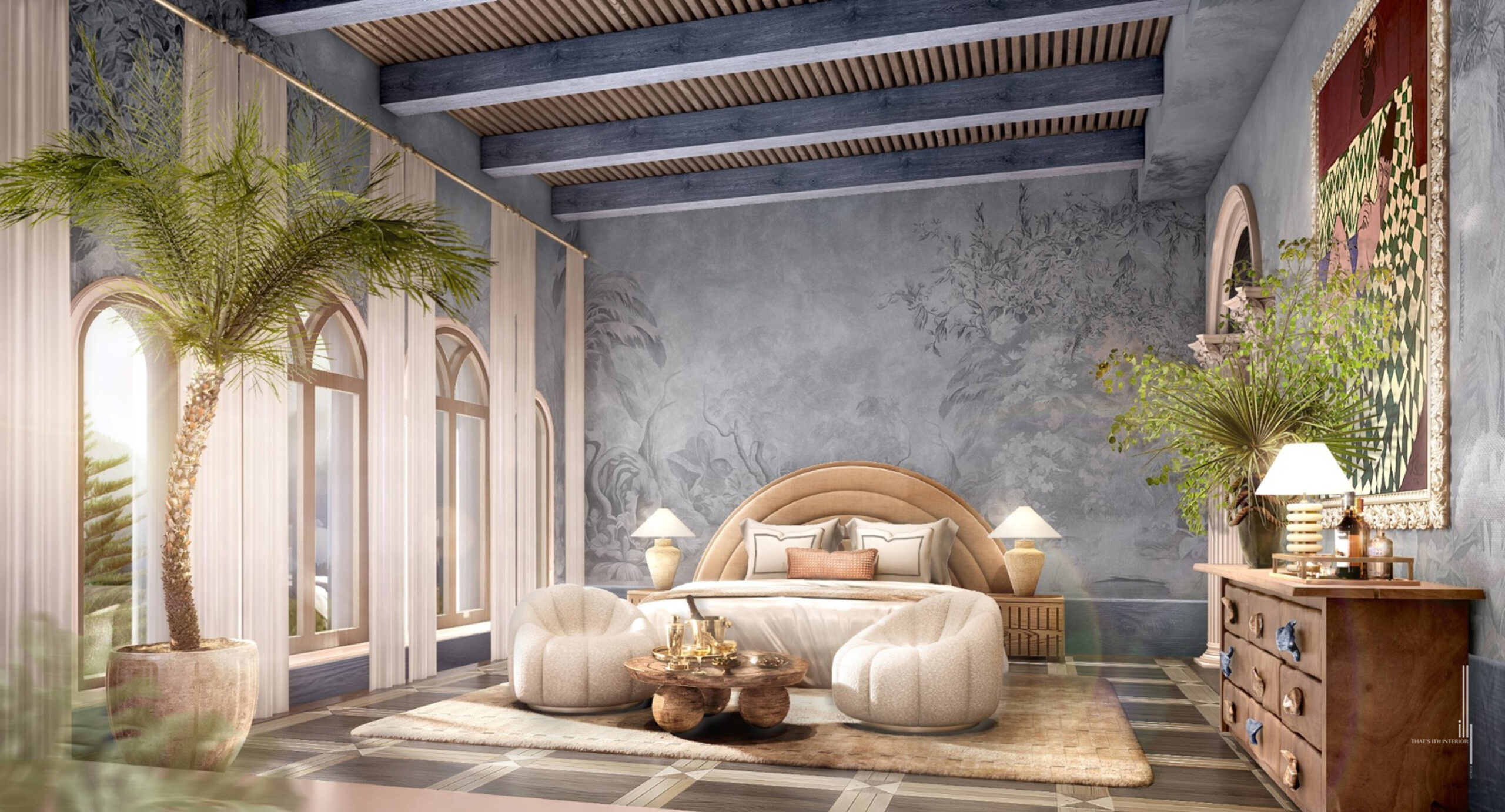
3. Luxury Homes Are Becoming More Adaptive to Real Life
The Family Brief Is No Longer Static
One of the biggest mistakes in residential design is designing only for the family that exists on presentation day.
Children grow up.
Parents age.
Someone begins working from home.
Another person moves back.
A guest stays for three months instead of three nights.
Staff requirements change.
Collections grow.
Relationships with privacy change.
For long-term private residences, luxury increasingly means having enough intelligence built into the planning that the house can absorb some of those changes without immediately requiring major renovation.
This is particularly important in family homes intended to be occupied for decades.
The goal is not predicting every possible future.
That is impossible.
It is designing enough capacity for change into the house that life is allowed to surprise it.
Multi-Generational Living Requires More Than Extra Bedrooms
Homes shared across generations introduce a design problem that square metres alone cannot solve.
Families want connection.
They also want independence.
Parents may want proximity to children without becoming part of every activity.
Adult children may live under the same roof but maintain entirely different schedules.
Grandparents may eventually require greater accessibility.
Domestic staff and service patterns add another layer.
The response is therefore not simply “add another bedroom.”
Planning may need to address separate living areas, acoustic privacy, circulation, entrances, lift access, bathrooms, storage, shared dining, and the distance between spaces.
The interesting tension is this:
How can a home keep a family together without forcing them to be together all the time?
That is a much richer design problem than choosing a style.
Flexible Rooms Are Replacing Over-Specified Rooms
The old residential brief often gave every room one label.
Dining room.
Study.
Guest room.
Media room.
Family room.
Life is usually less obedient than the floor plan.
A guest room might be used only ten nights a year.
A home office may need to disappear when work finishes.
A second living area might become children’s space now and something entirely different ten years later.
Flexible design does not mean every room should become a generic multipurpose box.
Quite the opposite.
Good flexibility requires careful planning of storage, furniture, lighting, power, acoustics, doors, and proportions so that more than one use feels convincing.
The goal is not a room that can technically do everything.
It is a room that can change identity without feeling compromised in either version.
Technology Is Becoming Invisible Infrastructure
Luxury residential technology is also becoming quieter.
Lighting control.
Climate.
Automated shading.
Security.
AV.
Energy management.
Home networks.
These systems are increasingly expected to work together without making the house feel like a demonstration room for technology.
The paradox is simple:
The smarter the home becomes, the less the homeowner should have to think about operating it.
A beautifully designed room immediately loses some of its intelligence if someone needs several minutes to work out how to turn down the lights.
Good technology should support behaviour rather than create another task.
And because homes last much longer than most digital devices, systems should also be planned with maintenance, upgrades, and future compatibility in mind.
Technology belongs behind the experience.
Not in front of it.
How Luxury Home Interior Design Trends Translate Differently in Thailand
Global trends are useful.
But they should never be imported without translation.
Thailand’s climate, family structures, lifestyle, domestic service patterns, craft ecosystem, condominium typologies, and relationship between indoor and outdoor life create their own design conditions.
A concept developed for a temperate European climate may make little sense in Bangkok.
An open-plan home might need another layer of thinking when air-conditioning zones, kitchens, cooking habits, or multi-generational privacy enter the brief.
Indoor-outdoor living has genuine possibilities here, but shade, rain, insects, maintenance, and heat need to be designed rather than romanticised.
Thailand also provides access to sophisticated bespoke manufacturing and craft.
That can make highly specific furniture, joinery, stonework, metalwork, and textiles realistic possibilities rather than merely luxury add-ons.
The designer’s job is not to import global luxury into Thailand. It is to understand which global ideas become more meaningful when translated through Thai life.
Renovation vs. New Build: The Same Trend Can Require a Different Strategy
New houses offer the opportunity to address orientation, structure, circulation, daylight, outdoor relationships, and building systems from the beginning.
Renovations start with something different:
constraints.
Existing structure.
Ceiling heights.
Services.
Windows.
Neighbours.
Building rules.
Sometimes sentimental elements worth preserving.
That does not necessarily make renovation less interesting.
Constraints can reveal the identity of a project.
A renovation may not be able to rotate the house toward a better view, but it might transform how light moves through existing rooms.
It may not allow a new courtyard, but materiality, joinery, acoustics, storage, lighting, and spatial editing can still fundamentally change how the home feels.
The goal is not to force the same trend into both project types. It is to understand what each existing condition makes possible.
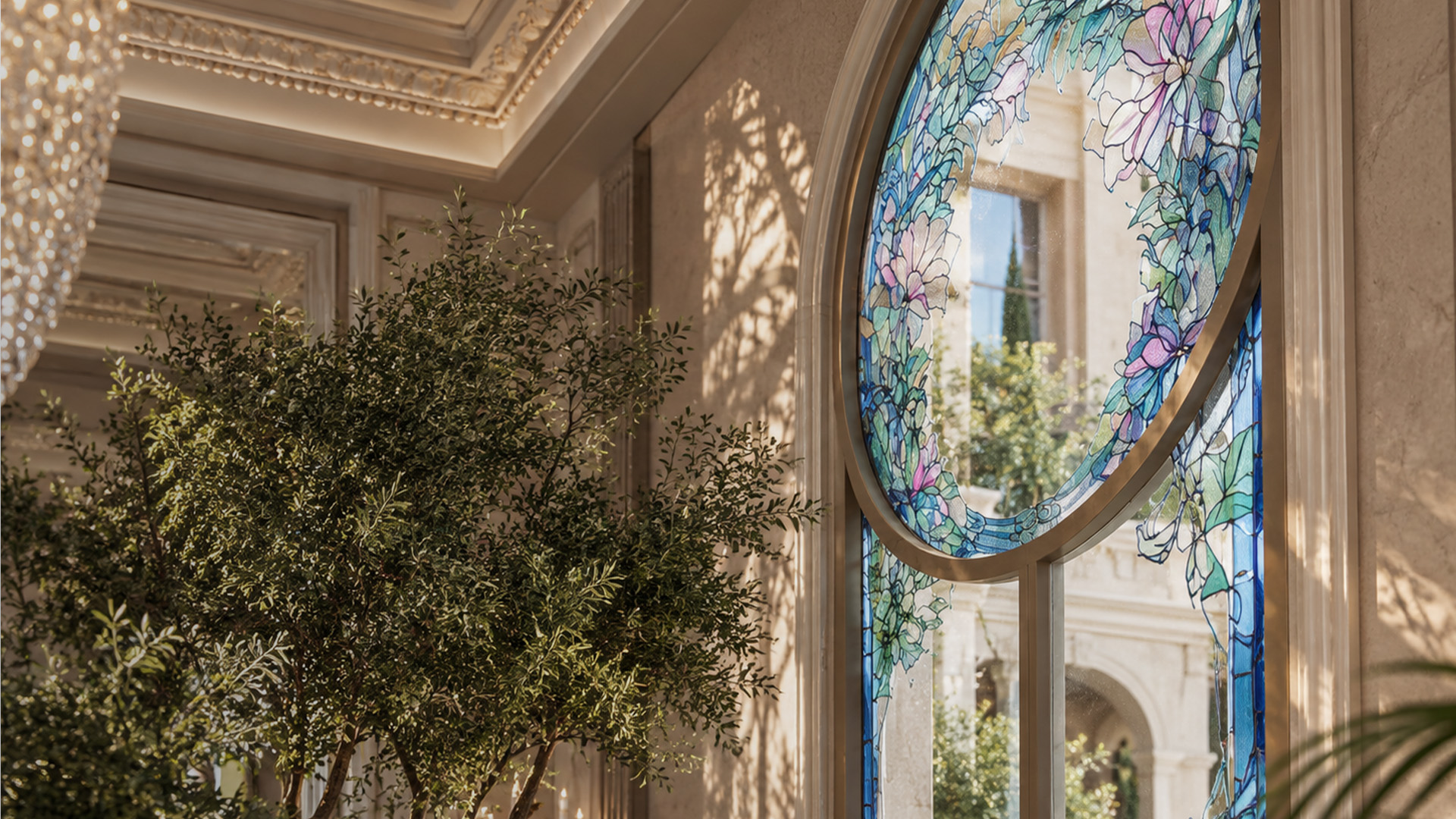
A Framework for Testing Any Luxury Home Design Trend
Before introducing any trend into a private residence, ask five questions:
- Does it reflect how this family really lives?
Or are we designing around an imagined version of them? - Does it improve life after the photograph is taken?
Beauty matters, but daily use lasts much longer. - Can it adapt as the family changes?
A home should not become obsolete simply because life moved forward. - Can it age and be maintained intelligently?
Materials, technology, and bespoke details all need a life beyond opening day. - Can we explain why it belongs here?
Every important decision deserves a better answer than “because it is trending.”
That’s ITH’s Perspective on Luxury Home Interior Design
At That’s ITH Interior, we believe designing a private home is fundamentally different from designing an image of somebody’s taste.
A family is more complicated than that.
People contradict themselves.
Someone may love entertaining but hate having strangers near the private part of the house.
Someone may ask for minimalism and own two hundred objects they cannot bear to throw away.
A couple may share a life without sharing the same idea of comfort.
Children become adults.
Parents become older.
Habits change.
A home has to make room for those contradictions rather than erase them for the sake of a cleaner concept.
That is why we do not begin by asking what style a luxury residence should have.
We begin with the people.
How they wake up.
How they gather.
Where they disappear to when they want to be alone.
What they keep.
What they show.
What they never show.
And what they may need from the house years from now.
From there, identity emerges.
That is what Fearless Luxury means to us in residential design: not visual excess, but the confidence to create a home around a family’s actual life rather than an imported idea of what luxury is supposed to look like.
One That’s ITH residence may therefore look entirely different from another.
The consistency is not in the aesthetic.
It is in the judgment.
Explore That’s ITH luxury residential and private home projects.
Planning a Luxury Home Renovation or New Build?
The most valuable residential design conversations happen before the visual direction has already been decided.
Led by founder and designer ITH Palach, That’s ITH Interior is a Bangkok-based interior design studio working across private residences, hospitality, and commercial projects in Thailand and international markets.
We work with homeowners, families, architects, and multidisciplinary project teams to translate lifestyle, identity, architecture, and long-term needs into homes designed around the people who actually live in them.
Contact That’s ITH Interior to discuss your next private home, luxury residence, or renovation project.
Frequently Asked Questions
What are the biggest luxury home interior design trends in 2026?
Three broader shifts are shaping luxury residential design in 2026: homes designed more intentionally around wellbeing and emotional comfort; greater value placed on bespoke craft, material character, and personal identity; and more adaptable planning that can respond to changing family life, technology, and long-term use.
What does luxury home interior design mean today?
Luxury home interior design increasingly goes beyond expensive finishes or recognisable brands.
The strongest private homes combine craftsmanship, comfort, highly personal planning, thoughtful technology, material quality, and spaces designed around the specific habits and needs of the people who live there.
Should I follow current interior design trends when renovating my home?
Understand trends, but do not copy them literally.
The lasting human need behind a trend — such as better sleep, greater privacy, flexibility, or connection to nature — is usually more valuable than the visual language currently associated with it.
Is quiet luxury still a major home design trend?
Understated materials and calmer environments remain relevant, but luxury residential design is not moving toward one universal quiet aesthetic.
Many homes are also becoming more expressive and personal. The more meaningful direction is designing different emotional conditions for different rooms rather than applying one mood throughout the entire house.
Why is bespoke design important in a luxury home?
Bespoke design can respond to specific habits, collections, dimensions, memories, or functions that catalogue furniture cannot address.
Its value comes from precision and personal relevance rather than simply from being custom-made or expensive.
How is technology changing luxury home interior design?
Technology is becoming more integrated and less visually dominant.
Lighting, climate, shading, security, and entertainment systems increasingly work as background infrastructure, with the goal of making daily life more intuitive rather than making the technology itself a visual feature.
How should a luxury home be designed for a changing family?
Long-term residential planning can consider adaptable rooms, privacy between generations, accessibility, storage, circulation, acoustic separation, flexible furniture, and infrastructure capable of supporting future technology or changing lifestyles.
The goal is not to predict every future event, but to avoid designing a house so rigidly that normal life changes immediately make it obsolete.
What should I look for in a luxury home interior designer in Thailand?
Look for a designer who goes beyond visual style and understands lifestyle, planning, materials, craftsmanship, technical execution, climate, maintenance, privacy, and long-term family needs.
Most importantly, the designer should be able to explain why the home belongs specifically to the people who will live in it — rather than reproducing a familiar image of luxury.