
Interior Designer Bangkok: How to Choose the Right One for Your Home
Choosing an Interior Designer in Bangkok is not simply a matter of finding a portfolio you admire.
It is a decision about who will help shape the way you live.
A beautifully photographed room may capture your attention. Exceptional furniture may suggest refinement. But neither tells you whether a designer truly understands the people who will inhabit the space.
That distinction becomes particularly important in luxury residential interior design.
A private house in Bangkok, a family villa, and a penthouse overlooking the city may all be considered luxury residences. Yet each requires a different response.
The right interior designer should not begin by showing you what your home could look like. They should first understand what your life requires the home to become.
For homeowners considering a new residence or renovation, these are the questions that matter when choosing the right design studio.
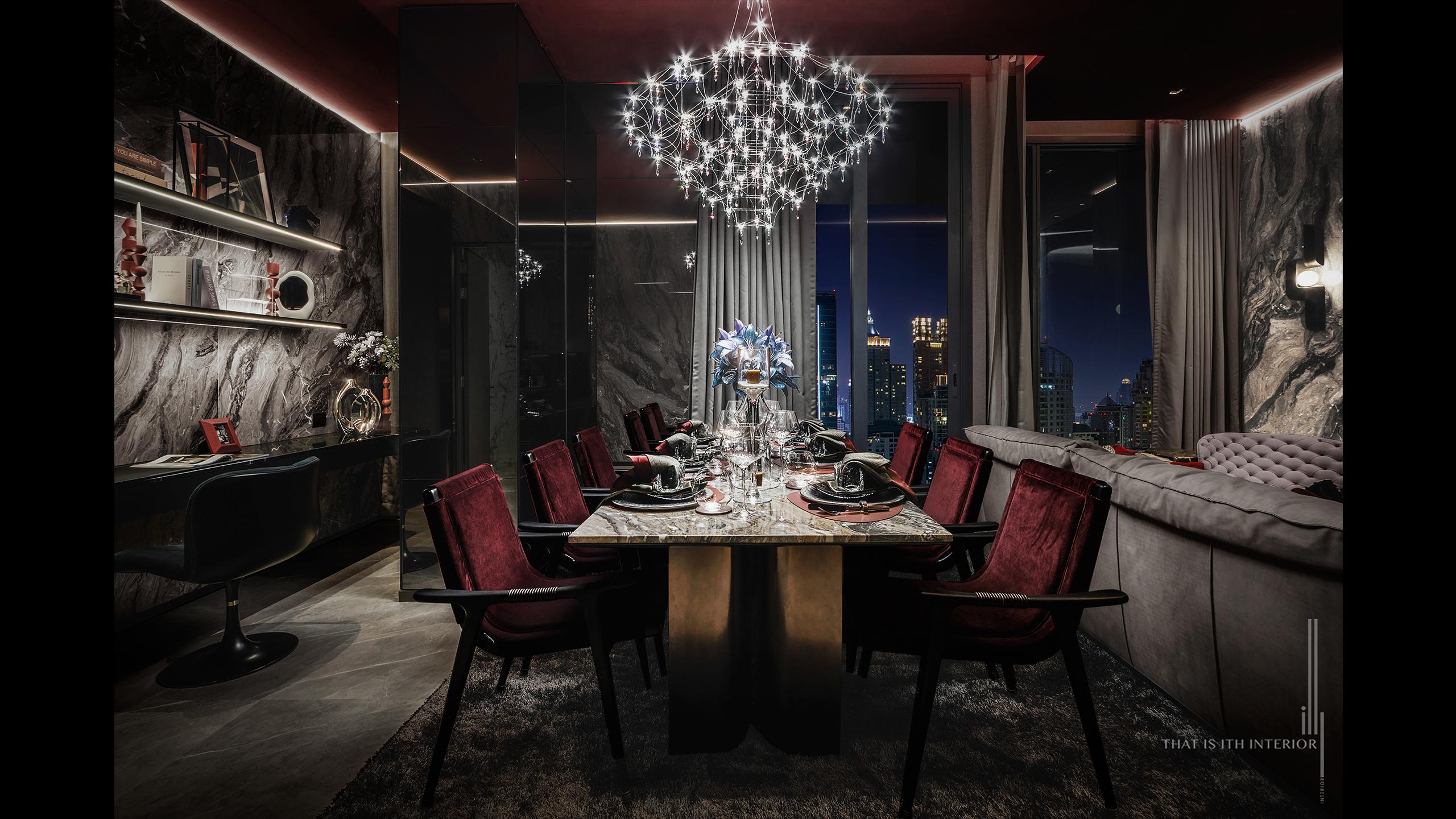
1. Look Beyond a Beautiful Interior Design Portfolio
A portfolio is usually the first introduction to an interior design studio.
It can reveal an understanding of materials, proportion, lighting, furniture, craftsmanship, and atmosphere.
But beautiful photographs should lead to better questions.
Why was the space designed this way?
What was the designer trying to solve?
How did the design respond to the people living there?
And why do different projects from the same studio look different?
When reviewing a residential interior design portfolio, do not look only for projects that resemble the aesthetic you already like.
Look for evidence that the designer can respond to different lifestyles, architecture, locations, and personal requirements.
A contemporary penthouse may require restraint, intimacy, and a careful relationship with the city view.
A private villa might be shaped more strongly by landscape, privacy, shade, and family life.
Neither should automatically resemble the other.
Also look closely at built work, not renderings alone.
A rendering shows what a studio can imagine.
A completed project reveals whether that idea survived materials, fabrication, technical coordination, construction, and real use.
The strongest portfolio does not simply demonstrate a recognisable style. It demonstrates a recognisable standard of judgment.
For a private client, that distinction matters.
You are not commissioning a copy of somebody else’s home.
2. Choose a Designer Who Understands How You Actually Live
Luxury home interior design begins long before selecting furniture or materials.
It begins with questions about everyday life.
How does the family spend time together?
Where is privacy essential?
How often do you entertain?
Do you work from home?
What do you collect?
Which objects carry personal meaning?
And how might the household change over the next ten years?
These questions may appear simple.
Their answers can influence almost every meaningful design decision.
A family that regularly entertains may need generous communal spaces without compromising the privacy of bedrooms and personal areas.
An art collector needs more than attractive display walls. Lighting, circulation, scale, proportion, and the relationship between art and architecture become part of the design.
A multigenerational household may need independence and connection at the same time.
And sometimes the most revealing parts of a brief are the contradictions.
You may want an open house but also value privacy.
You may love minimalism but own objects carrying decades of memory.
You may entertain frequently yet want the home to feel deeply personal when nobody else is there.
Those are not problems to remove from the brief.
They are often where the identity of the home begins.
A strong residential designer should not merely accommodate a list of preferences.
They should understand the relationships between them.
3. Understand the Difference Between House, Villa and Penthouse Interior Design
Not all residential projects present the same challenges.
The type of residence should change the design response.
House Interior Design in Bangkok
Private house interior design often requires careful consideration of family routines, circulation, privacy, storage, entertaining, and long-term flexibility.
Bangkok houses may also need to respond to natural light, heat, neighbouring properties, air-conditioning zones, landscape, and the relationship between indoor and outdoor areas.
Good house design should respond to these realities rather than simply reproduce an attractive visual reference.
Luxury Villa Interior Design
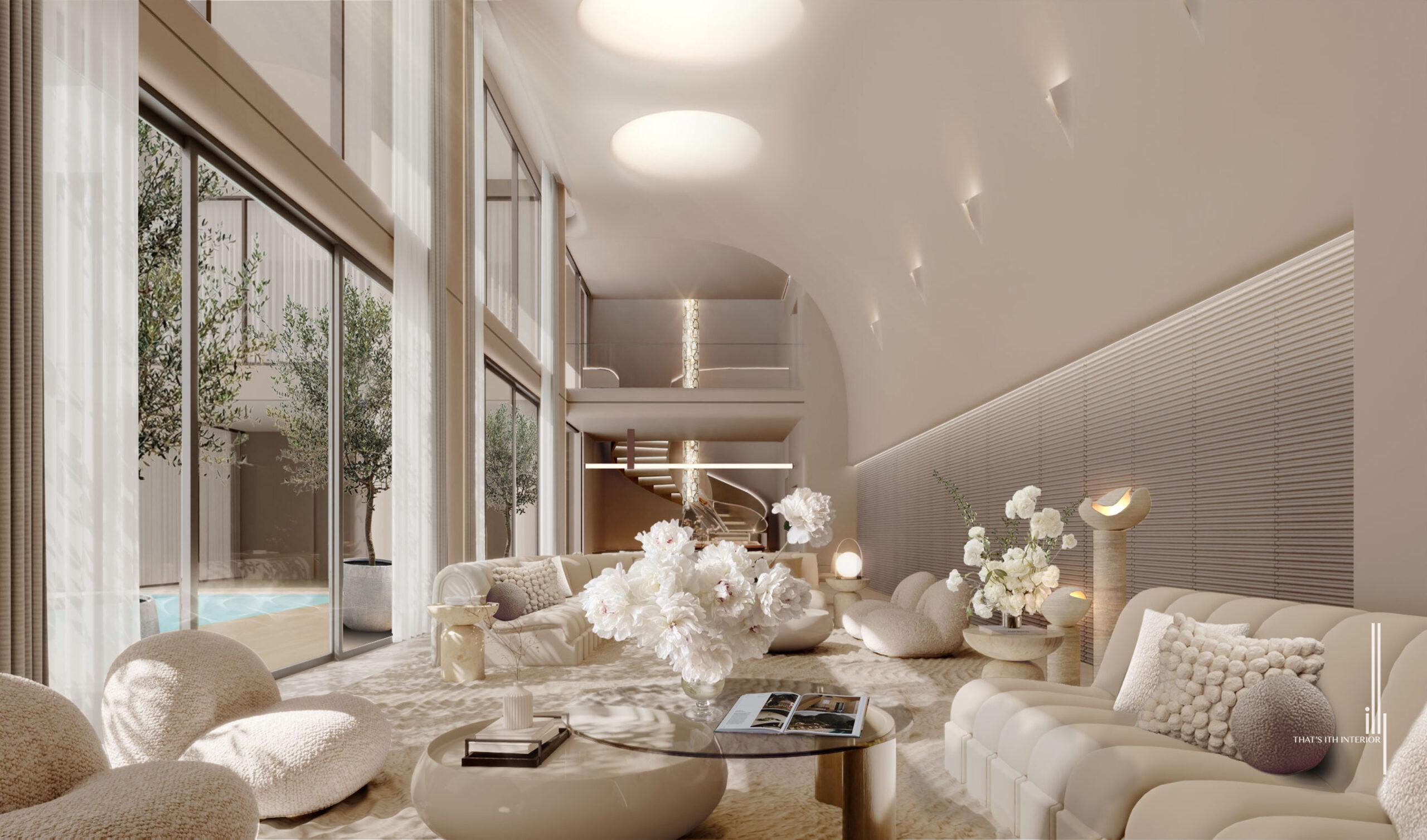
Luxury villas often create a stronger relationship between architecture, landscape, interior space, pool areas, and outdoor living.
But openness alone does not create luxury.
Tropical heat, humidity, rain, maintenance, shading, and privacy all matter.
A successful villa should feel connected to its surroundings while remaining comfortable and specific to the people who live there.
More space does not automatically create a better home. That space still needs a reason to belong together.
Penthouse Interior Design in Bangkok
A penthouse presents another set of priorities.
Views.
Proportion.
Vertical scale.
Building services.
Structural conditions.
Condominium regulations.
The architectural shell may already be highly defined.
The view may be extraordinary.
But the challenge is still to create a genuine home.
Sometimes the designer should celebrate the city.
Sometimes the most important room is the one where the owner can forget how high above it they are.
The view can make a penthouse exceptional. The interior still has to make it personal.
A designer experienced across different residential typologies should know which principles remain consistent — and which decisions should change completely.
4. Evaluate Technical Knowledge, Not Just Creative Vision
An interior design concept is only the beginning.
Eventually, the idea has to become real.
Materials need to meet.
Joinery has to work.
Lighting needs to coordinate with ceilings and services.
Furniture must fit real bodies and real circulation.
Details need to be communicated clearly enough for fabricators and contractors to build them.
For a luxury house renovation or new residence, an interior designer should understand the relationship between creative ambition and practical execution.
This can involve space planning, lighting, material performance, bespoke joinery, furniture specifications, and coordination with architects, engineers, contractors, and specialist suppliers.
Some of the most important decisions may never appear in the finished photographs.
The height of a countertop.
The acoustics of a bedroom.
Where a light switch sits.
How a door opens.
Where concealed storage is positioned.
Whether a material can be maintained or replaced years later.
The things nobody photographs are often the things you will live with every day.
That is why technical capability should matter as much as visual imagination.
A strong idea creates excitement.
Strong execution creates trust.
5. Understand What Bespoke Should Really Mean
Luxury is often associated with rare materials, recognised furniture brands, and expensive finishes.
But the most memorable residential interiors are not necessarily those containing the greatest number of prestigious things.
They are the ones that feel specific to their owners.
Bespoke residential interior design creates opportunities to respond to needs that standard products cannot resolve as precisely.
A dining table can be developed around how a family gathers.
A cabinet might respond to a specific collection.
A reading corner can be positioned around the light at a particular time of day.
A piece of furniture may carry a personal story that means very little to anyone outside the household.
The value of bespoke design is not simply that something has been custom-made.
It is that the decision has a reason to exist.
Equally important is knowing what does not need to be bespoke.
An existing chair may already be perfect.
A vintage piece may add history.
A family heirloom may deserve more attention than anything newly designed.
When selecting a luxury residential interior designer, ask how they decide which elements should be created specifically for you and which are better selected from what already exists.
The designer’s judgment lies in recognising what deserves to exist only once.
6. Look for a Clear Process — and a Designer Willing to Challenge You
The relationship between homeowner and interior designer can last many months, sometimes years.
It involves creative decisions, financial commitments, technical coordination, changes, site issues, and inevitable moments of uncertainty.
A strong design partnership therefore requires more than shared taste.
Before appointing an interior design firm in Bangkok, understand the process.
Who will lead the design?
Who will actually work on your project?
How is the initial brief developed?
Which stages are included in the scope?
How are materials, furniture, and specifications reviewed?
How does the studio coordinate with architects and contractors?
What happens when budget or site conditions require something to change?
The answers should provide confidence in the process, not simply excitement about the final image.
And pay attention to whether the designer is prepared to disagree with you.
The right designer should listen carefully.
But listening does not mean agreeing with every idea.
Sometimes the most valuable professional advice is:
“I understand why you want this. But I think there may be a better answer.”
A good designer should be able to explain why — whether the issue is proportion, privacy, comfort, material, function, longevity, or the coherence of the whole home.
You are not hiring a designer simply to validate decisions you could already make yourself. You are hiring judgment.
That judgment should always serve the project, not the designer’s ego.
7. Choose a Studio With a Perspective, Not a Formula
Every interior design studio should have a point of view.
But a point of view is different from a formula.
A formula says:
“This is what our projects look like.”
A perspective says:
“This is how we think.”
For a private residence, the difference is significant.
A Bangkok penthouse should not automatically resemble a private house in Nonthaburi.
A family villa should not look like a boutique hotel simply because both occupy the luxury market.
One client should not inherit another client’s material palette.
The designer’s responsibility is to understand what makes each project specific.
That requires curiosity.
Listening.
Creative confidence.
And the ability to edit.
Because high-end design is not only about what can be added.
It is also about knowing what can be removed.
One exceptional artwork may need a quiet wall.
An extraordinary view may make another dramatic feature unnecessary.
A meaningful object may deserve more attention than another expensive purchase.
Luxury is not the freedom to have everything. It is the confidence to decide what deserves to remain.
Ultimately, the designer’s identity should sharpen yours — not replace it.
What Should Working With the Right Interior Designer Feel Like?
At the beginning of a residential project, clients often arrive with many pieces of information.
Images.
Preferences.
Furniture references.
Materials.
Ideas from different family members.
And sometimes contradictory ambitions.
The designer’s role is not to multiply those choices.
It is to create clarity.
The brief becomes sharper.
Priorities become visible.
Some ideas disappear.
Others become stronger.
The design gradually stops feeling like a collection of decisions and begins to feel coherent.
The best design relationship does not simply give the client more choices. It gives better reasons for making them.
That is when a home begins to feel inevitable rather than assembled.
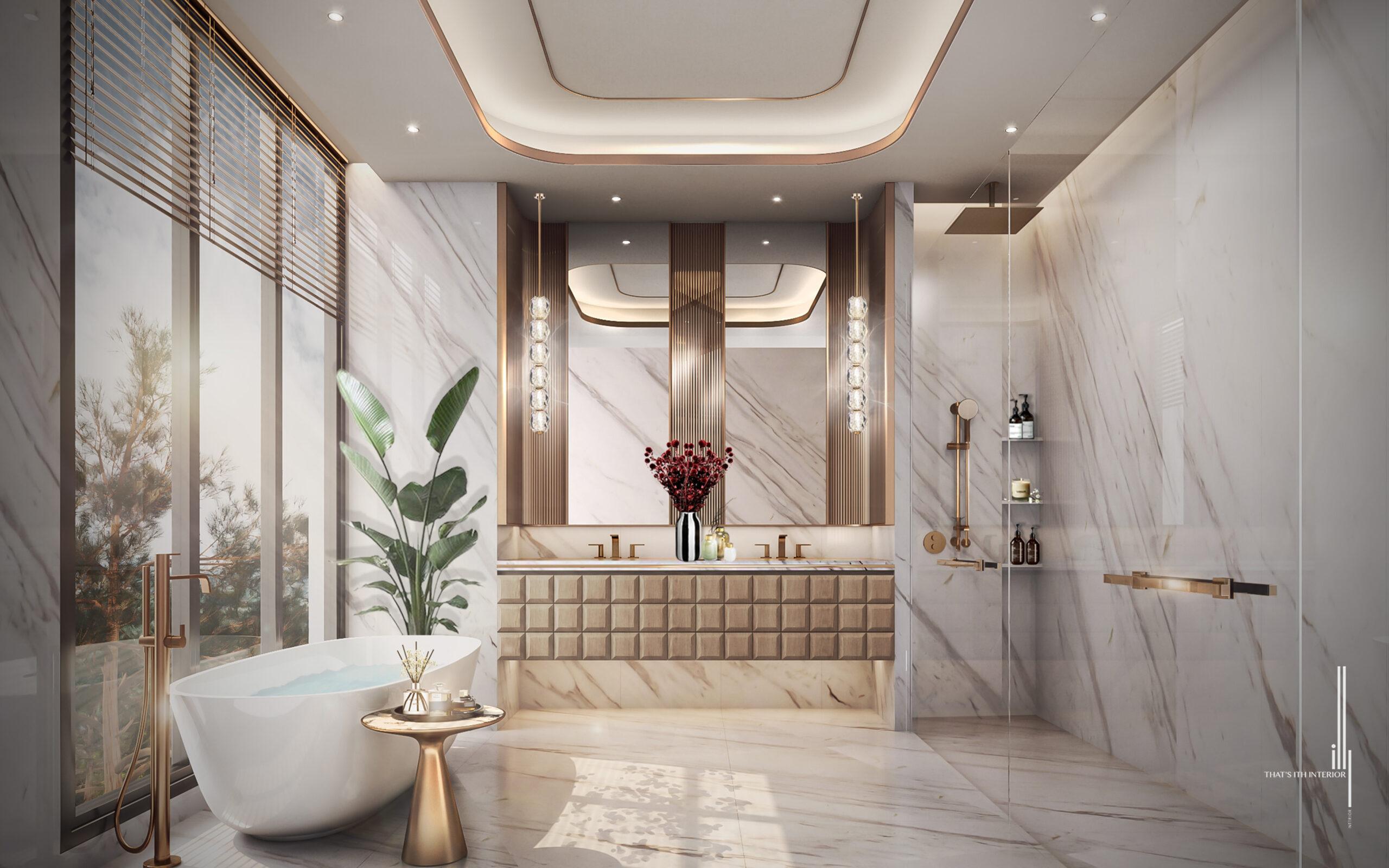
THAT’S ITH: Designing the Home Around the Person, Not the Signature
At THAT’S ITH INTERIOR, we do not begin a residence by asking which of our previous projects you would like your home to resemble.
We begin with you.
How you live.
What you value.
What you show.
What you keep private.
What you collect.
How you entertain.
How you retreat.
What you refuse to give up.
And what feels luxurious to you — even if nobody else would recognise it as luxury.
We are particularly interested in contradictions because they often reveal more than preferences.
Someone may love entertaining while valuing absolute privacy.
A couple may share a home without sharing the same definition of comfort.
A family may want a contemporary interior while keeping objects carrying generations of memory.
Those contradictions are not inconveniences to design around.
They are often where the most personal design ideas begin.
Led by ITH PALACH, THAT’S ITH approaches residential interior design through an understanding of people, place, architecture, material, behaviour, and the experiences that unfold between them.
Our residential portfolio includes projects such as SJ Home – Nonthaburi, The Reserve Villas – Sukhumvit 89/1, and Hyde Penthouse.
Different residences.
Different lives.
Different answers.
That is intentional.
We do not believe a homeowner should have to choose between a strong designer and a personal home.
The designer should bring authorship.
But the finished residence should reveal the owner.
For us, Fearless Luxury is not about creating the most extravagant interior.
It is the confidence to make decisions specific enough that they would not have been equally right for somebody else.
The consistency is not in the aesthetic. It is in the judgment.
And perhaps the greatest compliment is not:
“This looks like THAT’S ITH.”
It is:
“This could only be their home.”
Planning a Luxury Home, Private Villa or Penthouse in Bangkok?
Choosing the right interior designer is one of the earliest and most important decisions in creating a home.
Whether you are planning a new private residence, renovating an existing house, developing a luxury villa, or transforming a Bangkok penthouse, the strongest design conversations usually begin before major architectural, spatial, lighting, material, and furniture decisions have already been fixed.
THAT’S ITH works with private clients and multidisciplinary project teams to translate the way people live into interiors that are personal, considered, technically resolved, and specific to the people who will inhabit them.
Contact THAT’S ITH INTERIOR to discuss your next residential interior design project.
You do not need to arrive with the perfect brief.
Part of our job is helping you discover it.
Frequently Asked Questions
How do I choose the right interior designer in Bangkok?
Look beyond whether you like the portfolio. Review relevant completed projects, understand the studio’s philosophy and technical capability, ask who will lead the project, and learn how the designer translates the client’s lifestyle into spatial decisions.
The strongest fit usually combines creative trust, relevant experience, clear communication, technical capability, and confidence in the designer’s judgment.
What should I look for in a luxury home interior designer?
Look for an understanding of space planning, materials, craftsmanship, lighting, bespoke design, furniture, privacy, comfort, technical coordination, and long-term use.
Just as importantly, consider whether the designer can produce a home specific to you rather than repeatedly applying one recognisable house style.
Should I choose an interior designer based on style?
Style can help determine whether you respond emotionally to a studio’s work, but it should not be the only criterion.
A strong residential designer can have a recognisable way of thinking while creating different visual responses for different people, sites, and ways of living.
Is designing a luxury villa different from designing a house?
Yes.
Luxury villas often involve stronger relationships between interiors, architecture, landscape, pool areas, outdoor living, climate, shade, privacy, and maintenance.
Private urban houses may face different issues involving neighbouring properties, density, circulation, family routines, and long-term adaptability.
What makes penthouse interior design different?
Penthouse projects can involve exceptional views, larger volumes, building services, structural constraints, condominium regulations, and highly specific architectural conditions.
Successful penthouse design balances those opportunities with comfort, intimacy, privacy, and the owner’s actual lifestyle.
When should I hire an interior designer for a new house?
Ideally before major architectural and spatial decisions become difficult to change.
Early collaboration can help interior planning, lighting, materials, built-in furniture, services, and architecture develop together more coherently.
Should everything in a luxury home be bespoke?
No.
Bespoke design is most valuable when it responds to a specific owner, function, architectural condition, collection, or experience more precisely than an existing solution.
Good design also requires knowing when an existing piece is already the right answer.
Can an interior designer challenge the client’s ideas?
Yes.
A strong designer should listen carefully but also be willing to question an idea when another solution may serve the home better.
The objective is not to override the client’s preferences, but to bring professional judgment to decisions involving space, function, proportion, comfort, materials, longevity, and overall coherence.
What makes a home truly personal?
A beautiful home can be admired by almost anyone.
A personal home contains decisions whose full meaning belongs to the people living there.
Beauty attracts attention. Specificity creates belonging.
What should I ask before hiring an interior design studio in Bangkok?
Ask about relevant built work, process, project leadership, technical scope, bespoke design, FF&E, coordination with architects and contractors, construction-stage involvement, and how the studio handles changes or disagreement.
And consider one final question:
“If you designed this home for somebody else, what would have to change?”
The answer may reveal more about the designer than asking what their signature style is.
Related Articles
- Luxury Residential Interior Designer: What to Expect
- High-End Interior Designer Thailand: What Defines the Right Expert for Luxury Projects?
- Best Interior Design Firms in Bangkok for Luxury Residential Projects
- Luxury Home Interior Design in Thailand: What Makes It Different
- What Makes an Award-Winning Interior Designer?