
The Story Behind THAT’S ITH: Fearless Luxury, Human Experience and Design Without a Formula
Every space has a story.
Some stories begin with architecture.
Others with people.
Memory.
Culture.
Behaviour.
A view.
A contradiction.
Or something deeply personal that may never appear in a conventional design brief.
But the most meaningful interiors rarely begin with a predetermined style.
They begin with curiosity.
Since its establishment in Bangkok in 2013, THAT’S ITH INTERIOR has built its practice around a simple belief:
We do not begin with a signature style. We begin with identity.
A hotel should understand its destination.
A restaurant should have a reason to exist beyond serving food.
A workplace should reveal something true about the organisation inside it.
A private home should reflect the lives of its occupants more clearly than it reflects the designer.
Different people.
Different places.
Different purposes.
Different answers.
This is the foundation of Fearless Luxury.
Not luxury as a fixed appearance.
Not luxury as excess.
But luxury as the confidence to make decisions specific enough that the finished space could not have belonged quite as naturally anywhere else.
How THAT’S ITH Began
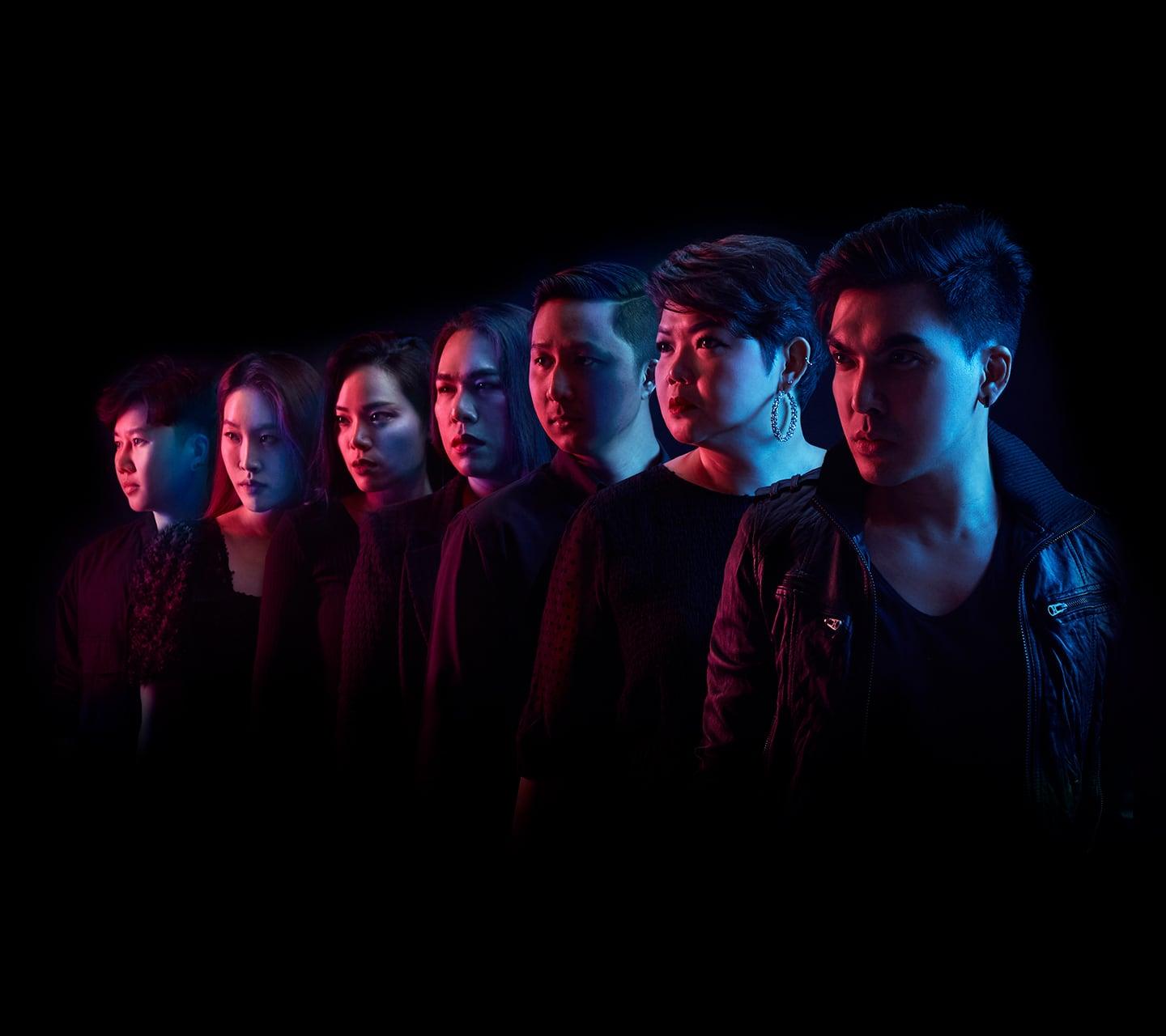
THAT’S ITH INTERIOR was founded in Bangkok in 2013 by ITH PALACH, whose design career spans more than 25 years.
From the beginning, the studio was never intended to be defined by one aesthetic.
The idea was broader:
Design should begin with understanding what makes a project different before deciding what it should look like.
That distinction matters.
Luxury interiors are often discussed through visible ingredients.
Rare stone.
Recognised furniture.
Craftsmanship.
Statement lighting.
Bespoke objects.
These things can all be valuable.
But none of them answers the most important question:
Why does this belong here?
A material may be extraordinary and still be wrong for the project.
A beautifully designed object can become meaningless when there is no reason for it to exist.
A fashionable interior may attract attention yet feel interchangeable with dozens of others.
For THAT’S ITH, design becomes more interesting when every decision begins to connect back to:
people,
place,
architecture,
behaviour,
memory,
culture,
and purpose.
The visual result can then change dramatically from project to project.
The consistency is not in the aesthetic. It is in the judgment.
Fearless Luxury: A Different Definition of Luxury
Luxury has traditionally been connected to rarity.
Rare materials.
Limited objects.
Exclusive brands.
Things that are difficult to acquire.
But access has changed.
Almost anything can now be sourced internationally.
References travel instantly.
Images can be reproduced.
Technology can generate endless variations of beautiful spaces.
This raises a different question:
If almost anything can be bought, what remains truly rare?
For THAT’S ITH, one answer is specificity.
A material can be sourced.
An object can be collected.
A reference can be reproduced.
But a life cannot.
The experiences, memories, contradictions, habits, aspirations, and relationships belonging to one person or one place cannot be copied in quite the same way.
That is where Fearless Luxury begins.
Sometimes fearless means being expressive.
A dramatic volume.
An unexpected material.
A saturated colour.
A theatrical sequence.
Sometimes it means restraint.
Leaving something empty.
Allowing the landscape to dominate.
Giving one meaningful object enough space to matter.
Removing another layer of decoration.
Fearless does not always mean louder.
It means having enough conviction to do what the project needs — rather than what luxury is expected to look like.
Fearless. Emotion. Refined.
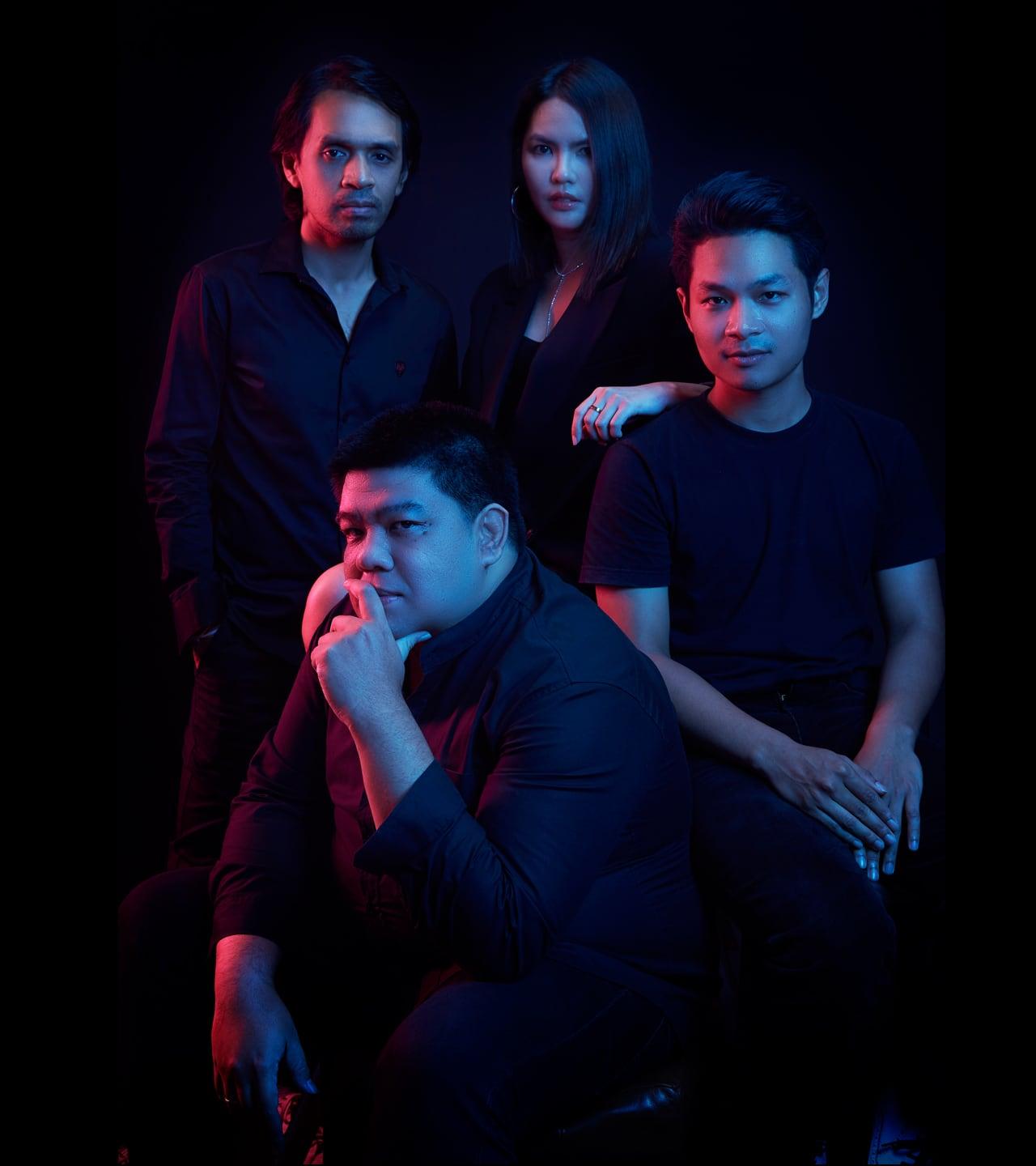
Three ideas increasingly define the creative territory of THAT’S ITH:
Fearless. Emotion. Refined.
Fearless is the willingness to question the expected answer.
Emotion recognises that people rarely remember interiors as plans or compositions. They remember what happened there and how the place made them feel.
Refined is the discipline to edit.
Because bold design without control becomes noise.
And refinement without personality can become forgettable.
The strongest projects often live somewhere between those extremes.
Expressive but deliberate.
Emotional but precise.
Distinctive without becoming excessive.
Everything cannot be the protagonist.
Some moments deserve attention.
Others need to disappear so those moments can become stronger.
Knowing the difference is part of design.
The Human Being Is the Protagonist
The room matters.
But ultimately, the room is not the protagonist.
The human being is.
This idea has become increasingly central to ITH PALACH’s design thinking and was also recognised in his Home Journal Top 50 SEA 2026 profile, which framed his approach around precisely this human-first perspective.
A room exists because something is meant to happen inside it.
Someone wakes there.
Someone celebrates.
Someone argues.
Someone works.
Someone hosts twenty friends.
Someone wants to be completely alone.
Someone enters a hotel and temporarily becomes a different version of themselves.
When design begins with those behaviours, the conversation changes.
Instead of simply asking:
What should this room look like?
The designer can ask:
How should people behave here?
How should they feel?
What should be effortless?
Where should interaction happen naturally?
Where should someone be able to withdraw?
What should they remember later?
That is why THAT’S ITH increasingly approaches design from a human-first rather than design-first perspective.
The room becomes the mechanism.
Human experience becomes the purpose.
Designing Places People Remember
A visually impressive space is not necessarily a memorable one.
People rarely remember every material in a hotel lobby.
Or every piece of furniture inside a restaurant.
Memory works differently.
People remember the moment the view appeared.
The strange corridor before entering the room.
The table where something important happened.
The lighting at dinner.
A particular smell.
The silence of a bedroom.
A place where they unexpectedly felt comfortable.
This is the thinking behind Designing Places People Remember.
Memory requires more than spectacle.
It requires hierarchy.
If everything is dramatic, nothing feels dramatic anymore.
A hotel arrival may deserve theatre.
The guestroom may need calm.
A restaurant may be visually expressive while the path leading toward it creates anticipation through restraint.
A private residence may have one unforgettable room surrounded by spaces designed primarily to make everyday life feel better.
Memorable design is not about making every moment louder. It is about understanding which moments deserve to remain.
From Storytelling to Behaviour
THAT’S ITH has long described design as narrative.
But narrative does not mean decorating a space with a literal story.
Narrative can exist in movement.
Sequence.
Contrast.
Material.
Lighting.
Scale.
Sound.
Privacy.
And time.
More recently, that thinking has expanded toward human behaviour.
What makes people stay longer?
What makes them gather?
Why does one environment stimulate while another allows recovery?
Why do we behave differently when travelling?
Why can a home subtly influence sleep, focus, conversation, or wellbeing?
Design then becomes a way of understanding human experience rather than an exercise in arranging beautiful things.
This perspective has increasingly shaped ITH PALACH’s talks, lectures, and public conversations — where interior design becomes a lens for discussing wider subjects such as:
identity,
culture,
technology,
wellbeing,
personal branding,
memory,
status,
hospitality,
and human behaviour.
Design matters because people matter more.
Different Projects Should Produce Different Answers
A studio can become recognisable by repeating visual elements.
The same palette.
The same furniture.
The same atmosphere.
The same materials.
The same gestures.
THAT’S ITH takes another approach.
Consider several projects from the studio.
lyf Sukhumvit 8 Bangkok transforms collective memories of Bangkok and the tuk-tuk into a social hospitality experience built around energy and interaction.
MOON & BACK in Greenwich Village, New York draws from Thai cultural memory and the childhood of its owner, then collides those references with the independent energy of downtown New York.
ANANN Villas – Phuket responds to an entirely different problem: twelve private villas shaped by landscape, mountain, creek, microclimate, privacy, and the experience of living close to nature.
Scope Penthouse shifts dramatically between two identities — warm, blush-toned, plant-filled spaces by day and black, red, mirrored, sensual spaces after dark.
Hyde Heritage Thonglor – The Elite Collection explores luxury through another language of detail, material, and residential refinement.
These projects should not look alike.
Their clients are different.
Their behaviours are different.
Their contexts are different.
Why would the answer be the same?
The studio’s identity therefore exists less in a signature look than in the method behind the work.
Ask more specific questions.
Find the tension inside the brief.
Understand what matters.
Then make the design equally specific.
Bespoke: What Deserves to Exist Only Once?
The word bespoke appears frequently in luxury design.
But THAT’S ITH does not believe bespoke means customising everything.
Customisation without judgment can simply become another form of excess.
The more useful question is:
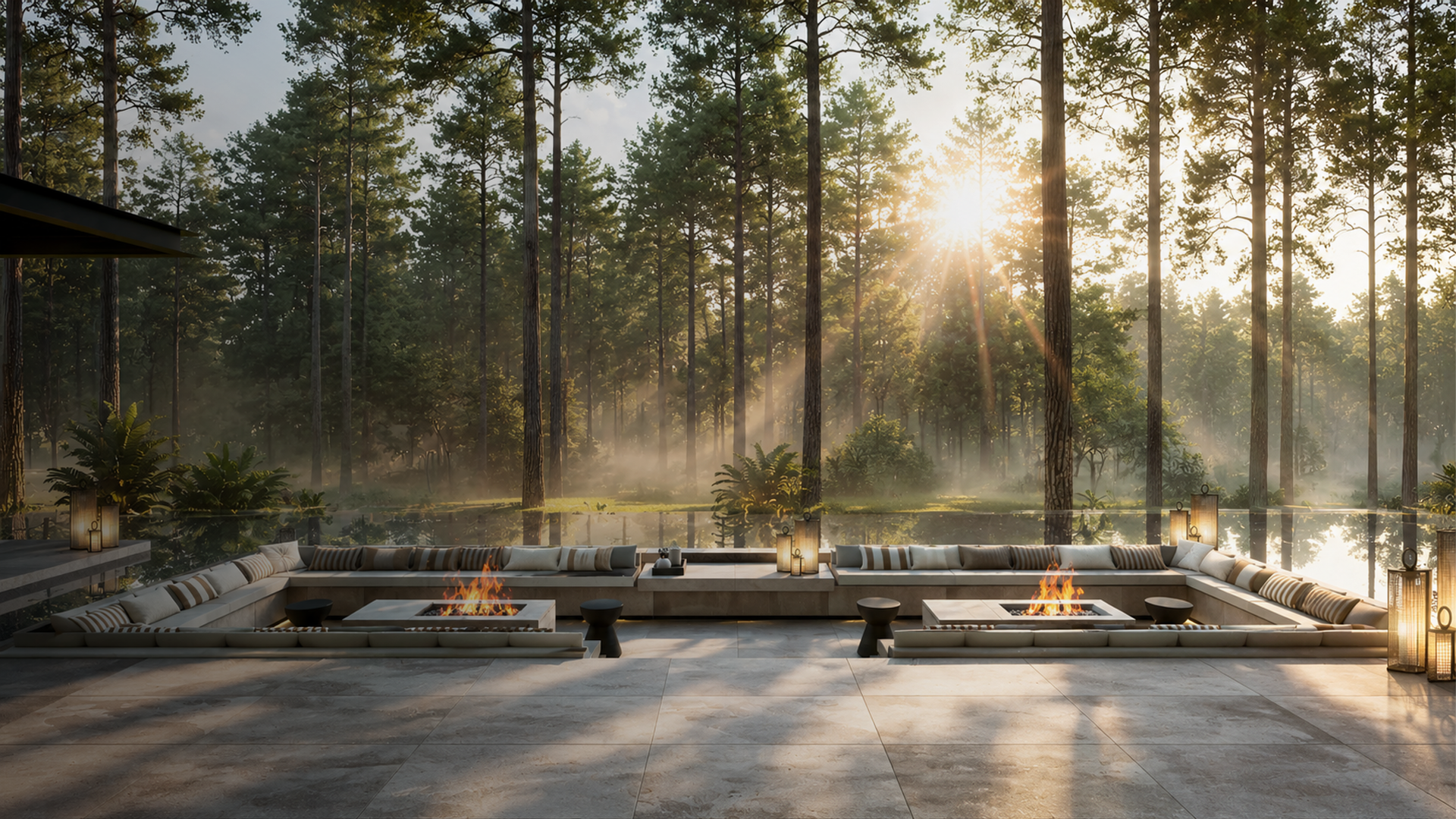
What deserves to exist only once?
Perhaps a dining table needs to respond to one family’s particular way of gathering.
A ceiling might be inseparable from one house, one volume, and one owner.
A custom object could reinterpret a memory.
A piece of joinery may be designed around a collection that cannot fit into a standard solution.
A crafted element might become the one moment guests always associate with a particular hotel.
Bespoke becomes meaningful when there is a reason standard solutions are no longer enough.
The important word is not “expensive.” It is “specific.”
And specificity does not always need to be visually dramatic.
Sometimes the most bespoke decision is a small one that makes everyday life feel unexpectedly natural.
Luxury Residential Design: A Home Should Reveal Its Owner
A private home is one of the most intimate commissions a designer can undertake.
Unlike hospitality environments, the audience does not constantly change.
The same people experience the home repeatedly.
Every morning.
Every evening.
For years.
That changes the criteria for success.
A residence can photograph beautifully and still misunderstand the people inside it.
For THAT’S ITH, the deeper brief therefore begins with questions such as:
How does the family spend time together?
Where does each person need privacy?
How often do they entertain?
What do they collect?
What do they refuse to throw away?
What feels comfortable to each person?
How might the family change?
Often, the most interesting information comes from contradiction.
Someone may love entertaining while valuing absolute privacy.
A couple may share a home without sharing the same definition of comfort.
A family may want contemporary design while keeping objects inherited through generations.
Those contradictions should not necessarily be removed.
They may be where the identity of the home begins.
The designer brings authorship.
But the completed residence should reveal the owner.
Luxury Villa Design: Place Has an Opinion
Private villas add another protagonist to the design process:
the site.
Architecture, landscape, climate, shade, privacy, wind, rain, sunlight, and surrounding views can all influence the way the interior should behave.
A Bangkok villa may require protection from neighbouring properties and urban density.
A Phuket villa might be shaped by mountain, sea, vegetation, or tropical climate.
The architecture should not simply contain an interior.
The landscape should not simply decorate it.
The strongest villas create one continuous experience between them.
Projects such as The Reserve Villas – Sukhumvit 89/1 and ANANN Villas – Phuket represent very different residential contexts within the studio’s work.
Their settings change.
So the answers change.
A villa should not merely look as though it belongs in its location. It should lose something essential if removed from it.
That is a stronger form of sense of place.
Penthouse Design: Extraordinary Space Still Needs Intimacy
A penthouse begins with obvious advantages.
Height.
Views.
Light.
Volume.
But those advantages can easily become the entire concept.
THAT’S ITH sees another challenge.
Where does the drama of the city need to stop so that home can begin?
Sometimes the skyline should become the protagonist.
Sometimes the most important room is the one that allows its owner to forget the view entirely.
Projects such as Hyde Penthouse explore the balance between architectural presence and personal life.
A large volume still requires intimacy.
An extraordinary view still needs human scale.
A dramatic residence still needs places where nothing dramatic is expected of the person living there.
That balance is where penthouse design becomes more than spectacle.
Hospitality: The Place Can Become the Trip
Hospitality asks different questions.
A city hotel may support the trip.
A destination resort can become the trip itself.
People also behave differently when travelling.
They wake early for hotel breakfast.
Wear robes they never wear at home.
Stay longer in the bath.
Sit alone beside a pool.
Talk to strangers.
Celebrate differently.
Travel temporarily releases people from familiar patterns.
That means hospitality interiors can do more than contain behaviour.
They can help produce it.
For THAT’S ITH, a hotel therefore becomes a sequence of human experiences.
Arrival.
Discovery.
Gathering.
Celebration.
Retreat.
Rest.
Memory.
The designer’s role is not simply to make those spaces attractive.
It is to understand what each moment is supposed to do.
Projects including Royal Orchid Sheraton Bangkok Ballroom, Silver Waves at Chatrium Riverside Bangkok, and lyf Sukhumvit 8 Bangkok demonstrate different hospitality responses.
A ballroom needs to understand celebration.
A restaurant needs atmosphere and operational intelligence.
A lifestyle hotel may need to create social connection.
Different hospitality types require different emotional temperatures.
The guest should experience one coherent idea — not a collection of beautiful rooms.
Workplace Design: The Office Should Earn the Commute
The role of the office is also changing.
When work can increasingly happen from somewhere else, the physical workplace needs a stronger reason for people to be there.
That reason is not simply better furniture.
The office may need to support:
focus,
collaboration,
chance encounters,
culture,
privacy,
client experience,
and belonging.
For THAT’S ITH, workplace design begins with organisational behaviour rather than conventional office imagery.
The office now has to earn the commute.
Brand should be experienced rather than simply printed onto walls.
Social spaces need a reason to exist.
Privacy should have degrees.
Technology should remove friction.
And the workplace should communicate something meaningful about the organisation without becoming corporate theatre.
This thinking has informed projects including EVE’s Enterprise Office, where openness, interaction, identity, and the different personalities of executive and exhibition environments become parts of one workplace narrative.
Wellness, Longevity and the Environment We Experience Every Day
Wellness design is also moving beyond the spa.
A person may visit a retreat twice a year.
They experience their home, workplace, or hotel room every day.
Light affects circadian rhythm.
Noise affects rest.
Temperature changes comfort.
Furniture affects the body.
Privacy influences psychological recovery.
Airflow, material tactility, and connection with nature can all become part of the experience.
For THAT’S ITH, this suggests an evolution from biophilic design toward longevity thinking.
Not simply placing plants inside a room.
Not filling spaces with wellness technology.
But asking how the environment repeatedly affects the human nervous system and daily behaviour.
The future of wellness may not be one wellness room. It may be an entire environment that quietly understands the body better.
Again, the human being remains the protagonist.
Design in the Age of AI
Artificial intelligence is changing design.
A beautiful interior image can now be generated faster than ever.
Hundreds of options can appear in minutes.
This creates an important question for the design profession:
If making beautiful images becomes easier, where does the value of the designer move?
For ITH PALACH and THAT’S ITH, the answer moves toward judgment.
Which problem should be solved?
What deserves attention?
Which option is actually right?
What belongs to this client?
What should be removed?
Which idea can survive technical reality?
What has emotional meaning — and what is merely fashionable?
AI can produce possibilities.
A designer still has to decide which possibility deserves to become real.
That changes the role.
From image-maker toward:
editor,
strategist,
storyteller,
interpreter,
and guardian of design intent.
The value moves upstream — toward judgment.
And when producing average beauty becomes easier, specificity becomes more valuable.

The People Behind THAT’S ITH
THAT’S ITH is founder-led.
But design is never created by one person alone.
A built project requires many forms of intelligence.
Concept development.
Spatial planning.
Materials.
FF&E.
Bespoke design.
Lighting coordination.
Technical documentation.
Fabrication.
Consultant coordination.
Construction.
And continuous decision-making as the project moves from idea to reality.
The studio’s team works across these layers while protecting one central question:
What is the project actually trying to become?
That continuity matters.
Because an idea can be strong at concept stage and gradually disappear through hundreds of small compromises.
Materials change.
Budgets change.
Products become unavailable.
Technical issues appear.
Construction conditions intervene.
THAT’S ITH does not believe protecting design intent means refusing change.
It means knowing what the project cannot afford to lose.
One material may change.
One detail may simplify.
But the central reason the project feels like itself needs to survive.
That is where technical discipline becomes inseparable from creative direction.
Recognition Without Designing for Recognition
THAT’S ITH’s work has received recognition through design and property programmes in Thailand and internationally.
Recent achievements include two Global Winner distinctions at the International Property Awards for The Address Siam–Ratchathewi and Hyde Heritage Thonglor – The Elite Collection, alongside multiple honours at the Asia Pacific Property Awards 2026–2027.
lyf Sukhumvit 8 Bangkok received DEmark 2025 recognition.
In 2026, founder ITH PALACH was also selected for Home Journal Top 50 SEA 2026, with a feature centred on the philosophy:
“The Room is Not the Protagonist; The Human Being Is.”
The studio’s projects have also been recognised across hospitality, residential, dining, and international property categories.
Recognition matters.
It provides external evidence that the work has resonated beyond the studio.
But awards are not the brief.
Recognition should follow work worth recognising — not become the reason the work exists.
For THAT’S ITH, the greater value of recognition is the confidence to continue asking different questions rather than repeating what has already been rewarded.
Beyond Projects: Contributing to the Design Conversation
ITH PALACH’s role has increasingly extended beyond studio practice.
Through design forums, industry talks, university lectures, award juries, and regional design events, he has explored subjects including:
identity,
personal branding,
AI and the future of designers,
hospitality behaviour,
luxury,
biophilic design,
longevity,
and the relationship between design and human experience.
This wider conversation matters to THAT’S ITH.
Because interior design does not exist in isolation.
It is influenced by:
culture,
technology,
economics,
brands,
travel,
status,
media,
changing lifestyles,
and changing expectations of what luxury means.
Understanding those forces can make design more culturally intelligent.
And it can make a design studio relevant beyond the production of beautiful rooms.
The ambition is therefore not simply to become more visible.
It is to develop a point of view worth paying attention to.
A Studio Without One Signature Look
Many interior design studios are recognised immediately through a visual signature.
THAT’S ITH takes another position.
The studio wants the work to be recognisable through the quality of its thinking without requiring every project to share the same appearance.
A colourful hospitality project can belong beside a restrained residence.
A highly theatrical penthouse can belong beside a nature-driven villa.
A restaurant can be playful.
A ballroom ceremonial.
A workplace quietly sophisticated.
What matters is not visual sameness.
It is whether each project has enough internal logic to feel inevitable.
A strong design identity does not require every answer to look the same.
It requires the questions to be asked with the same level of intelligence.
That is the type of consistency THAT’S ITH wants to own.
What the Future of Luxury Means to THAT’S ITH
Luxury is continuing to change.
Objects are becoming easier to access.
Technology is becoming smarter.
AI can generate visual options instantly.
Wellness is moving from isolated amenities into everyday environments.
Personalisation is becoming expected.
The value of the truly specific may therefore increase.
The future of luxury may not be defined by having more.
It may be defined by being understood more precisely.
A home specific to one family.
A hotel inseparable from one destination.
A restaurant carrying one particular memory.
A workplace reflecting one culture.
A bespoke object whose purpose makes complete sense only where it exists.
This leads back to the studio’s central idea:
When almost anything can be bought, what matters is what cannot be repeated.
That is where Fearless Luxury becomes more than branding.
It becomes a design method.

The Story Continues
THAT’S ITH began with a belief that design should come from the identity of the project rather than the signature of the designer.
That belief continues to evolve.
From style toward identity.
From decoration toward narrative.
From narrative toward behaviour.
From luxury as rarity toward luxury as specificity.
From wellness as an amenity toward environments that support life over time.
From the designer as image-maker toward the designer as editor, interpreter, and decision-maker.
But the core remains remarkably consistent.
People first.
Place matters.
Every decision needs a reason.
And the finished design should feel as though it belongs nowhere quite as naturally as where it was created.
That is Fearless Luxury.
That is Designing Places People Remember.
And that is the story behind THAT’S ITH INTERIOR.
Begin Your Story With THAT’S ITH
THAT’S ITH INTERIOR works across luxury hospitality, private residential, villa, penthouse, restaurant, workplace, and lifestyle projects in Thailand and international markets.
We do not begin by asking which of our previous projects you want yours to resemble.
We begin by understanding:
Who is this for?
Why here?
What should people feel?
What matters enough to protect?
And what could make the result specific enough that it could not have belonged quite as naturally to anybody else?
Contact THAT’S ITH INTERIOR to begin a conversation about your next project.
You do not need to arrive with the perfect answer.
The right question is often where the project begins.
Frequently Asked Questions
What is THAT’S ITH INTERIOR?
THAT’S ITH INTERIOR is a Bangkok-based interior design studio founded in 2013 by ITH PALACH.
The studio works across luxury hospitality, high-end residential, restaurants, workplaces, villas, penthouses, and other lifestyle environments in Thailand and international markets.
Who founded THAT’S ITH?
THAT’S ITH was founded by ITH PALACH, whose professional design career spans more than 25 years.
He leads the studio’s creative direction and design philosophy.
What is the design philosophy of THAT’S ITH?
THAT’S ITH begins with identity rather than a predetermined style.
The studio studies the people, architecture, behaviour, culture, location, and purpose behind each project before developing its design language.
The objective is not to create projects that all look like THAT’S ITH.
It is to create projects that feel unmistakably themselves.
What does Fearless Luxury mean?
Fearless Luxury is the confidence to make design decisions that belong specifically to the project rather than following an expected formula of luxury.
Sometimes that produces bold design.
Sometimes it produces restraint.
The consistency lies in the quality of judgment rather than one visual aesthetic.
What does “Fearless. Emotion. Refined.” mean?
Fearless represents creative conviction.
Emotion reflects the belief that design ultimately exists to affect human experience.
Refined represents the discipline to edit, control, and know when enough is enough.
Together, they describe an approach rather than a decorative style.
What does “Designing Places People Remember” mean?
It expresses the studio’s ambition to create spaces that remain in people’s memories because of the experience they produce, not simply because they photograph well.
Memory may come from arrival, atmosphere, material, light, ritual, landscape, social interaction, or an unexpectedly personal moment.
Does THAT’S ITH have a signature style?
Not in the conventional sense.
The studio deliberately works across different visual languages because different projects, clients, behaviours, and locations require different responses.
The consistency is not in the aesthetic. It is in the judgment.
Does THAT’S ITH provide bespoke interior design?
Yes, where bespoke solutions are relevant to the project.
The studio does not believe everything needs to be custom-made.
Bespoke design is most valuable when it responds to something a standard solution cannot address precisely enough.
The guiding question is:
What deserves to exist only once?
Does THAT’S ITH specialise in luxury residential interior design?
THAT’S ITH works across high-end residential projects including private houses, villas, penthouses, and residential developments.
Its residential approach begins with understanding how the client lives rather than applying a predetermined idea of luxury.
Does THAT’S ITH work on hotel and hospitality interiors?
Yes.
The studio has experience across hospitality environments including hotels, restaurants, ballrooms, lifestyle hospitality, and other guest-focused spaces.
The approach considers guest journey, identity, operations, atmosphere, materiality, and sense of place as parts of one experience.
Does THAT’S ITH work on workplace projects?
Yes.
The studio’s workplace design approach considers organisational behaviour, culture, focus, collaboration, privacy, client experience, and the changing role of the physical office.
Has THAT’S ITH received international recognition?
Yes.
The studio’s work has received recognition through international and regional design programmes, including the International Property Awards and Asia Pacific Property Awards, while projects such as lyf Sukhumvit 8 Bangkok have also received design recognition.
Founder ITH PALACH was selected for Home Journal Top 50 SEA 2026.
Does THAT’S ITH work outside Bangkok?
Yes.
The portfolio includes projects in Bangkok, other parts of Thailand including Phuket, and international markets.
Project scope and collaboration arrangements are defined according to the requirements of each commission.
How can I start a project with THAT’S ITH?
Begin with a conversation about the project rather than trying to prepare the perfect design brief.
Location, project type, scale, aspirations, timeline, and how the space needs to work are useful starting points.
From there, the more important questions can begin:
What should make this project impossible to confuse with another one?