
What Makes an Award-Winning Interior Designer?
A beautiful interior can capture attention.
But what makes a design worthy of recognition?
Is it originality?
Craftsmanship?
Technical precision?
The way a space responds to its surroundings?
Or the feeling it creates for the people who experience it?
Usually, it is not one thing.
An award-winning interior designer brings together creative vision, technical understanding, craftsmanship, and an ability to turn a particular set of people, architecture, function, and context into a coherent experience.
Awards recognise the finished achievement.
But for a client choosing a designer, the more interesting question is:
What kind of thinking made that achievement possible?
Because trophies may introduce you to a studio.
They do not tell you whether that studio is right for your project.
What Does “Award-Winning Interior Designer” Actually Mean?
An award-winning interior designer is a professional whose work has received recognition through a design competition, industry award, or professional programme.
Depending on the programme, projects may be considered for qualities such as:
- concept and creativity
- functionality
- innovation
- technical execution
- material use
- craftsmanship
- environmental considerations
- overall design quality
Recognition can be meaningful because the work has been evaluated beyond the studio itself.
But awards should not be confused with universal suitability.
A hotel lobby and a private family residence may both receive international recognition.
Yet the intelligence required to design them is very different.
A hotel needs to consider guests, brand, operations, circulation, durability, and commercial requirements.
A home has to understand privacy, habits, comfort, memory, family relationships, and the way those things change over time.
Recognition tells you that a project was noticed. The portfolio and the thinking behind it tell you whether the designer understands your problem.
That distinction matters.
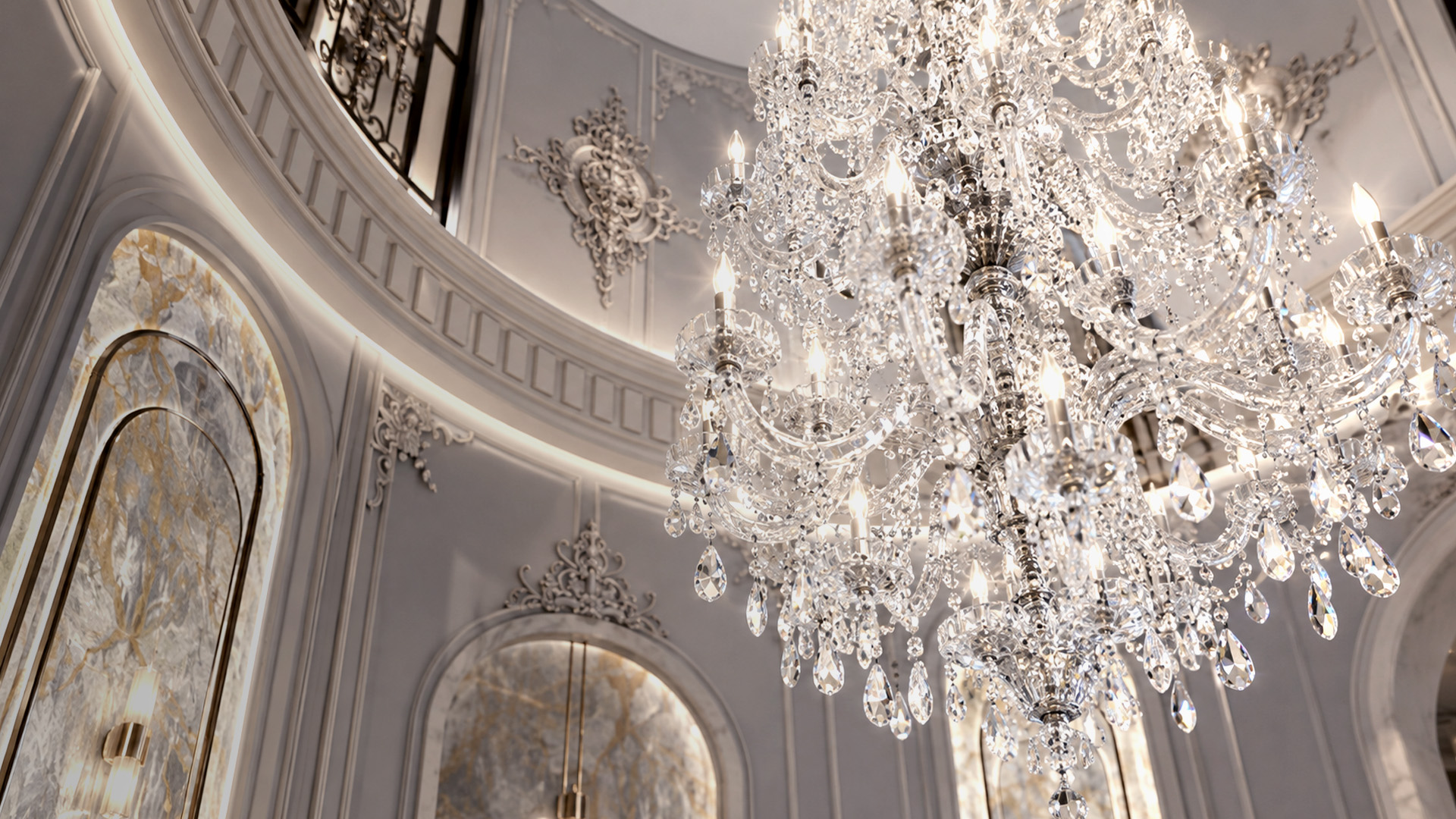
1. A Strong Design Philosophy Goes Beyond Aesthetics
Every successful interior begins with a point of view.
Without one, even a beautifully finished room can become a collection of familiar luxury ingredients.
Expensive stone.
Recognised furniture.
Statement lighting.
A refined colour palette.
Exceptional objects.
All of them may contribute.
None of them automatically gives the project meaning.
An award-winning designer should be able to explain why a space looks and feels the way it does.
What informed the idea?
Why this planning?
Why this material?
What should people notice first?
What does the architecture contribute?
What needs to remain quiet?
How should the space be remembered?
These questions become even more important in luxury residential design.
A private home should not resemble a hotel simply because both use premium materials.
A penthouse should not inherit a fashionable aesthetic because that is currently associated with luxury.
The client changes.
The site changes.
The architecture changes.
So the answer should change.
A strong design philosophy is not a formula for making every project look similar. It is a framework for making better decisions when every project is different.
Sometimes that leads to drama.
Sometimes restraint.
The important skill is knowing which belongs.
2. Great Designers Turn Stories Into Spatial Experiences
Interior design is not simply about composing beautiful rooms.
It is about creating experiences through:
movement,
light,
proportion,
material,
texture,
sound,
views,
privacy,
and atmosphere.
In hospitality, this may mean choreographing an arrival sequence, expressing the identity of a destination, or creating a guest journey that becomes memorable beyond the lobby.
In a private home, the story becomes more intimate.
It may begin with:
how a family gathers,
a collection built over many years,
the need for both togetherness and privacy,
an heirloom that cannot be replaced,
or an everyday ritual nobody would consider important except the people who live there.
Those things should not become superficial decoration.
They can influence planning itself.
Where does the family naturally meet?
What should be seen immediately?
What deserves to be discovered?
Where should the home open?
Where should it protect?
Which object deserves architecture around it?
The strongest interiors do not need to explain their story literally. The story can be felt in the way the space works.
That is often more powerful than symbolism.
A home becomes personal not because every object has a narrative attached to it.
It becomes personal because another family would have required a different answer.
3. Creative Vision Means Very Little Without Technical Precision
An original concept is only the beginning.
Eventually, somebody has to build it.
The idea has to survive:
dimensions,
materials,
construction,
services,
fabrication,
budget,
coordination,
and site conditions.
That is where technical capability becomes part of creative capability.
A concealed door may look effortless when complete.
Achieving it may require precise coordination of hardware, wall thickness, material junctions, tolerances, and surrounding details.
Integrated lighting may appear simple.
Behind it are decisions about:
ceiling construction,
electrical requirements,
heat,
access,
colour temperature,
control,
and maintenance.
A bespoke cabinet may look almost inevitable once installed.
But only if the proportions, material, hardware, fabrication, and intended objects were properly considered.
Some of the best technical decisions disappear completely into the finished design.
That does not make them less important.
It makes them successful.
For luxury residential projects, this matters particularly because a home must work long after the photographs have been taken.
A kitchen must remain comfortable.
A staircase needs to feel right every day.
A wardrobe has to accommodate what somebody actually owns.
Materials need to age appropriately.
Lighting must support real behaviour.
The finest design often makes enormous complexity feel effortless.
That effortlessness is rarely accidental.
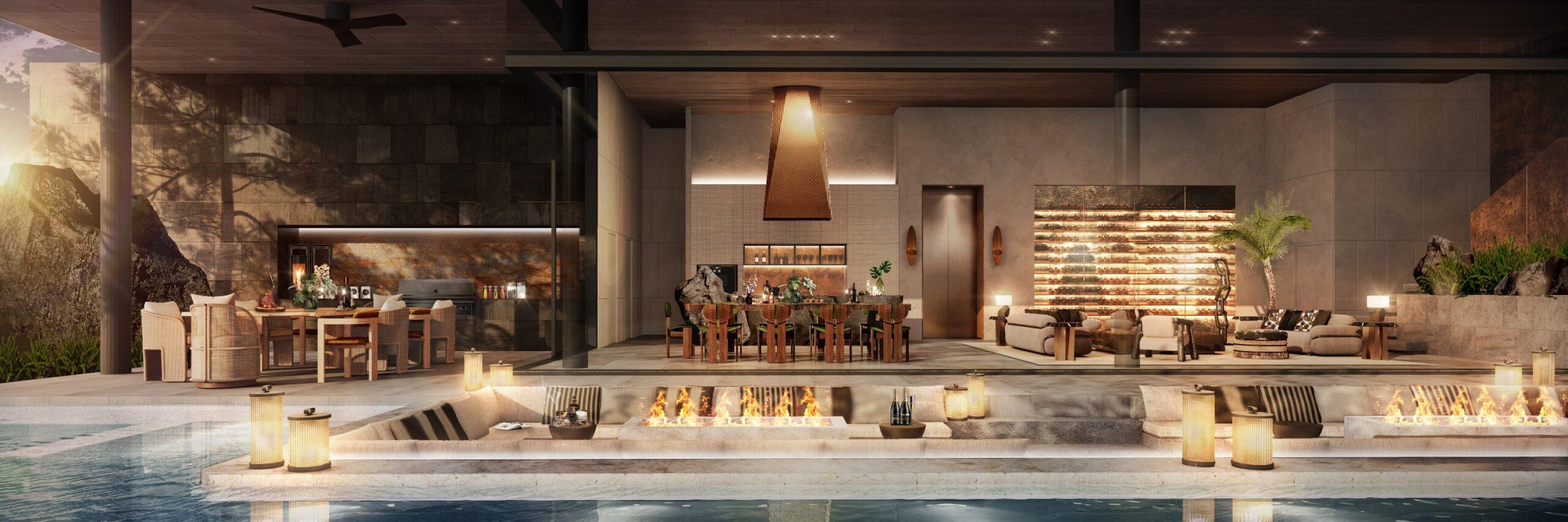
4. Bespoke Craftsmanship Should Have a Reason to Exist
Bespoke design is often associated with luxury.
But custom-made is not automatically meaningful.
The real value of bespoke work lies in specificity.
A dining table may be designed around the exact way a family gathers.
A cabinet may respond to an unusual collection.
A screen might solve privacy while becoming part of the identity of the room.
A piece of furniture can be developed around architecture rather than simply placed inside it.
These things matter because there is a reason they could not simply have been selected from somewhere else.
Bespoke becomes valuable when customisation solves something specific — not merely when another person cannot buy the same object.
The designer therefore needs to understand materials and making.
Timber behaves differently from stone.
Metal allows another kind of precision.
Textiles change acoustics and softness.
Glass introduces transparency and reflection.
Craftsmanship is strongest when these characteristics are used intelligently rather than simply displayed.
And not everything needs to be bespoke.
An existing furniture piece may already be the right answer.
A vintage object may carry history.
A family possession may contain emotional value no newly designed piece could reproduce.
The designer’s judgment lies partly in knowing what deserves to exist only once.
That is a more sophisticated form of luxury than making everything unique.
5. Award-Winning Residential Design Must Survive Everyday Life
Private residential design is different from designing for a constantly changing audience.
The same people experience the home repeatedly.
Morning after morning.
Year after year.
A dramatic first impression may be memorable.
But what happens after the photograph?
Can the home accommodate everyday routines?
Does it provide enough privacy?
Does the lighting work at night?
Can it change as the family changes?
Do the materials improve with use — or merely deteriorate?
Does the architecture support the people living there rather than requiring them to adapt constantly to the architecture?
A luxury residence is not successful because it looks extraordinary once. It needs to continue making sense after extraordinary becomes familiar.
That is one reason residential design can be deceptively difficult.
Luxury House Interior Design: Design Around Real Life
A family residence may need to balance:
shared life,
individual privacy,
entertaining,
work,
storage,
children,
parents,
staff,
and future change.
A multigenerational home may need togetherness without forcing everyone to be together all the time.
Another homeowner may prioritise an art collection.
Someone else may need a deeply private place to retreat.
Successful luxury house interior design translates these priorities into one coherent environment.
It does not simply produce a house that looks expensive.
It produces a house that understands its occupants.
Luxury Villa Interior Design: Let the Place Influence the Answer
A villa introduces another relationship.
Landscape.
Climate.
Views.
Privacy.
Indoor-outdoor living.
In Thailand, heat, humidity, rain, strong daylight, and maintenance can influence major design decisions.
A villa in Bangkok should not automatically respond in the same way as one overlooking the sea.
The setting changes.
The lifestyle changes.
The answer should change too.
A villa should not simply use landscape as scenery. Architecture, interior, and landscape should feel like parts of one experience.
Penthouse Interior Design: Extraordinary Scale Still Needs Intimacy
Penthouses offer extraordinary possibilities.
Views.
Volume.
Height.
City lights.
But those qualities can also make a residence feel impersonal.
The challenge is not merely to maximise the spectacle.
It is to create a genuine home inside it.
Sometimes the city should become the protagonist.
Sometimes the most luxurious space is the one that lets the owner forget the city entirely.
A view can make a penthouse impressive. The interior has to make it personal.
An experienced designer understands when to amplify scale and when to create intimacy.
6. Innovation Is Not the Same as Novelty
Innovation is often associated with something visibly new.
An unusual form.
An unexpected colour.
A dramatic installation.
A material nobody has seen used that way before.
But novelty by itself is not necessarily intelligent.
Meaningful innovation starts with a problem.
Perhaps the floor plan is difficult.
Perhaps privacy and openness appear to contradict one another.
Perhaps technology needs to disappear into the architecture.
Perhaps a traditional craft should be reinterpreted rather than reproduced.
Perhaps a room needs to perform several functions without feeling temporary.
In residential design, some of the most valuable innovation may be almost invisible.
Storage that disappears.
A flexible room.
A lighting system that changes naturally across the day.
A plan that allows several generations to live together without compromising independence.
The strongest design ideas do not always need to announce themselves.
They need to solve something beautifully.
Originality matters.
But originality with purpose matters more.
7. Awards Matter — but Understand What They Actually Prove
Interior design awards can provide useful evidence of professional recognition.
Programmes such as the Asia Pacific Property Awards and International Property Awards, among other international design platforms, recognise work across hospitality, residential, commercial, and specialised interior categories.
But every programme has its own categories, criteria, eligibility requirements, and judging process.
So when considering an award-winning interior designer, do not look only at the number of awards.
Look at the work.
What project was recognised?
For what type of environment?
What problem was being solved?
What does the project reveal about the studio’s thinking?
Recognition for a hospitality project may demonstrate experience with:
guest journey,
atmosphere,
identity,
operations,
and spatial storytelling.
Residential recognition may provide evidence of:
personalisation,
craftsmanship,
comfort,
planning,
and long-term usability.
Both can be valuable.
Their relevance depends on the project you are planning.
Awards may establish credibility. Relevance establishes fit.
That is why the strongest studios should not need to rely on trophies alone.
The recognised work itself should be able to explain why the recognition matters.
8. Look Beyond the Awards Before Choosing a Designer
For a private client, there is another question that may matter more than any trophy:
What will it feel like to work with this person or studio?
A home contains things that rarely appear in a conventional design brief.
Relationships.
Habits.
Preferences.
Conflicting tastes.
Memories.
Things people refuse to throw away.
Different definitions of privacy.
Different definitions of comfort.
Different definitions of luxury.
The designer needs to be curious enough to discover those things.
A request for a large living room may actually be about wanting the family together more often.
A request for minimalism may coexist with a deep attachment to collected objects.
A desire for expensive materials may really be a desire for permanence.
Two people can share a home without sharing the same idea of how that home should feel.
These contradictions should not necessarily be eliminated.
They may be the most valuable clues in the entire brief.
A strong designer should listen carefully.
But they should also be willing to challenge assumptions when another solution may serve the project better.
You are not appointing a designer only to receive more ideas.
You are appointing judgment.
And the quality of that judgment matters most when there is no obvious answer.
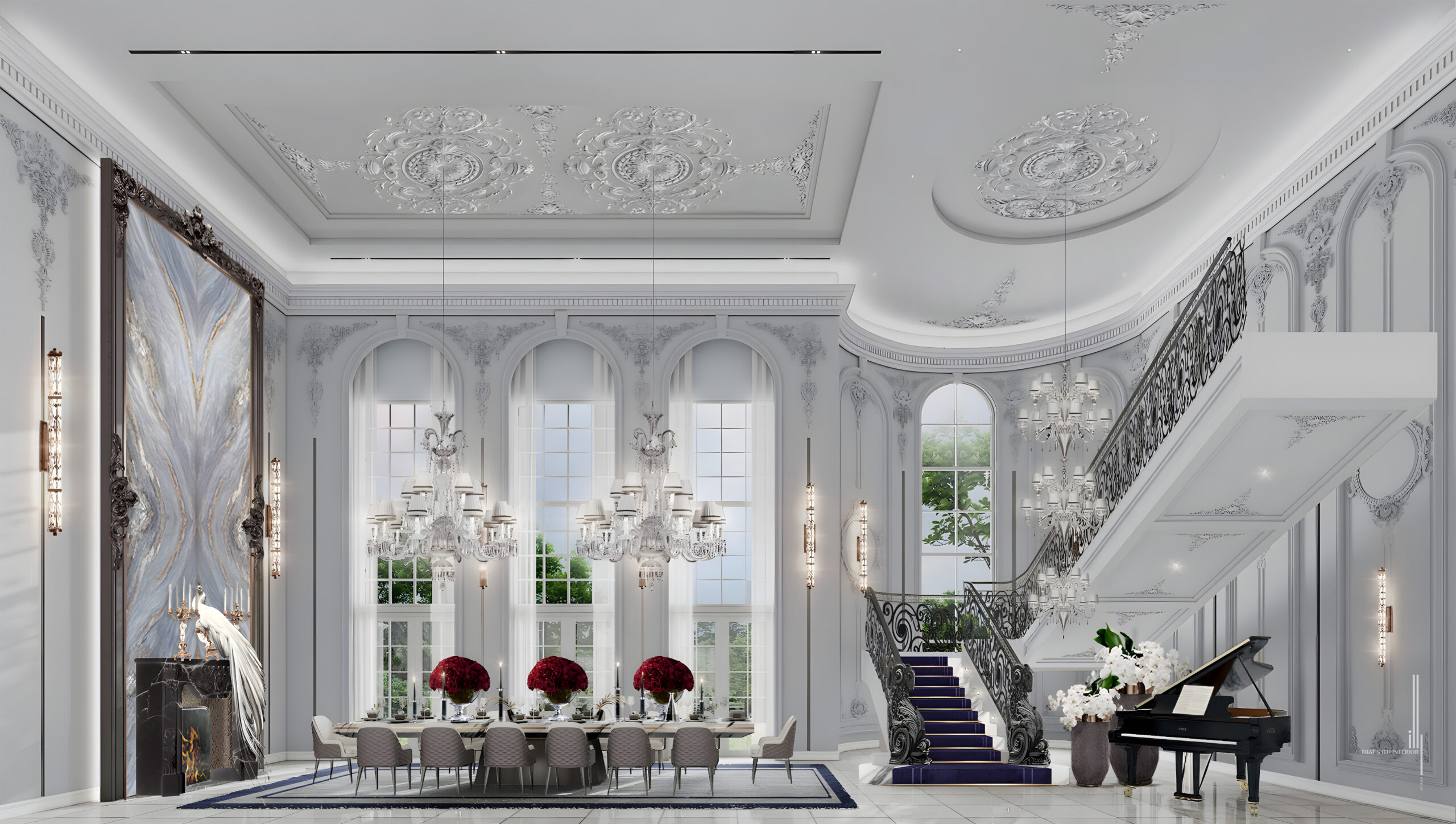
What Should You Ask an Award-Winning Interior Designer Before Hiring Them?
Awards can begin the conversation.
The following questions tell you far more about the relationship that may follow:
- Why do your projects look different from one another?
- What usually becomes the starting point for a concept?
- How do you learn how a private client actually lives?
- Who will lead my project?
- What is the founder or design director’s involvement?
- How do you decide what should be bespoke?
- Can I see completed work, not only renderings?
- How is technical design developed?
- How do you coordinate with architects and contractors?
- How do you protect the concept when changes or value engineering happen?
- What happens when you disagree with the client?
- Which decisions do you believe matter most in a home like mine?
The answers are important.
But pay attention to the questions the designer asks you too.
A designer worth appointing should sometimes make you think differently about your own project before they have designed anything at all.
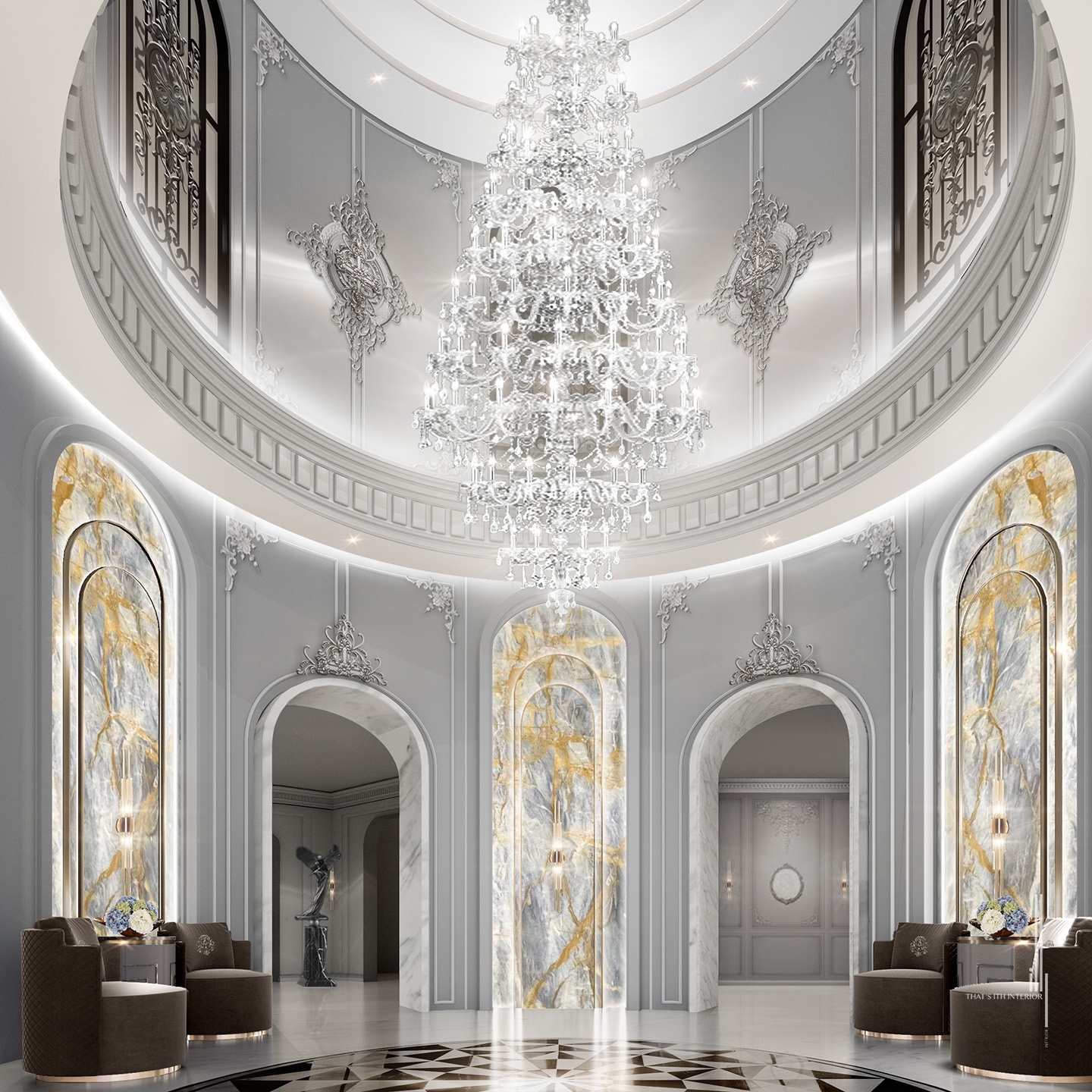
THAT’S ITH: Award-Winning Design Without an Award-Winning Formula
At THAT’S ITH INTERIOR, we value recognition.
But we do not begin projects by asking how to create another award-winning interior.
We begin with identity.
Who is this for?
Why here?
How should people feel?
What needs to happen?
What should be remembered?
What deserves attention?
What should remain quiet?
Led by ITH PALACH, whose design career spans more than 25 years, THAT’S ITH is a Bangkok-based interior design studio working across luxury hospitality, high-end residential, restaurant, workplace, and commercial projects in Thailand and international markets.
The studio’s work has received recognition through international programmes including the Asia Pacific Property Awards and International Property Awards.
But the value of that recognition, for us, is not the permission to repeat what has already succeeded.
It is the confidence to keep asking for a different answer when the project requires one.
A hotel and a home should not look the same.
A private villa should not inherit the identity of a penthouse.
One homeowner should not inherit the visual language of the client before them.
Different people.
Different sites.
Different lives.
Different answers.
For us, Fearless Luxury is not an aesthetic.
It is the confidence to make a decision because it is right for the project — and the discipline to carry that decision from concept into built reality.
Sometimes that decision is expressive.
Sometimes restrained.
Sometimes highly bespoke.
Sometimes the strongest move is to remove something.
The consistency is not in the aesthetic. It is in the judgment.
Our wider residential portfolio includes projects such as The Reserve Villas – Sukhumvit 89/1, Hyde Penthouse, and SJ Home – Nonthaburi.
They should not look the same.
They were never supposed to.
Because our ambition is not to design every project so that people immediately say:
“This looks like THAT’S ITH.”
The greater ambition is:
“This could only belong here, to these people, at this moment.”
That is what recognition should ultimately protect — not a signature look, but the standard of thinking behind the work.
Choosing an Award-Winning Interior Designer for Your Next Project
Awards can help narrow the field.
They can indicate professional recognition, ambition, and a body of work that has attracted external attention.
But a successful commission requires more.
Relevant experience.
Technical capability.
Chemistry.
Curiosity.
Clear communication.
A process you trust.
And a designer willing to discover an answer specific to you rather than simply reproduce what has already been rewarded.
Whether you are planning a private house, bespoke home renovation, luxury villa, penthouse, hotel, resort, or hospitality environment, the right design partner should bring more than an impressive portfolio to the conversation.
They should bring a way of thinking that makes the possibilities of your own project clearer.
Contact THAT’S ITH INTERIOR to discuss your next interior design project.
You do not need to approach us knowing exactly what the space should become.
Discovering that is part of the work.
Frequently Asked Questions
What makes an interior designer award-winning?
An interior designer becomes award-winning when their work receives recognition through a professional design competition or awards programme.
Depending on the programme, projects may be evaluated for creativity, functionality, innovation, technical execution, materials, environmental considerations, or overall design quality.
Are award-winning interior designers always better?
No.
Awards provide evidence of professional recognition, but they do not automatically make one designer the right choice for every project.
Relevant experience, design philosophy, technical capability, communication, team structure, and the ability to understand a client’s specific needs also matter.
Why hire an award-winning residential interior designer?
Professional recognition can provide additional confidence that the designer’s work has been evaluated beyond the studio itself.
For a residential commission, however, homeowners should also review completed homes and assess the designer’s understanding of privacy, comfort, lifestyle, craftsmanship, technical execution, and long-term use.
Do interior design awards matter for luxury house projects?
They can.
Awards can demonstrate recognition for creative or technical achievement, but clients should understand what project and category were recognised and whether that experience is relevant to their own residence.
Recognition is one part of the evidence, not the entire decision.
What is bespoke home interior design?
Bespoke home interior design develops project-specific solutions around the people, architecture, lifestyle, and requirements of a particular residence.
This may include custom furniture, joinery, lighting, material detailing, space planning, or other elements developed because a standard solution cannot respond as precisely.
Does every luxury home need bespoke furniture?
No.
Bespoke pieces are most valuable where they solve something specific.
A sophisticated home can combine custom-designed elements with existing furniture, artwork, vintage pieces, and meaningful personal possessions.
The designer’s role is to understand which approach belongs where.
Can an award-winning hospitality interior designer also design luxury homes?
Yes, provided the studio understands the important differences between hospitality and residential design.
Skills such as spatial planning, materiality, lighting, storytelling, craftsmanship, and technical coordination can transfer across typologies, but a private home requires a deeper understanding of personal routines, privacy, comfort, memory, and long-term life.
Should I choose the designer with the most awards?
The number of awards alone is not enough.
Consider what was recognised, how relevant the work is to your project, the quality of completed projects, the studio’s design philosophy, technical capability, and how confidently you can imagine working with the team over a long design process.
What should I look for beyond an award-winning portfolio?
Look for the ability to explain why different projects required different solutions.
Ask about process, project leadership, bespoke design, technical development, coordination, and how the studio responds when the client and designer initially disagree.
Perhaps the most revealing question is:
“Would you design this project differently if it belonged to somebody else?”
For a truly personal project, the answer should almost certainly be yes.