
Luxury House Interior Designer: How to Choose the Right Expert
Choosing a luxury house interior designer is a decision most homeowners make only a few times in their lives.
That makes it surprisingly easy to evaluate the wrong things.
A beautiful Instagram feed.
A recognisable furniture brand.
A rendering that looks exactly like the home you imagined.
All of these can be useful signals.
None of them, on their own, tells you whether a designer can understand how your family actually lives, develop a coherent idea, resolve it technically, coordinate it with other disciplines, and carry it through the changes that inevitably happen before a home is finished.
The right luxury house interior designer does more than make a home beautiful. They help turn a complicated set of people, habits, aspirations, constraints, and decisions into one coherent place to live.
For homeowners actively shortlisting designers for a private residence, villa, penthouse, or major renovation, these are the questions that matter most.
What Does a Luxury House Interior Designer Actually Do?
A luxury house interior designer plans, develops, and details the interior environment of a private home around the specific people who will live there.
Depending on the agreed scope, the work may include:
- client discovery and briefing
- concept development
- space planning
- material and finish selection
- lighting coordination
- bespoke furniture and joinery
- FF&E selection and specification
- design development
- construction documentation
- coordination with architects and specialist consultants
- procurement support
- construction-stage design services
- styling and installation support
Not every studio provides every service.
That is why homeowners should compare designers not only by portfolio, but also by scope, process, technical capability, team structure, and how far the studio remains involved once the concept has been approved.
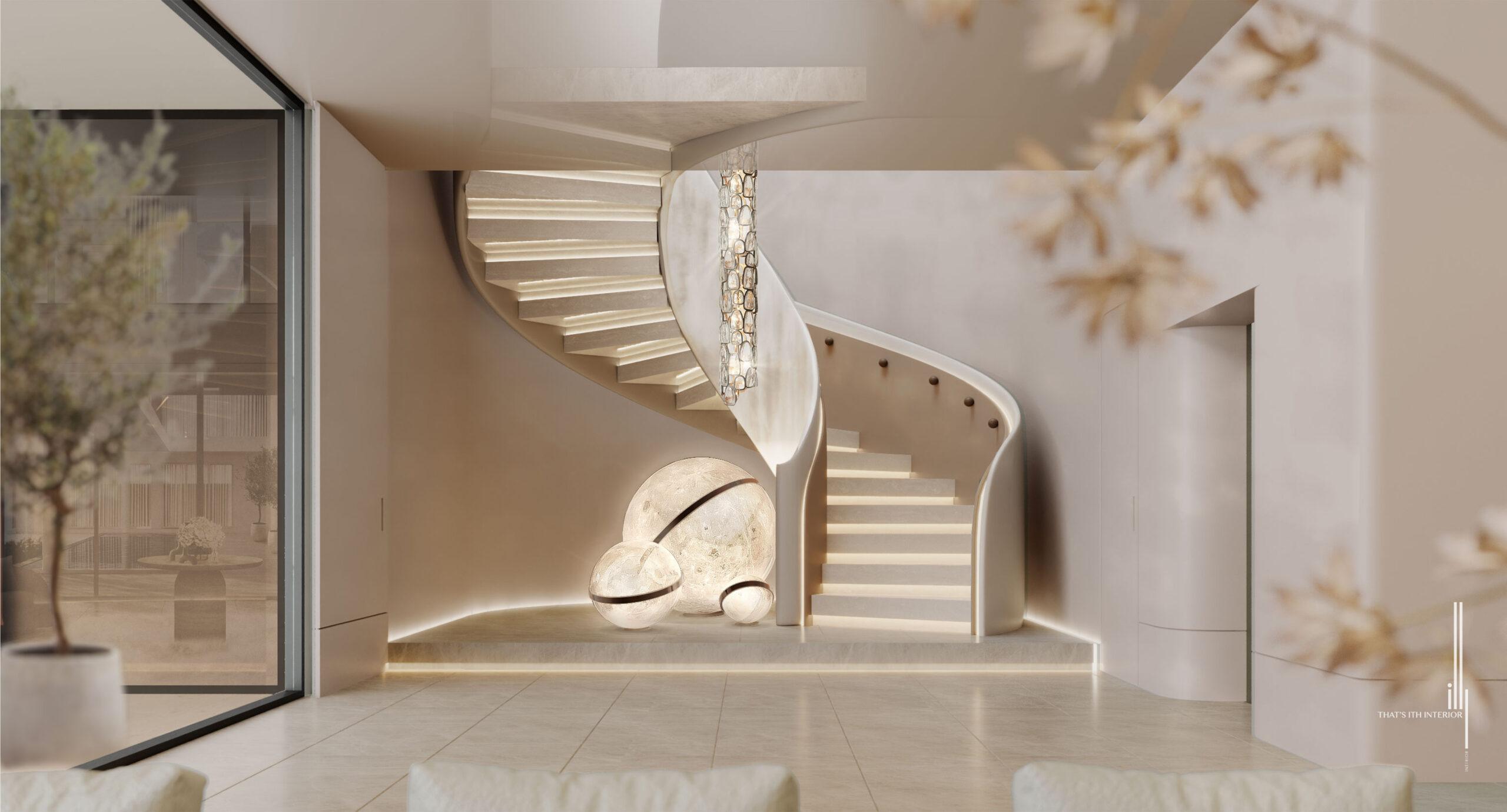
Start With the Portfolio — But Do Not Just Ask Whether You Like It
Most people review a residential designer’s portfolio by asking one question:
“Do I like this style?”
A better question is:
“Why do these projects look different from one another?”
If every residence has the same palette, furniture language, lighting, and visual formula regardless of client or location, the designer may have a strong signature aesthetic.
There is nothing inherently wrong with that — if that is what you want.
But if the objective is a genuinely bespoke home, look for evidence that different clients produce different answers.
Compare several projects side by side.
Does one house feel quiet while another is expressive?
Does the planning change with the family?
Are materials responding to architecture, climate, or lifestyle?
Can you sense that different people live behind the photographs?
A strong designer can have a recognisable way of thinking without making every home look recognisably the same.
Look at Built Work, Not Only Renderings
Renderings demonstrate imagination.
Built projects demonstrate whether imagination survived reality.
This distinction matters.
Between concept and completion come budgets, contractors, consultants, fabrication, substitutions, unavailable materials, technical conflicts, site conditions, and hundreds of decisions too small to appear in the original presentation.
When reviewing a portfolio, look for completed projects and, where possible, more than the hero photograph.
Bathrooms.
Joinery.
Transitions.
Ceilings.
Storage.
Material junctions.
Furniture details.
Rooms that are less glamorous but essential to daily life.
A designer capable of carrying an idea into these details is demonstrating something different from a studio capable only of producing a compelling visual direction.
A beautiful image shows what someone can imagine. A built home shows what their process can deliver.
Understand the Difference Between a Designer and a Stylist
The terms used within the interiors industry can vary between markets and practices, but the scope of work is what matters.
An interior stylist will typically focus more heavily on furniture, art, accessories, colour, and the visual composition of an existing space.
A residential interior designer may become involved much earlier, addressing space planning, built-in elements, materials, lighting, bespoke joinery, technical development, and coordination required to shape the interior itself.
Both can add significant value.
But they solve different problems.
If you are furnishing an already completed residence, styling may be exactly what you need.
If you are undertaking a full renovation, restructuring major spaces, developing extensive bespoke joinery, or working alongside an architect on a new home, you are usually looking for a deeper interior design scope.
Do not choose by job title alone. Ask exactly what the studio will design, document, coordinate, and remain responsible for.
Ask How the Designer Begins
This may tell you more than the finished portfolio.
Does the first conversation immediately move toward style?
Or does the designer want to understand how you live?
Who wakes up first?
Who cooks?
How frequently do you entertain?
Where do children spend time?
How much privacy does each person need?
What do you collect?
What do you want hidden?
How does domestic staff circulation work, where relevant?
What annoys you about the home you live in now?
What might your family need five or ten years from today?
A strong discovery process should move beyond what you think looks beautiful.
Because clients frequently ask for contradictory things.
“Open, but private.”
“Minimal, but we own a lot.”
“Hotel-like, but not like a hotel.”
“We entertain constantly, but we do not want guests entering the family zone.”
Those contradictions are not signs of a bad brief.
They are often where the real project begins.
The right designer should be able to understand what sits underneath your preferences, not simply reproduce the references you bring to the meeting.
Examine the Designer’s Spatial Thinking
Luxury residential design begins long before furniture.
Look at how the designer thinks about relationships between spaces.
Public and private.
Family and guests.
Adults and children.
Owners and staff.
Morning and evening.
Togetherness and separation.
A home can contain beautiful individual rooms and still be frustrating to live in if circulation, privacy, storage, acoustics, and daily routines were not resolved intelligently.
Ask the designer to explain a project through its planning.
Why is the kitchen there?
Why does this room connect to another?
How are guests kept away from private areas?
How does natural light affect the layout?
What happens when the house is full?
What happens when almost nobody is home?
If the explanation is only aesthetic, keep asking.
A luxury house should not merely look composed. Life inside it should feel composed too.
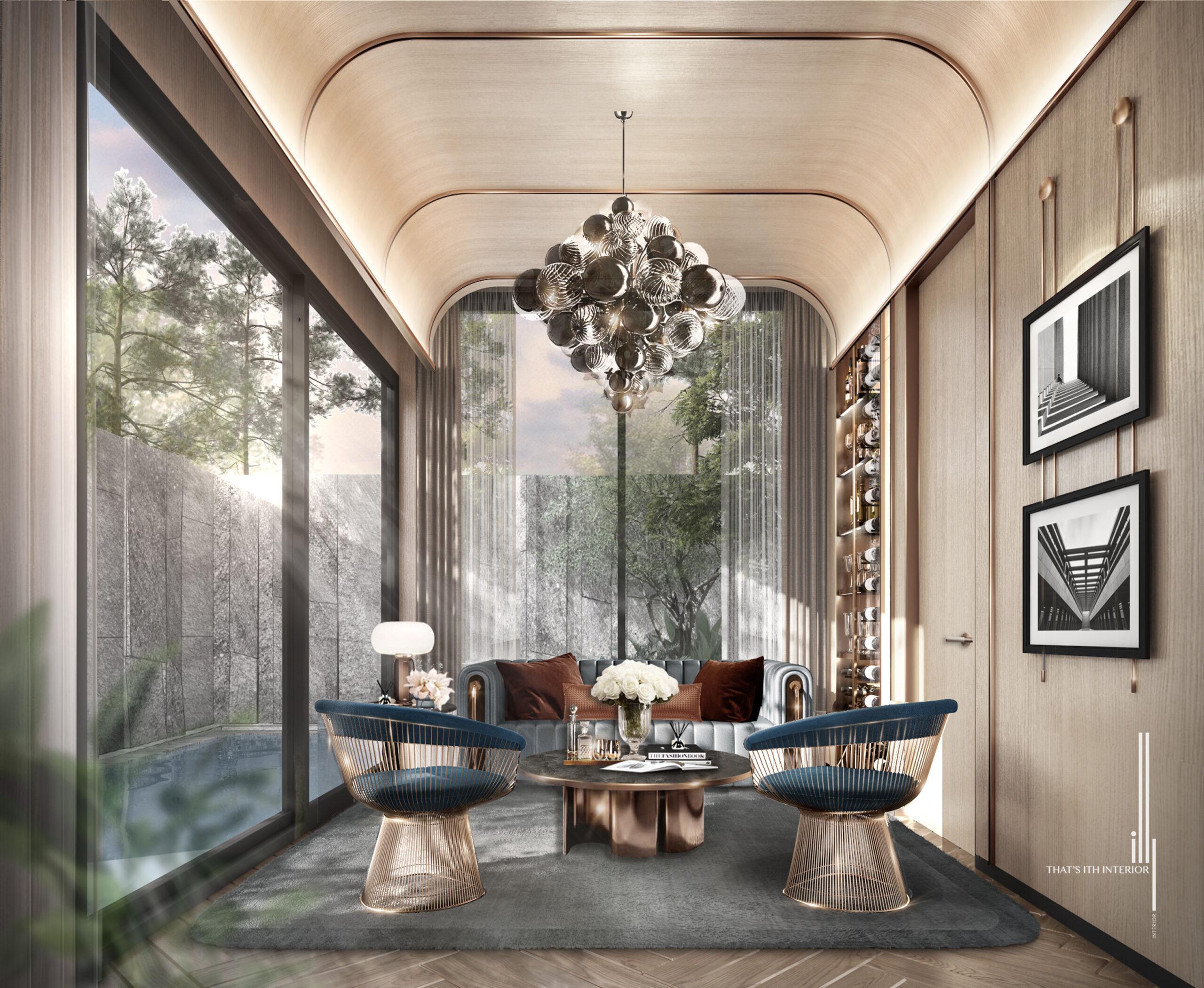
Ask About Technical Capability
For major renovations and new-build homes, concept design is only part of the work.
At some point, ideas have to become dimensions, details, specifications, junctions, and information that other people can price, fabricate, coordinate, and build.
Depending on the studio’s appointment, this may include:
- plans
- elevations
- sections
- ceiling plans
- joinery details
- material schedules
- FF&E information
- lighting coordination
- bathroom detailing
- bespoke furniture information
You do not need to become an expert in technical drawings.
But it is reasonable to ask how the studio develops an approved concept into buildable information and which documents form part of the agreed service.
Where confidentiality allows, representative examples of technical documentation can be useful.
Creative vision matters. Technical clarity is what gives that vision a chance of surviving construction.
Understand Who Will Actually Work on Your Home
One of the most important questions is often overlooked:
Who will actually design my project after I appoint the studio?
The person presenting the portfolio may be the founder or creative director.
Day-to-day work may involve project designers, technical designers, FF&E specialists, coordinators, or other team members.
That is normal.
What matters is continuity.
Ask:
Who leads the concept?
Who is the day-to-day contact?
Who attends key meetings?
Who reviews technical development?
Who remains involved during construction-stage services if they are included?
How are major design decisions reviewed internally?
A strong studio does not require one person to produce every drawing.
But it should have a clear system for ensuring the original thinking does not disappear as the team expands.
Ask How the Designer Handles Disagreement
A residential designer should listen.
But listening does not mean saying yes to everything.
You are hiring a professional partly because they should be able to identify problems you cannot yet see.
A material you love may be inappropriate for the way you live.
A requested wall may damage the quality of the plan.
A piece of furniture may look spectacular but destroy circulation.
A completely open layout may contradict the privacy you described ten minutes earlier.
The best relationship is not one in which the client always wins or the designer always wins.
It is one in which both understand why a decision is being made.
Ask prospective designers how they deal with situations where they disagree with a client.
Their answer can reveal whether they operate as an order-taking service, an ego-driven author, or a genuine design partner.
Evaluate Bespoke Capability Carefully
“Bespoke” is one of the most overused words in luxury residential design.
Custom does not automatically mean good.
Nor does imported automatically mean better.
A bespoke piece is most valuable when there is a reason it needs to exist.
A dining table shaped around a family ritual.
A cabinet designed for a specific collection.
A wardrobe organised around someone’s habits.
A piece of furniture resolving an unusual architectural condition.
Ask how the designer decides what should be custom-designed and what should be sourced.
Also ask how bespoke items are developed, fabricated, sampled, approved, and maintained.
The objective is not to make everything unique. It is to know which things deserve to exist only once.
Consider Renovation Experience Separately From New-Build Experience
Renovations and new homes create different challenges.
A new build offers greater freedom to coordinate architecture, structure, services, windows, circulation, and interiors from the beginning.
A renovation begins with constraints.
Existing structure.
Ceiling heights.
Services.
Building rules.
Neighbours.
Unknown conditions behind walls.
Existing materials.
Sometimes elements carrying sentimental value.
If your project is a major renovation, ask to see comparable renovation work rather than assuming experience with new residences automatically translates.
You want evidence that the designer can respond intelligently when reality refuses to match the drawing.
Understand How the Designer Approaches Budget
Budget conversations should happen early.
A strong luxury house interior designer should not treat budget as something that arrives after the concept.
It is part of the design brief.
This does not mean choosing the cheapest solution.
It means understanding where investment creates the greatest value.
Which bespoke elements matter?
Where will the family physically interact with materials every day?
Which details carry the identity of the home?
Where can complexity be reduced without weakening the concept?
When budgets shift, as they often do, good design judgment becomes even more important.
The question is not simply what can be removed. It is what can change without making the home lose what made it special.
Compare Fees by Scope, Not by the Final Number
Residential interior design fees can be structured in different ways.
A fixed fee.
Phased fees.
Fees calculated by area.
Percentage-based arrangements.
Time-based services.
Or combinations of these.
The lowest headline fee may not represent the lowest overall cost if one proposal excludes services another includes.
Before comparing proposals, understand:
- what design stages are included
- how many areas or rooms are covered
- whether bespoke furniture design is included
- what technical documentation is included
- what FF&E services are included
- whether procurement is included
- whether construction-stage services are included
- how additional revisions are treated
- which expenses and third-party costs are excluded
Compare responsibility with responsibility, not just number with number.
Be Suspicious of Unrealistic Timelines
A substantial private residence takes time.
Discovery.
Concept.
Client review.
Design development.
Consultant coordination.
Technical documentation.
Material sampling.
Mock-ups.
Bespoke fabrication.
Procurement.
Construction.
Installation.
Some phases can overlap.
Some projects can move quickly.
But a designer promising a complicated luxury residence at extraordinary speed should be able to explain how that programme is achievable.
A realistic timeline is not evidence that a designer lacks urgency.
It can be evidence that they understand what the work actually requires.
Why Local Knowledge Matters for a Luxury Home in Thailand
For homes being built or renovated in Thailand, local experience can add value far beyond knowing suppliers.
Climate matters.
Humidity matters.
Sunlight matters.
Materials behave differently.
Local fabrication capability matters.
Lead times matter.
Contractor practices matter.
Condominium rules or project-specific restrictions may matter.
Thailand also offers strong capabilities in furniture manufacturing, joinery, stone, metalwork, textiles, and craft.
A designer familiar with that ecosystem can understand not only what is available, but what can be made exceptionally well here.
That is particularly valuable for international homeowners.
The objective is not to make the residence look Thai simply because it is located in Thailand.
It is to combine international design expectations with an intelligent understanding of the place where the home will actually be built.
Questions to Ask Before Hiring a Luxury House Interior Designer
Before making a final appointment, ask questions that reveal both process and thinking:
- How do you begin understanding how our family actually lives?
- Who will lead our project and who will be our day-to-day contact?
- Can you show us completed work comparable in scale or complexity?
- How do you develop the project from concept into technical design?
- What exactly is included and excluded from your scope?
- How do you decide what should be bespoke and what should be sourced?
- How do you respond when budget changes during the project?
- What construction-stage services do you provide, if any?
- How do you handle disagreements with clients?
- What typically causes delays in projects like ours?
The quality of the answers matters.
But so does the way the designer answers.
A good working relationship usually begins with clarity before it begins with creativity.
Red Flags When Choosing a Residential Interior Designer
No single warning sign automatically makes a studio unsuitable.
But several together deserve attention.
Every project looks almost identical
A strong signature may be intentional. But if you want a bespoke home, make sure the studio can respond to you rather than place you inside its existing aesthetic.
The portfolio relies heavily on renderings
Ask to see built work.
The process moves to style before understanding lifestyle
An immediate aesthetic answer can be appealing, but it may be arriving before the real problem has been understood.
Scope is vague
You should know which stages, deliverables, meetings, FF&E services, procurement responsibilities, and construction-stage services are included.
Nobody can explain who will run the project
Team structure should become clearer after appointment, not less clear.
The designer cannot explain decisions
Taste is subjective.
Design reasoning should still be articulable.
The programme sounds unrealistically easy
Complex homes involve many parties and long-lead decisions. Optimism is useful. Pretending complexity does not exist is not.
A Practical Framework for Making the Final Decision
After reviewing portfolios and proposals, reduce the decision to six questions.
1. Do they understand people, not only style?
The home needs to work for your actual life.
2. Can they think spatially?
Beautiful furniture cannot rescue poor planning.
3. Can they show built work?
You are appointing someone to help create a real home, not only an image.
4. Can their technical process support the concept?
Ask how ideas move toward construction.
5. Is the scope clear?
You should understand what happens from the first meeting to the final stage of the appointment.
6. Do you trust their judgment?
This may ultimately matter most.
A major residential project contains hundreds of decisions you may not have imagined when the relationship began.
You are not simply choosing a style.
You are choosing whose judgment you are willing to trust when the obvious answer disappears.
That’s ITH’s Approach to Luxury House Interior Design
At That’s ITH Interior, we do not begin a private home by asking what style the client likes.
We begin with the people.
How they live.
How they gather.
How they retreat.
What they show.
What they hide.
What they collect.
What they disagree about.
And what their lives may require from the house years from now.
Because a home is rarely designed for one perfectly consistent personality.
Someone can love entertaining and still crave complete privacy.
Someone can ask for minimalism while owning hundreds of objects filled with memory.
Two people can share a life without sharing the same idea of comfort.
Those contradictions are not problems to remove from the brief.
They are often where the real design begins.
That is why projects such as SJ Home in Nonthaburi, The Reserve Villas Sukhumvit 89/1, and Hyde Penthouse can speak entirely different visual languages.
The people change.
So the answer changes.
For us, Fearless Luxury in a private residence is not about visual excess.
It is the confidence to make decisions specific enough to one family’s life that the home could not simply belong to somebody else.
We do not aim for a recognisable signature look.
The consistency is in the judgment.
Explore That’s ITH luxury residential projects.
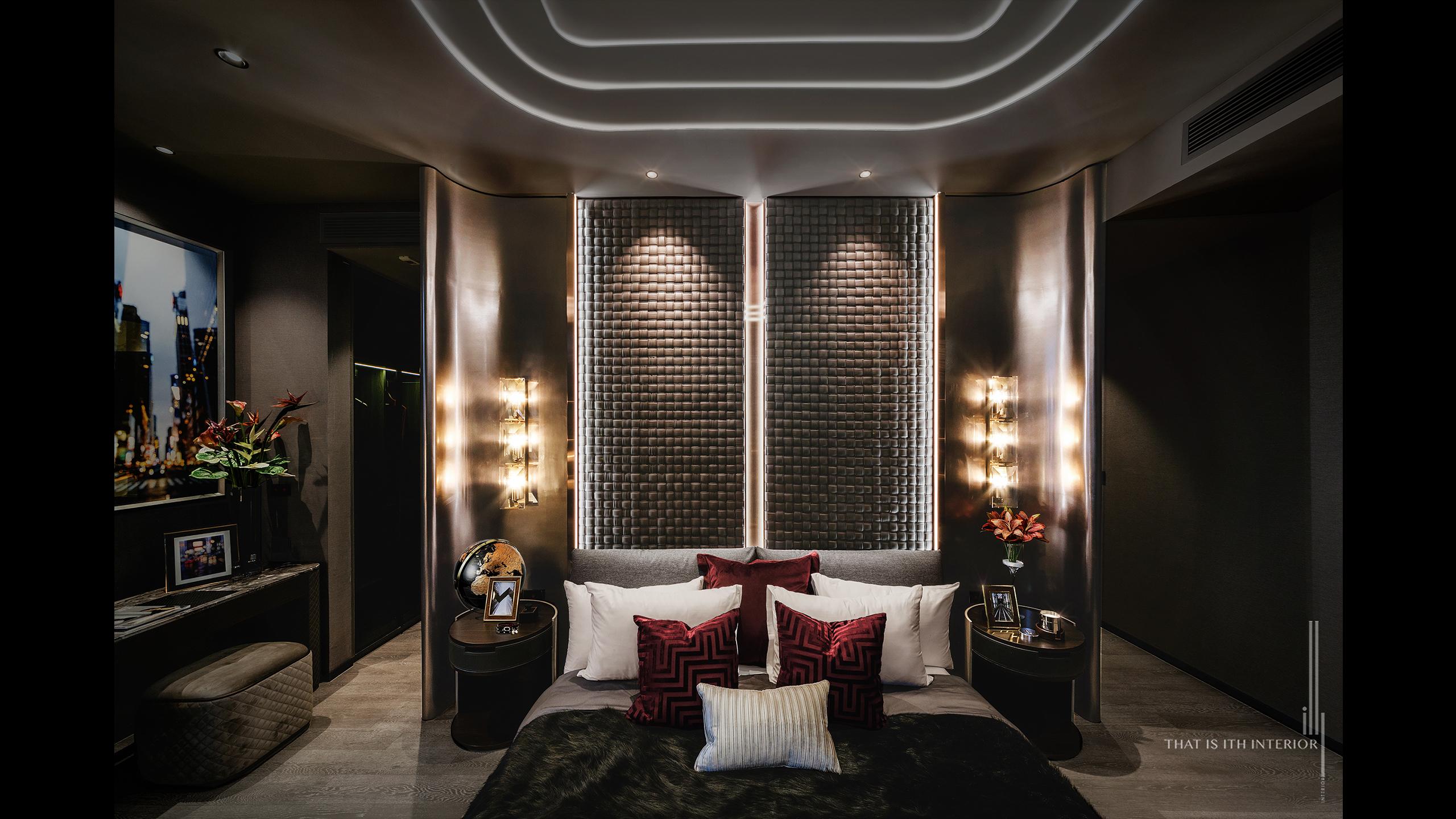
Planning a Private Home, Villa, Penthouse or Renovation?
The best time to appoint a residential interior designer is before important spatial and architectural decisions have become difficult to influence.
Led by founder and designer ITH Palach, That’s ITH Interior is a Bangkok-based interior design studio working across private residences, hospitality, and commercial projects in Thailand and international markets.
We collaborate with homeowners, families, architects, contractors, and multidisciplinary teams to translate lifestyle, identity, architecture, and long-term needs into homes designed around the people who actually live in them.
Contact That’s ITH Interior to discuss your next private residence or luxury home renovation.
Frequently Asked Questions
What should I look for when choosing a luxury house interior designer?
Look beyond visual style.
Review built work, spatial planning, technical capability, scope of services, bespoke design knowledge, team structure, communication, and whether the designer begins by understanding how your household actually lives.
What is the difference between an interior stylist and a luxury house interior designer?
An interior stylist generally focuses on furniture, art, accessories, colour, and the composition of an existing interior.
A residential interior designer may become involved much earlier, addressing planning, materials, lighting, bespoke joinery, technical development, and coordination required to shape the interior itself. Exact services vary by studio.
Should every project in a designer’s portfolio look different?
Not necessarily.
Some designers intentionally work within a recognisable aesthetic. If you want a highly bespoke home, however, look for evidence that the studio can respond meaningfully to different clients, sites, lifestyles, and architectural conditions rather than simply repeating the same formula.
Should I ask to see technical drawings before hiring an interior designer?
For a substantial renovation or new-build home, understanding a designer’s technical capability can be useful.
Where confidentiality permits, representative drawings or an explanation of the studio’s design-development process can show how concepts are translated into information for coordination, fabrication, and construction.
Does renovation experience matter when selecting a designer?
Yes, particularly for complex renovations.
Existing structure, services, building restrictions, hidden site conditions, and phasing can create challenges that differ from a new-build residence.
How should I compare interior design fees?
Compare proposals by scope rather than headline fee alone.
Check which design stages, deliverables, FF&E services, bespoke design, procurement support, meetings, revisions, and construction-stage services are included or excluded.
When should I appoint a luxury house interior designer?
Ideally before major spatial, architectural, lighting, and technical decisions have been fixed.
Early involvement gives the interior designer more opportunity to coordinate lifestyle requirements with architecture and other disciplines.
What are the biggest red flags when choosing a residential interior designer?
Potential warning signs include unclear scope, heavy reliance on renderings without built work, inability to explain the design process, unclear team responsibility, unrealistic timelines, and moving toward a predetermined style before understanding how the client lives.
Is local experience important when choosing a luxury house interior designer in Thailand?
It can be valuable.
Knowledge of Thailand’s climate, materials, fabrication capabilities, suppliers, contractors, lead times, and project conditions can help connect an ambitious design concept with realistic local execution.
What matters most when choosing a luxury residential designer?
Beyond portfolio and technical capability, judgment matters.
A private residence involves hundreds of decisions over a long period. The right designer should be able to listen, challenge, prioritise, and explain why a decision belongs specifically to your home.
Ultimately, you are not only choosing how your house will look. You are choosing whose judgment will help shape how you live in it.