
Interior Design Awards That Matter for Luxury Residential Projects
An award can bring international attention to an interior.
But what does that recognition actually mean to the person who will live there?
For homeowners and property developers, interior design awards can offer useful evidence when evaluating a design studio.
They may recognise originality.
Technical excellence.
Craftsmanship.
Innovation.
Or an exceptional response to a particular architectural challenge.
But not every award tells the same story.
A hotel ballroom, a private residence, and a luxury penthouse may all receive international recognition. Yet the qualities required to make each one successful are very different.
For a luxury residential client, this distinction matters.
A home cannot be judged by visual impact alone.
It has to respond to personal identity, comfort, privacy, daily habits, and the way life changes over time.
The real value of an award is not the title attached to it. It is what the recognised project reveals about the designer’s thinking.
That is what a client should look for.
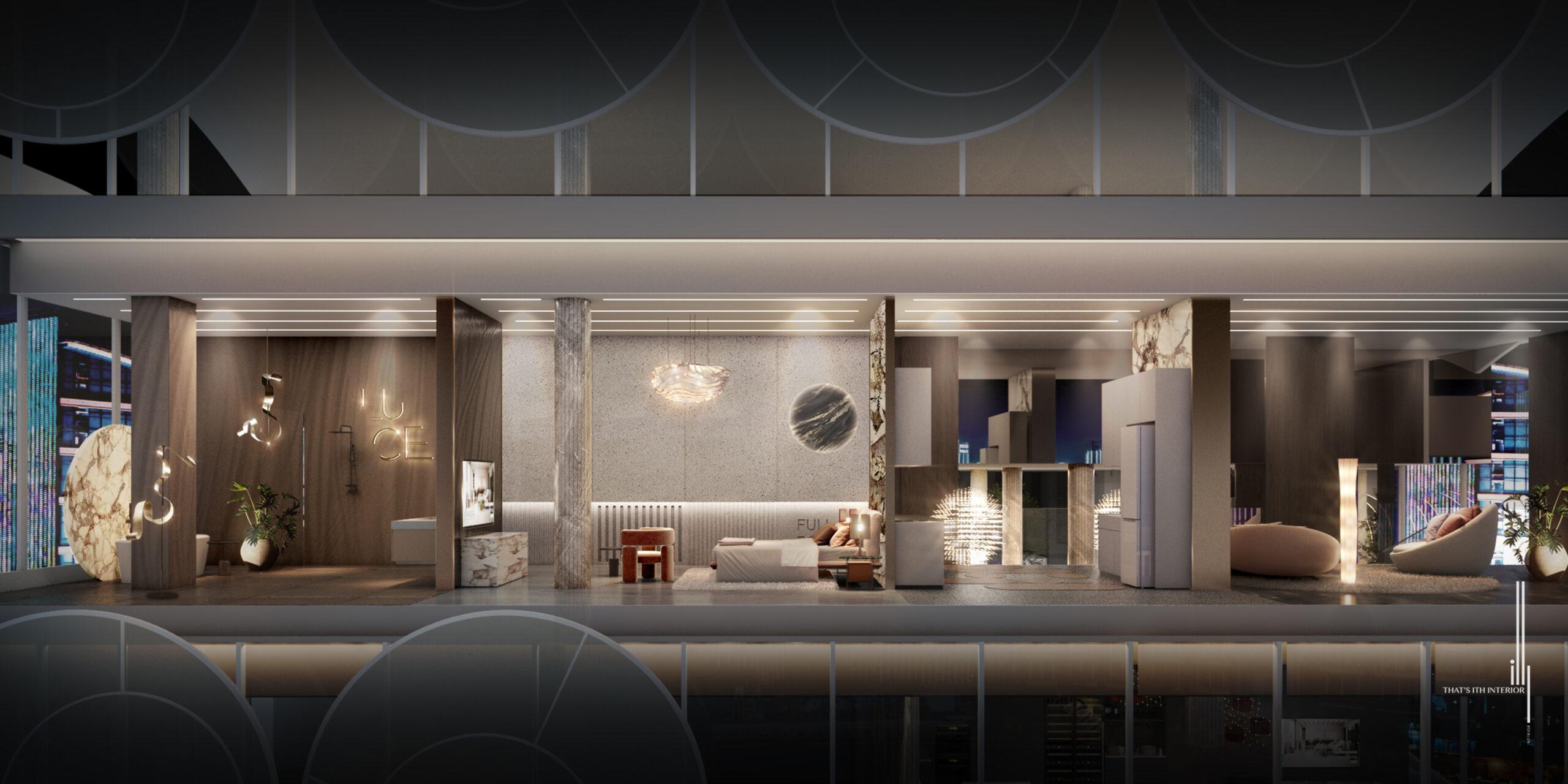
Why Interior Design Awards Matter in Luxury Residential Design
Luxury residential projects often involve substantial investment and hundreds — sometimes thousands — of interconnected decisions.
Architecture.
Planning.
Materials.
Lighting.
Furniture.
Bespoke pieces.
Technical detailing.
Construction.
And, ultimately, the way all of those things affect everyday life.
Choosing the right design partner therefore has consequences long after the project is photographed.
Awards can provide one form of independent recognition.
Depending on the programme, projects may be considered for qualities including:
- originality
- spatial planning
- functionality
- material selection
- craftsmanship
- innovation
- technical execution
- overall design quality
That does not mean an award-winning project is automatically right for every client.
But recognition can help indicate the standard of ambition and execution a studio has demonstrated before.
An award can tell you that a project was recognised. Understanding why it was recognised tells you far more about the designer.
That difference is especially important when choosing someone to design a home.
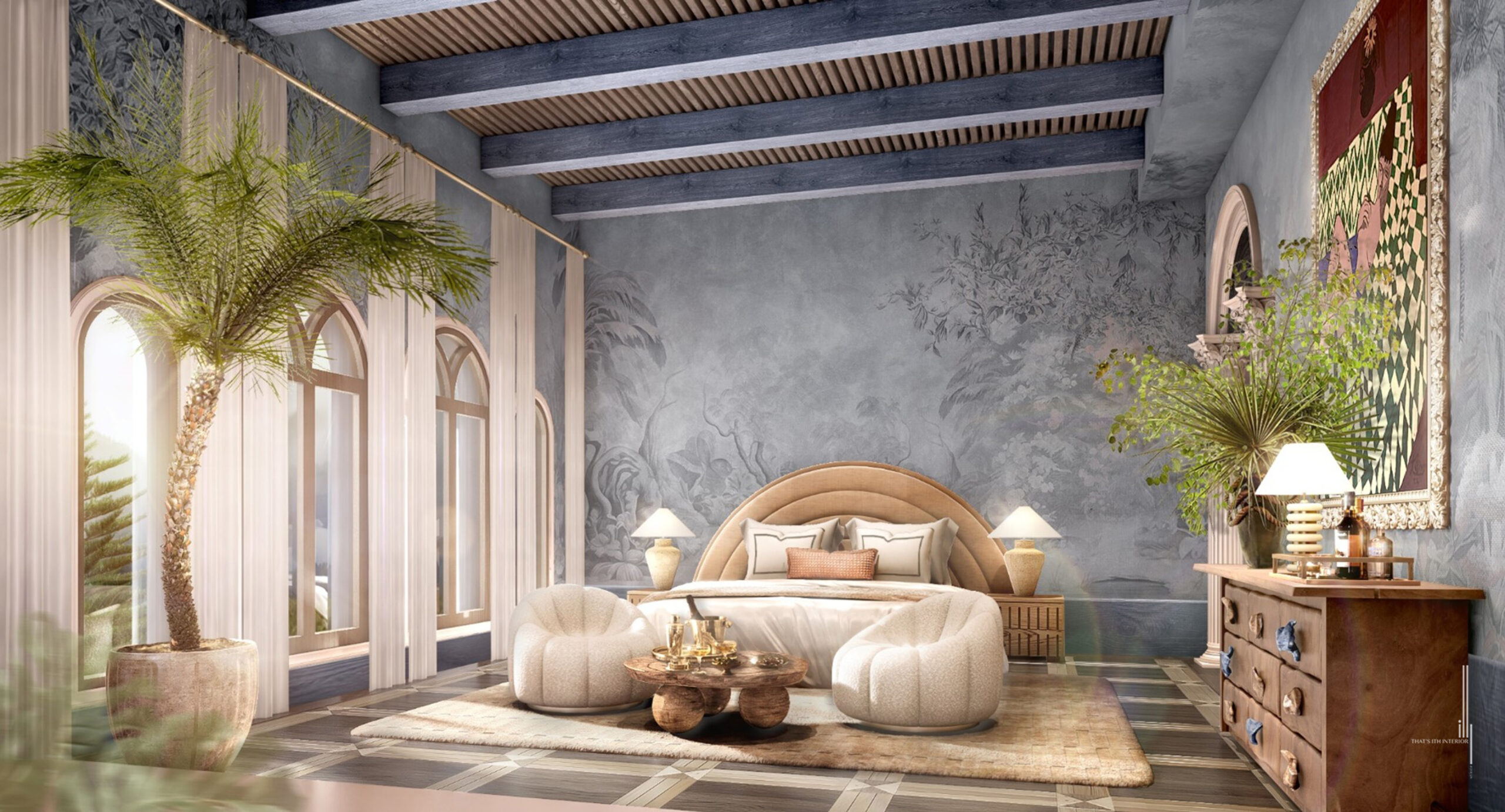
Which Interior Design Awards Are Relevant to Residential Projects?
Not all interior design awards evaluate the same kind of work.
Some focus heavily on hospitality.
Others recognise architecture, development, commercial interiors, or private residential projects.
Even within the same programme, individual categories may represent very different design challenges.
For clients researching residential interior design awards, the category matters almost as much as the award itself.
International Property Awards
The International Property Awards recognise work across property development, architecture, real estate, and interior design.
Residential interior categories can include private residences, apartments, and show homes.
These distinctions are meaningful.
A private home needs to respond to a particular household.
A show residence may need to communicate a development’s lifestyle proposition to a much broader audience.
An apartment or penthouse may need to work within existing structural and building-service constraints.
All can demonstrate design quality.
But they demonstrate it in different ways.
When evaluating an award-winning designer for your own residence, ask:
What exactly was the recognised project — and how relevant is that expertise to what I am planning?
Asia Pacific Property Awards
The Asia Pacific Property Awards form part of the International Property Awards programme and recognise design and property achievements across the region.
For studios working in Thailand and Asia, regional recognition can demonstrate that their work has been considered within a broader professional context.
But category accuracy remains important.
An award-winning hospitality interior should not be presented as an award-winning private residence simply because both were created by the same studio.
Hospitality work may demonstrate strengths in:
guest experience,
spatial storytelling,
operations,
materiality,
and atmosphere.
Residential work asks for another kind of intimacy.
The award may establish capability. The category helps establish relevance.
PropertyGuru Asia Property Awards
The PropertyGuru Asia Property Awards recognise property developments and design achievements across Asian markets.
Relevant categories can include residential interior design for condominium and housing developments.
For property developers, awards of this type may be particularly useful because interior design is evaluated within the wider context of the residential product.
The design may need to contribute to:
functionality,
spatial quality,
finishes,
maintenance,
identity,
and the experience being offered to future residents.
That is different from designing a private commission for one family.
Again, understanding the context behind the recognition matters.
International Design & Architecture Awards
The International Design & Architecture Awards recognise work across interior design, architecture, and related disciplines.
For clients researching internationally recognised designers, programmes like this can provide another view of the range of work being produced globally.
But prestige alone should never replace investigation.
Look at:
the project,
the category,
the year,
and the design itself.
An impressive award name should make you curious about the work — not stop you from examining it.
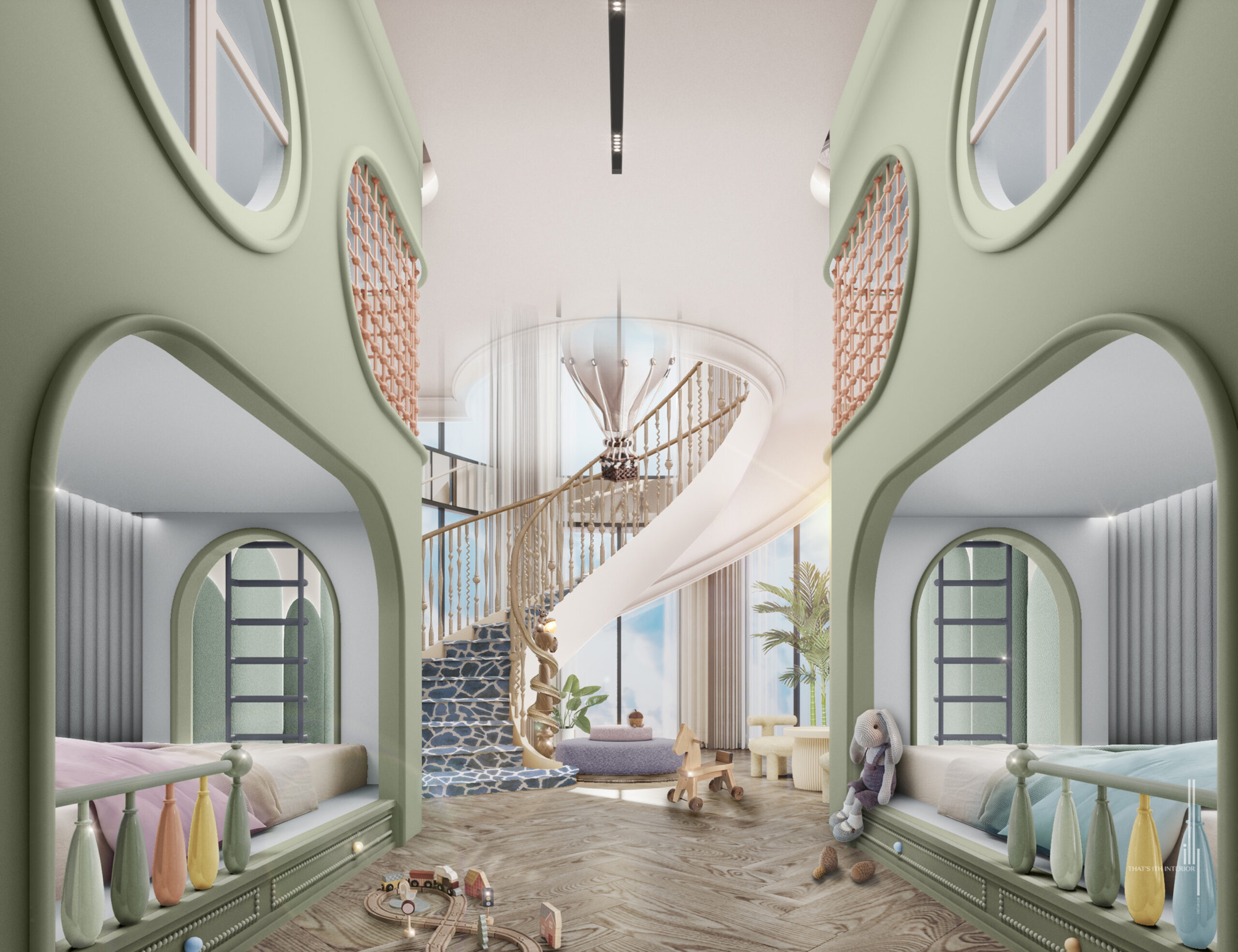
What Makes Award-Winning House Interior Design Exceptional?
A residential interior should not be judged by appearance alone.
The most meaningful homes demonstrate how design has understood the people who live inside them.
A large living room may photograph beautifully.
But does it actually encourage the family to spend time together?
An extraordinary kitchen may use exceptional materials.
But does it support the way its owner cooks?
A private suite may appear elegant.
But does it provide the privacy, lighting, comfort, storage, and acoustic qualities required every day?
These questions reveal the difference between designing an attractive interior and designing a successful home.
A luxury residence should not merely look resolved. Life inside it should feel resolved too.
That becomes a much higher standard.
Award-worthy residential work may demonstrate how seemingly conflicting requirements have been brought together.
Entertaining and privacy.
Openness and intimacy.
Contemporary design and inherited objects.
Visual impact and long-term comfort.
A renovation may preserve something emotionally significant while creating an entirely new way to inhabit the house.
A family home may allow several generations to remain connected without forcing them into the same patterns of living.
The strongest work is rarely about one dramatic gesture.
It is about the intelligence of the whole.
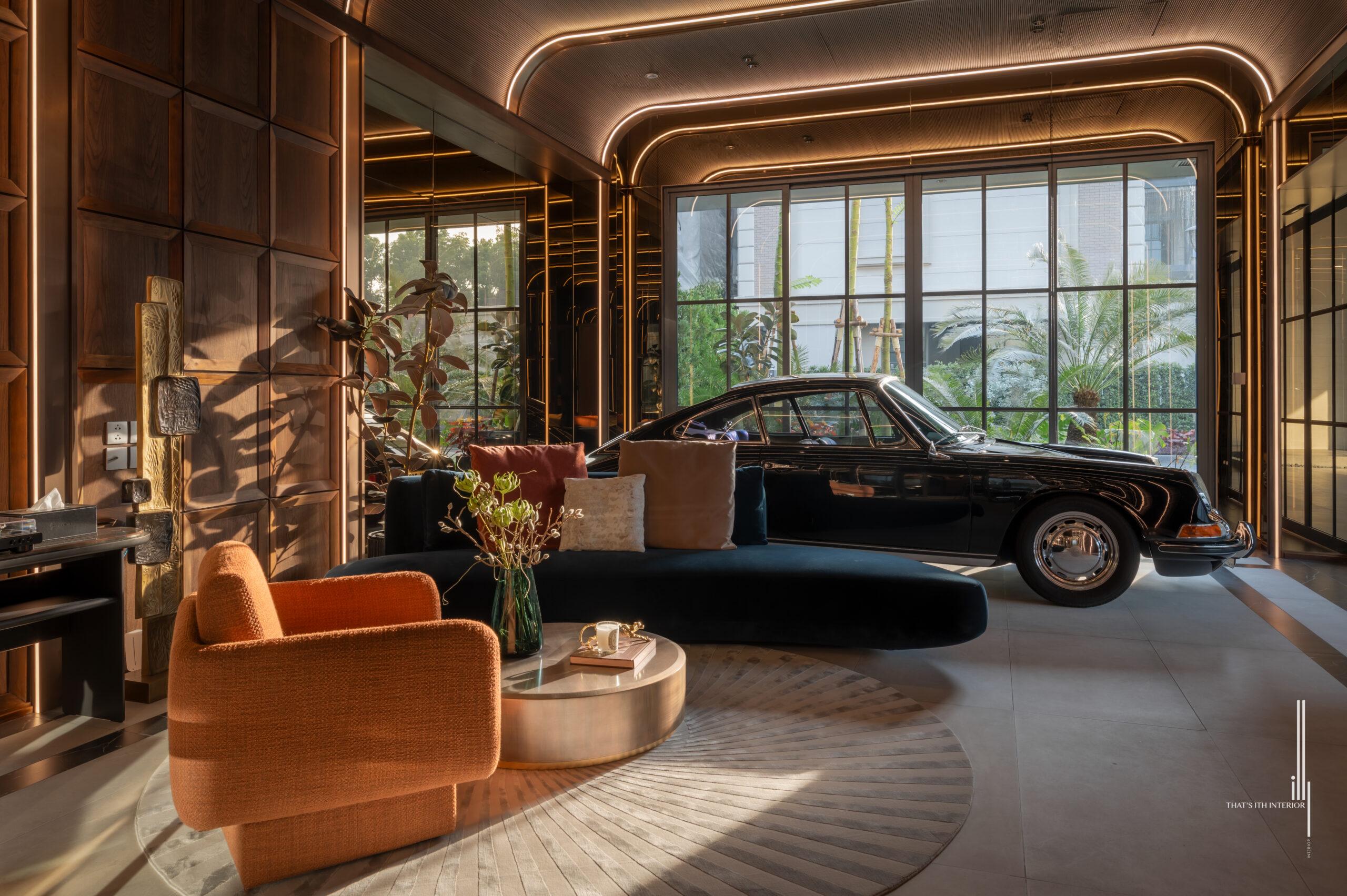
Luxury Villa Interior Design: When Recognition Meets a Sense of Place
Luxury villas introduce another layer of complexity.
Unlike many urban apartments, villas often have a much stronger relationship with:
architecture,
landscape,
pool,
gardens,
terraces,
and outdoor living.
In Thailand, climate becomes equally important.
Heat.
Humidity.
Rain.
Strong sunlight.
Shade.
Maintenance.
Privacy.
These conditions influence far more than material selection.
They influence how the house itself should behave.
A large glass opening may frame an extraordinary landscape but also create heat and glare.
An open-air transition may become one of the most memorable parts of the home, but only if it suits the owner’s lifestyle and local climate.
A pool may become part of the architectural experience rather than simply an amenity beside the house.
Luxury villa design becomes compelling when interior, architecture, landscape, climate, and the owner’s life begin to feel inseparable.
For clients planning private villas, awards can provide useful evidence of creative ambition.
But the built portfolio remains essential.
A beautiful image tells you what a designer intended.
A completed villa begins to tell you whether that intention survived reality.
Luxury Penthouse Design: Excellence Beyond the View
A penthouse often begins with an advantage.
Height.
Space.
Light.
Panoramic views.
A privileged position within the city.
But those advantages can create their own problems.
Large spaces can feel impersonal.
Views can dominate every room.
Structural and mechanical conditions may already be fixed.
Condominium regulations can restrict what can be changed.
Furniture scale becomes more important.
Lighting needs to work with the skyline rather than compete with it.
Private spaces still need intimacy.
The view may make the penthouse extraordinary. The interior still has to make it a home.
An award-winning penthouse should therefore demonstrate more than the ability to frame a skyline.
It should show judgment.
When should the city become the protagonist?
When should the architecture become quieter?
Where does the owner entertain?
Where do they retreat?
How does a dramatic volume become comfortable at human scale?
These are the decisions that determine whether a penthouse is simply impressive — or genuinely personal.
Bespoke Home Interior Design and the Value of Craftsmanship
Bespoke design is closely associated with luxury.
But custom-made does not automatically mean better.
A bespoke object becomes valuable when it solves something specific.
A cabinet may be designed around a collection that standard furniture cannot accommodate.
A dining table may respond precisely to the way a family gathers.
A staircase may become part of the architectural identity of a home.
A wardrobe may reflect what the owner actually owns rather than assumptions about what storage normally looks like.
The important word in bespoke design is not “exclusive.” It is “specific.”
Craftsmanship also requires technical intelligence.
Stone.
Timber.
Metal.
Glass.
Textiles.
Each material has its own behaviour.
Its own limitations.
Its own way of ageing.
The designer needs to understand not only how something should look, but how it can be fabricated, installed, used, maintained, and eventually repaired.
The finest bespoke work often does not feel complicated.
It feels inevitable.
As though no other answer would have made as much sense in that particular place.
How Should You Evaluate an Award-Winning Residential Interior Designer?
An impressive collection of awards can establish professional credibility.
But choosing a studio for your home requires looking deeper.
Look at the Award Category
Was the project recognised for:
private residential interior design?
a development?
hospitality?
architecture?
a specialised element?
An award in another category may still demonstrate valuable creative expertise.
But understand what it actually proves.
Examine the Completed Work
Do not look only at the award logo.
Look at the project.
Does the studio show built work?
Can it explain the brief?
The problem?
The concept?
The technical challenges?
Why particular decisions were made?
A photograph tells you what the project became. The explanation can reveal how the designer thinks.
Both matter.
Look at Relevant Residential Experience
A private house, villa, and penthouse require different expertise.
The best evidence for your project is not necessarily the studio’s most famous project.
It is work demonstrating an understanding of problems similar to yours.
Understand the Design Process
Ask:
Who will lead the project?
How is the brief developed?
How are technical decisions handled?
How does the studio coordinate with architects and contractors?
What services are included?
How does the team respond when something changes during construction?
How is design intent protected during value engineering?
Luxury residential projects can last many months.
The quality of the relationship matters almost as much as the quality of the portfolio.
Look for a Perspective, Not a Formula
A designer can have a strong point of view without giving every client the same house.
Look at several projects.
Do they all depend on the same:
palette,
materials,
furniture,
styling,
and signature gestures?
Or can you see different answers emerging from different people and places?
A strong designer should bring authorship without asking the client to disappear inside it.
That distinction is fundamental to bespoke residential work.

Awards Should Make You More Interested in the Designer’s Judgment
Perhaps the biggest mistake when evaluating an award-winning studio is assuming the trophy itself is the reason to appoint them.
It is not.
The more useful question is:
What capability does this recognition reveal?
Can the designer develop an original idea?
Translate story into space?
Coordinate complexity?
Create something technically difficult?
Use materials intelligently?
Understand hospitality?
Develop bespoke work?
Work at scale?
Or find an unusually personal response to a private client?
These are transferable capabilities.
The award is evidence that those capabilities have produced recognised results before.
Clients are not buying the previous award-winning project. They are buying the judgment that might allow the next project to become exceptional in a completely different way.
That is where recognition becomes commercially meaningful.
THAT’S ITH: Recognition Built on Fearless Luxury
At THAT’S ITH INTERIOR, we value awards.
But we do not design for the purpose of repeating them.
Our projects begin with identity.
Who is this for?
Where is it?
What should happen here?
What should people feel?
What deserves attention?
What should remain quiet?
Led by ITH PALACH, THAT’S ITH is a Bangkok-based interior design studio working across luxury hospitality, residential, restaurant, workplace, and commercial interiors.
Our philosophy of Fearless Luxury is not based on one visual language.
It is the confidence to make decisions because they are right for the project — even when those decisions do not resemble the project before it.
A hotel may need theatre.
A home may need intimacy.
A villa may allow landscape to become the protagonist.
A penthouse may need to control an extraordinary view rather than constantly celebrate it.
Different conditions should create different answers.
The consistency is not in the aesthetic. It is in the judgment.
International Recognition Across Different Design Challenges
THAT’S ITH has received recognition through international programmes including the Asia Pacific Property Awards and International Property Awards.
Selected recognised projects include:
- The Address Siam–Ratchathewi — World Winner, Grand Entrance Design, Global International Property Awards 2025
- Hyde Heritage Thonglor — World Winner, Kitchen Design, Global International Property Awards 2025
- Royal Orchid Sheraton Bangkok — Hotel Conference Facilities Interior Award, Asia Pacific Property Awards 2026
- Silver Waves at Chatrium Riverside Bangkok — Hotel Bar Interior Award, Asia Pacific Property Awards 2026
These projects represent different design challenges.
A grand entrance is not a private house.
A kitchen is not a ballroom.
A hospitality interior does not serve the same purpose as a penthouse.
We believe that distinction matters.
These achievements should not be interpreted as if every recognised project belongs to the same category.
Their value lies partly in demonstrating the studio’s ability to think across very different conditions.
Recognition is not permission to repeat what already succeeded.
For us, it creates another responsibility:
to make the next project deserve its own answer.
Translating Design Expertise Into Luxury Homes, Villas and Penthouses
THAT’S ITH’s residential portfolio spans private homes, villas, penthouses, and larger residential developments.
Projects including SJ Home – Nonthaburi, The Reserve Villas – Sukhumvit 89/1, ANANN Villas – Phuket, and Hyde Penthouse operate within very different residential contexts.
A private family home requires understanding daily routines and relationships.
A villa needs to respond to architecture, landscape, climate, and privacy.
A penthouse must find intimacy within an extraordinary urban setting.
The answers should not look alike.
They are not intended to.
Our role is not to make every residence recognisable as THAT’S ITH.
It is to bring enough creative authorship, technical knowledge, and judgment to discover what makes that particular residence specific.
For us, Fearless Luxury means designing with enough confidence that the client does not need to inherit somebody else’s idea of luxury.
The designer brings perspective.
But the finished home should reveal the owner.
And perhaps the greatest compliment is not:
“This looks like an award-winning interior.”
It is:
“This could only be their home.”
Why the Right Residential Design Partner Matters More Than the Award
Awards can provide reassurance.
They can establish credibility.
They can show that a studio’s work has been recognised in a professional context.
But a home is not designed for an awards jury.
It is designed for the people living there.
That means the final decision should go beyond accolades.
Does the designer understand you?
Do they ask questions that go beyond taste?
Can they recognise contradictions in the brief?
Will they challenge you intelligently when necessary?
Can they explain why a particular decision belongs?
Can they translate an ambitious idea into something buildable?
Do you trust their judgment when there is no obvious answer?
The most important qualification is not that a designer has produced an award-winning project before.
It is whether you believe they can understand your project deeply enough to create something worth recognising for entirely different reasons.
Planning a Luxury Residence?
Whether you are developing a luxury house in Bangkok, planning a private villa in Thailand, renovating a family home, or creating a bespoke penthouse, the best time to involve the right designer is often before the major architectural and spatial decisions have become fixed.
At THAT’S ITH, we approach residential projects with curiosity before assumption.
We want to understand:
how you live,
what matters to you,
what should change,
what should remain,
and what could make the finished home specific enough that it would not have made equal sense for somebody else.
Contact THAT’S ITH INTERIOR to discuss your next luxury residential interior project.
You do not need to arrive knowing exactly what the home should become.
Part of our role is helping you discover it.
Frequently Asked Questions
What are residential interior design awards?
Residential interior design awards are professional recognitions given to projects such as private houses, apartments, villas, show homes, and residential developments.
Evaluation criteria vary by programme and may include creativity, functionality, materials, craftsmanship, innovation, spatial quality, and overall design execution.
Which interior design awards matter for luxury homes?
Relevant programmes can include the International Property Awards, Asia Pacific Property Awards, PropertyGuru Asia Property Awards, and other programmes with categories directly related to private residences, residential interiors, housing, apartments, or condominium design.
The specific project and category are more informative than the award name alone.
Does an award-winning interior designer guarantee a better home?
No.
Awards can provide evidence of professional recognition, but they do not guarantee that one designer will be suitable for every client.
Relevant experience, design philosophy, technical capability, communication, project team, and understanding of the homeowner are equally important.
Are interior design awards important for luxury penthouse projects?
They can provide useful evidence, particularly when the recognised work demonstrates relevant residential or high-end interior expertise.
Clients should also review completed penthouse projects and evaluate the studio’s understanding of views, scale, privacy, existing building systems, and high-rise constraints.
What makes award-winning house interior design different?
Award-winning residential design may demonstrate exceptional creativity, craftsmanship, functionality, technical execution, or a particularly strong response to the brief.
For a homeowner, however, the more important test is how successfully those qualities improve the experience of living in the home.
Should I choose a designer based on awards or portfolio?
Both provide useful information.
Awards offer external recognition.
A portfolio shows the actual work.
For a private commission, completed projects, relevant experience, the studio’s thinking, technical capability, design process, and the relationship between client and designer should carry substantial weight.
Does an award for hospitality prove that a designer can design a luxury home?
Not by itself.
Hospitality recognition may demonstrate strengths in concept development, atmosphere, materials, guest journey, technical coordination, and spatial storytelling.
Private residential work requires those capabilities to be translated into another kind of problem — one centred on personal routines, privacy, comfort, family relationships, and long-term life.
Why does the award category matter?
Because different categories recognise different types of expertise.
A ballroom, private residence, kitchen, grand entrance, restaurant, and penthouse are not interchangeable design problems.
Understanding exactly what was recognised helps clients evaluate what that achievement reveals about the studio.
What should I ask an award-winning interior designer before hiring them?
Ask about:
the recognised work,
relevant completed projects,
project leadership,
technical scope,
bespoke capability,
coordination,
construction-stage involvement,
and how the studio develops a brief from the client’s actual life.
And perhaps ask one question that reveals even more:
“Would this project look completely different if it belonged to somebody else?”
For a truly bespoke home, the answer should probably be yes.