
International Award-Winning Interior Designers in Asia
What makes a design resonate beyond the country in which it was created?
It is rarely the use of expensive materials alone.
Nor is it simply an extraordinary architectural gesture, a dramatic image, or a recognisable signature style.
Across Asia, interior design is shaped by an extraordinary diversity of cultures, climates, cities, craft traditions, and ways of living.
A private residence in Bangkok.
A luxury villa in Phuket.
A penthouse in Singapore.
A hotel in Tokyo.
They may share an ambition for refinement, yet each demands a different understanding of place.
For an International Award-Winning Interior Designer, the real challenge is therefore not to create work that looks “international.”
It is to create something specific enough to its context that people anywhere can understand why it matters.
The strongest Asian design does not become globally relevant by losing its identity. It becomes globally relevant because its identity is strong enough to travel.
International recognition may bring a project into the spotlight.
But the work itself must have something worth saying.
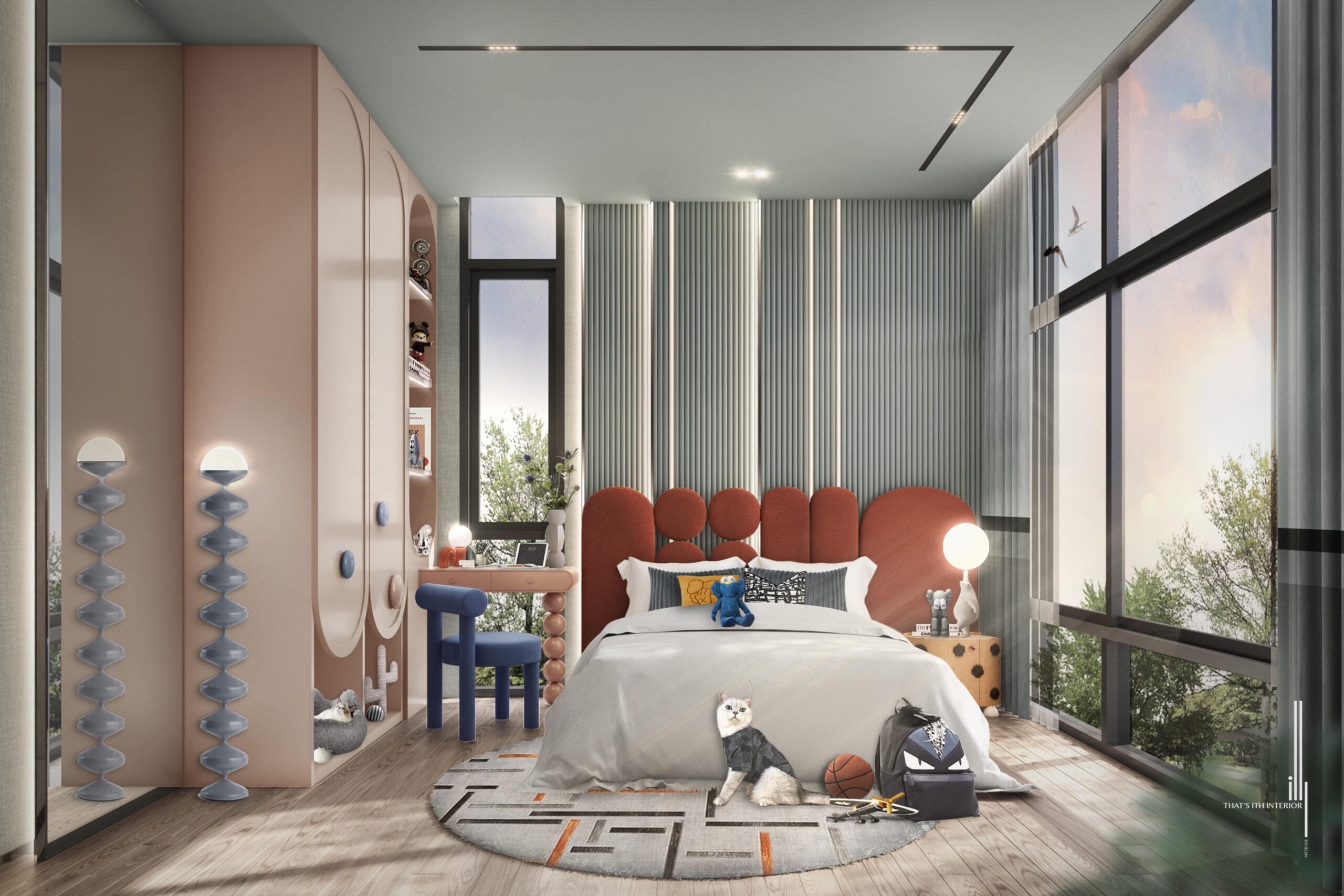
Why Asian Interior Design Has Become Increasingly International
Asia cannot be defined by one contemporary design language.
Bangkok, Tokyo, Singapore, Hong Kong, Seoul, and other major cities each have different relationships with:
architecture,
density,
climate,
culture,
craft,
family life,
hospitality,
and ideas of luxury.
That diversity is one of the region’s greatest creative advantages.
In one project, luxury may be expressed through highly detailed craftsmanship.
In another, through proportion and restraint.
A tropical residence may rely on the relationship between architecture and landscape.
An urban penthouse may be about creating intimacy inside an extraordinary city view.
A hotel may reinterpret cultural memory through contemporary materials rather than obvious local symbolism.
These are not simply different aesthetics.
They are different design problems.
And that distinction matters.
The most interesting designers in Asia are not simply following an international idea of what good design should look like.
They are contributing new answers to it.
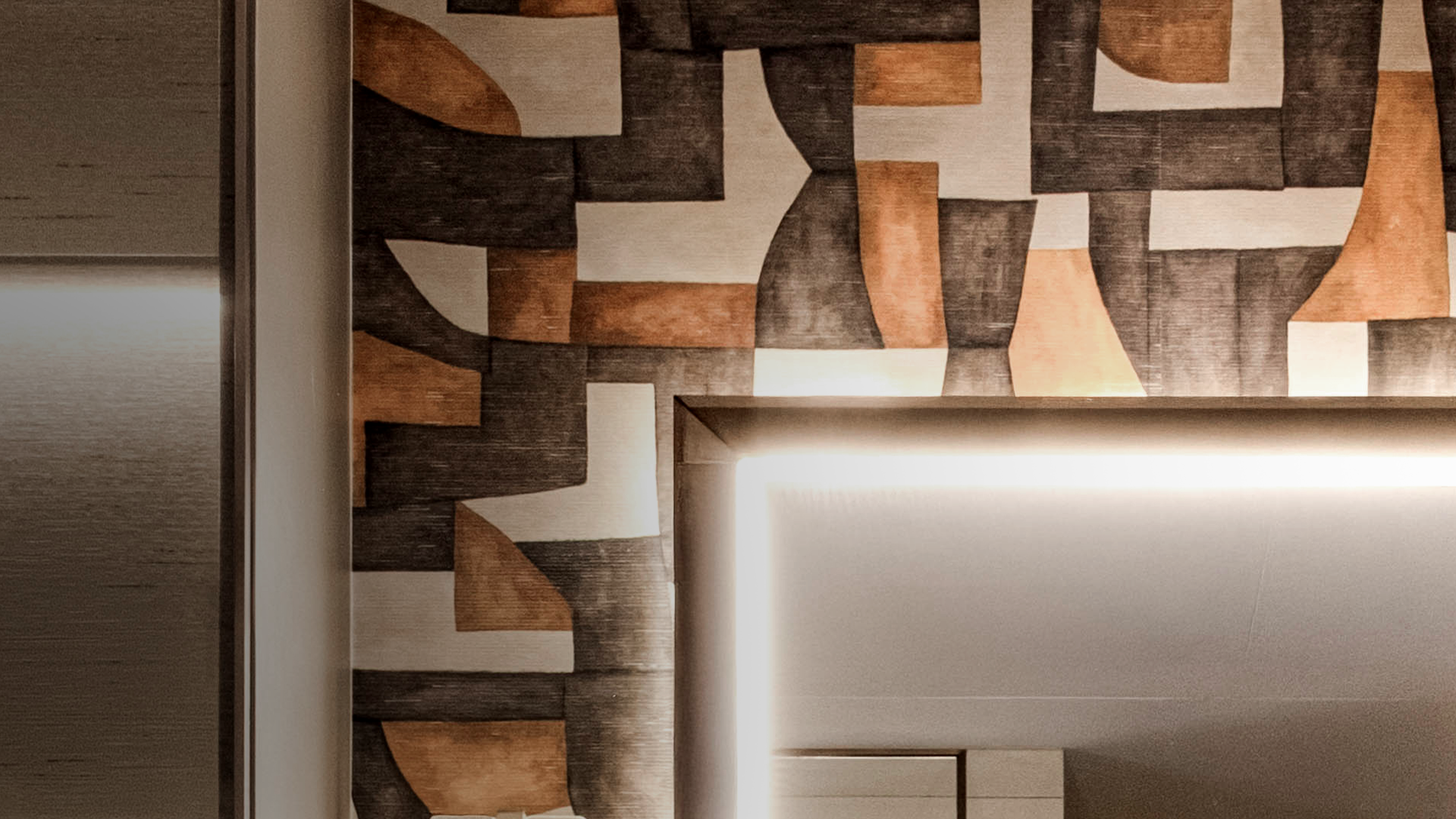
What Defines an International Award-Winning Interior Designer?
International recognition is often associated with originality, technical achievement, conceptual clarity, and the ability to turn an idea into a convincing built environment.
But awards are not all evaluating exactly the same thing.
Different programmes have different categories, criteria, juries, and purposes.
A hospitality project may be considered through:
guest experience,
operations,
identity,
atmosphere,
planning,
and execution.
A residential project may be judged through another combination of:
spatial quality,
personalisation,
materials,
craftsmanship,
innovation,
and response to the brief.
An internationally recognised designer therefore needs more than a visual signature.
The work needs to demonstrate the ability to understand different conditions and make strong decisions within them.
International recognition is most meaningful when it confirms a standard of thinking — not simply a repeated aesthetic.
That is an important distinction for clients.
Because the question should not be:
“Can this designer reproduce the project that won the award?”
It should be:
“Can this designer bring the same level of judgment to a completely different problem — mine?”
1. A Creative Identity That Can Survive Beyond Trends
Design trends move quickly across borders.
One material appears repeatedly.
A particular furniture silhouette becomes fashionable.
A colour dominates social media.
One style of lighting begins to appear everywhere.
These influences can be useful.
But they can also make interiors increasingly interchangeable.
An International Award-Winning Interior Designer needs the confidence to look beyond what is currently popular.
The starting point should be the project itself.
Who is it for?
Where is it?
What is the architecture?
What are the constraints?
What should people feel?
What deserves to be remembered?
What would make the project less convincing if removed?
Originality does not always require something visually dramatic.
Sometimes the most original decision is remarkably simple because it responds so precisely to the conditions.
A project does not become distinctive by trying harder to look different. It becomes distinctive when the reasons behind its decisions are difficult to copy.
That is a much stronger foundation for lasting design.
2. Cultural Intelligence Without Cultural Costume
Designing across Asia requires cultural intelligence.
But cultural intelligence is not the same as decoration.
A luxury residence in Bangkok may reflect family relationships and patterns of hospitality that differ from those of a home elsewhere.
A resort may need to belong to its destination without turning local culture into a theme.
A private villa may respond to tropical living without reproducing a familiar “Asian resort” aesthetic.
Traditional craft may be transformed through contemporary fabrication.
Spatial principles from vernacular architecture may influence shade, thresholds, privacy, or ventilation.
A familiar material may appear in an unfamiliar form.
The objective is not to make a project look culturally specific. It is to understand the culture deeply enough that it changes the design.
That creates a more meaningful sense of place.
And paradoxically, it can also make the work more internationally relevant.
Because specificity is often what prevents global design from becoming generic.
3. Global Perspective Should Sharpen Local Understanding
International recognition can expose designers to different markets, expectations, and ways of thinking.
That perspective is valuable.
But global sophistication should not erase local intelligence.
A project in Thailand still needs to respond to:
climate,
materials,
craft,
construction,
fabrication,
maintenance,
cultural behaviour,
and the way people actually occupy space.
Similarly, a project in another Asian city has its own conditions.
The strongest international designers do not arrive with a global formula.
They arrive with a broader set of questions.
Being international should expand the designer’s perspective — not reduce every place to the same visual language.
That distinction becomes particularly important for clients seeking work that feels globally sophisticated without becoming culturally anonymous.
4. Craftsmanship and Technical Discipline Matter as Much as the Idea
An idea is only as convincing as its execution.
Internationally recognised interiors frequently require coordination between:
interior designers,
architects,
engineers,
lighting consultants,
contractors,
furniture makers,
artists,
and specialist craftspeople.
A concept may begin emotionally.
Eventually it needs dimensions.
Materials.
Details.
Junctions.
Specifications.
Fabrication.
Coordination.
Some of the most important decisions remain almost invisible.
The alignment between two materials.
The proportion of a doorway.
The way light disappears into an architectural detail.
How a custom cabinet opens.
Where a shadow line ends.
Whether something can be maintained after several years of use.
These may not become the headline photograph.
They are often what separates an attractive design from a genuinely resolved one.
The more effortless a highly detailed interior appears, the more discipline may be hidden behind it.
This is particularly important for clients evaluating studios through digital portfolios.
Renderings demonstrate imagination.
Built projects demonstrate whether the process could carry that imagination into reality.
Understanding International Interior Design Awards in Asia
International interior design awards can bring work from Asia to a wider audience.
Programmes such as the Asia Pacific Property Awards, International Property Awards, International Design & Architecture Awards, and World Architecture Festival recognise work across different areas of design and the built environment.
Their categories and evaluation processes vary.
Some recognise hospitality.
Others residential projects.
Architecture.
Commercial interiors.
Specialised design elements.
This distinction matters when interpreting recognition.
An award for a hotel may indicate strength in:
guest journey,
atmosphere,
operational planning,
identity,
or hospitality experience.
A residential award may demonstrate a different set of abilities involving:
privacy,
personalisation,
craftsmanship,
planning,
or the relationship between architecture and everyday life.
Neither automatically proves expertise in every category.
The title of an award attracts attention. The recognised project tells you what that attention actually means.
When researching an award-winning designer in Thailand or elsewhere in Asia, clients should therefore look beyond the trophy.
Look at:
the project,
the category,
the year,
the challenge,
and the thinking behind the result.
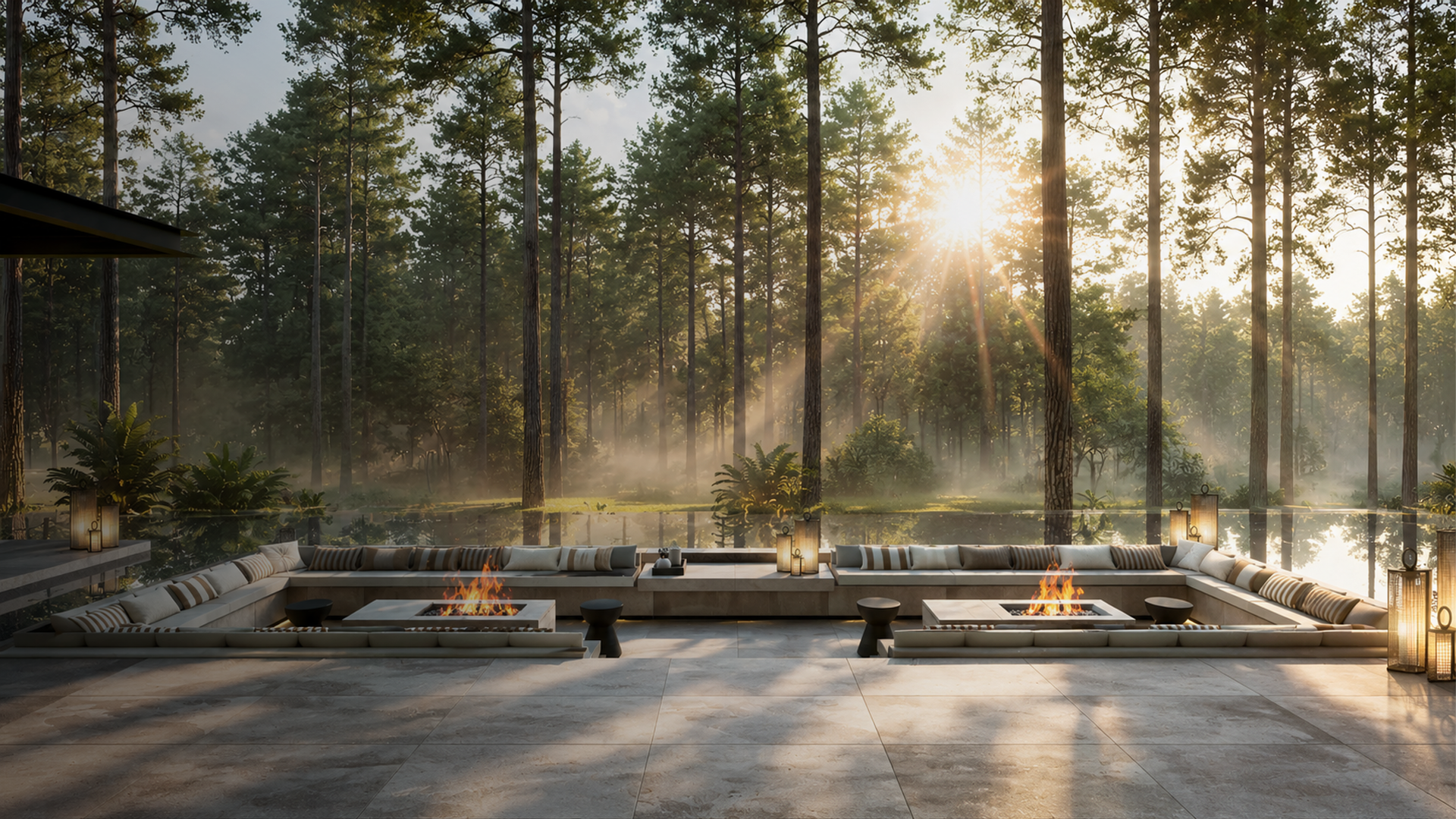
Award-Winning Residential Interior Design in Asia
Residential interior design is particularly personal.
Unlike a hotel or commercial environment, a home is experienced by the same people repeatedly.
Day after day.
Year after year.
It contains things that may never appear in the photographs.
Private conversations.
Family routines.
Objects with emotional significance.
Moments of solitude.
Conflict.
Celebration.
Changing needs.
For that reason, Award-Winning Residential Interior Design in Asia should be evaluated through more than visual refinement.
The question is not simply:
Does this home look luxurious?
It is:
Does the luxury make the life inside it better understood?
That is a much harder test.
Luxury Home Interior Design: The Owner Should Remain the Protagonist
A successful luxury home reflects the people living there.
That does not mean turning every personal preference into a decorative feature.
It means understanding which parts of somebody’s life should influence architecture and space.
A family may need shared areas that encourage togetherness while preserving individual independence.
An art collector may need carefully considered lighting, views, proportions, and circulation.
A homeowner who entertains frequently may require one relationship between public and private spaces.
Another may prefer almost complete separation.
Sometimes two people sharing the same home have different ideas of comfort.
These contradictions are not necessarily weaknesses in the brief.
They can be its most valuable information.
A truly personal home does not require the client to fit inside the designer’s aesthetic. The design has to become intelligent enough to contain the client’s life.
That is why high-end residential work should reveal more about the owner than the designer.
Luxury Villa Interior Design: Place Has to Change the Answer
Luxury villa design introduces another protagonist:
the environment.
Across Thailand and Southeast Asia, villa interiors may need to consider:
tropical heat,
humidity,
strong daylight,
rain,
landscape,
privacy,
maintenance,
and indoor-outdoor living.
A large opening may create an extraordinary connection with the garden.
It may also introduce heat, glare, privacy, or maintenance issues.
A natural material may appear perfect conceptually but perform poorly under local conditions.
A pool can become part of the architecture rather than an object outside it.
The site therefore needs to influence the design from the beginning.
A villa should not simply be positioned inside a landscape. Interior, architecture, and landscape should feel as though they discovered one another.
This is why a villa in Bangkok should not automatically look or behave like one in Phuket.
The location changes.
The answer should change.
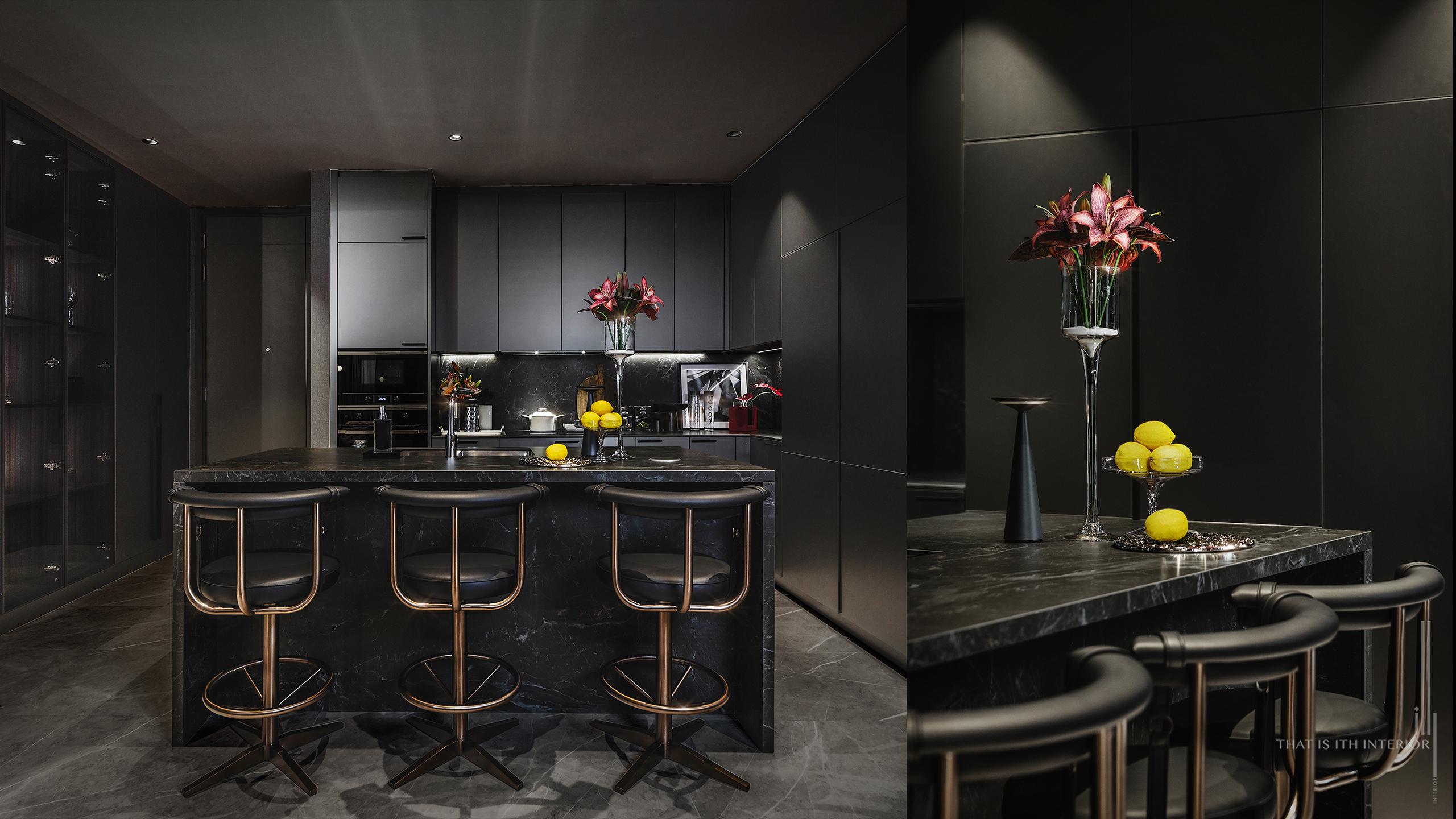
Penthouse Interior Design: Creating Intimacy Above the City
Penthouse design offers another interpretation of luxury.
Expansive views.
Generous volume.
Height.
Light.
Urban spectacle.
But an extraordinary setting can also overwhelm the people living within it.
The designer therefore needs to decide when to amplify the city — and when to create retreat from it.
Privacy.
Furniture scale.
Lighting.
Acoustics.
Circulation.
Building services.
Existing structural conditions.
All become part of the challenge.
The skyline may establish the setting. The interior has to create belonging.
Sometimes the most important space in a penthouse is not the one with the most dramatic view.
It may be the one that makes the owner forget they are living above the city at all.
That balance between spectacle and intimacy is where residential judgment becomes important.
How Hospitality Experience Can Strengthen Residential Design
Hospitality and residential interiors serve very different audiences.
But they share useful design intelligence.
Both involve:
atmosphere,
spatial sequencing,
lighting,
materiality,
comfort,
and emotional experience.
Hospitality design can teach a designer how to create arrival, reveal, transition, and memory.
Those skills can enrich residential design.
But the intention must change.
A dramatic entrance in a hotel may need to impress hundreds of people.
A home entrance may need to mean something primarily to one family.
A hotel lobby can encourage guests to gather.
A private residence may need to allow people to withdraw.
A hotel material may be selected for extreme commercial use.
A residential material might be chosen because of how beautifully it ages with one family.
Hospitality intelligence can enrich a home. Hospitality theatre should not automatically be imported into it.
A home should not feel like a hotel simply because both are luxurious.
The designer needs to understand what transfers — and what should remain behind.
Why International Recognition Matters to a Client
Awards can provide reassurance.
They suggest that a studio’s work has been considered outside its own organisation and that certain projects have attracted professional attention.
For an international client, recognition can also make an unfamiliar studio easier to evaluate.
But this is where the distinction between credential and capability becomes important.
A credential tells you something has been achieved before.
Capability tells you whether the thinking behind that achievement can be applied to your problem.
The second is what the client is actually buying.
The value of an award is not that it proves the designer knows how to win. It is that it may reveal the level of thinking, execution, and ambition the studio is capable of bringing to the next project.
That next project should not look like the award-winning one.
It should deserve the same level of conviction.
THAT’S ITH: International Recognition Without a Global Formula
At THAT’S ITH INTERIOR, we value international recognition.
But we do not believe international design should mean designing every project in an internationally recognisable way.
We begin with identity.
Who is this for?
Where is it?
What does the architecture offer?
What does the place contribute?
What should people feel?
What deserves attention?
What should remain quiet?
Led by ITH PALACH, THAT’S ITH is a Bangkok-based interior design studio founded in 2013, with a founder whose design career spans more than 25 years.
The studio works across luxury hospitality, residential, restaurant, workplace, and commercial projects in Thailand and international markets.
Our philosophy of Fearless Luxury does not begin with a fixed image of what luxury should look like.
It begins with the confidence to find an answer specific to the project.
A hotel should not look like a private residence.
A Bangkok penthouse should not automatically resemble a Phuket villa.
And two homeowners should not receive the same design simply because their budgets are similar.
The people change.
The place changes.
So the answer changes.
What remains consistent is the judgment behind those decisions.
International Recognition and Design Achievements
THAT’S ITH has received recognition through international design programmes including the Asia Pacific Property Awards and International Property Awards.
Selected recognised projects include:
- Royal Orchid Sheraton Bangkok — Hotel Conference Facilities Interior
- Silver Waves at Chatrium Riverside Bangkok — hospitality interior recognition
- The Address Siam–Ratchathewi — Grand Entrance Design
- Hyde Heritage Thonglor — Kitchen Design
- lyf Sukhumvit 8 Bangkok — international recognition within hospitality design
These projects are deliberately different.
A ballroom does not ask the same questions as a restaurant.
A grand entrance does not perform the same role as a private kitchen.
A lifestyle hospitality project requires another kind of behaviour entirely.
Their value as a body of work is therefore not that they establish one recognisable aesthetic.
They demonstrate an ability to move between different problems without losing the standard of thinking behind the work.
That, for us, matters more than visual repetition.
From International Recognition to Luxury Residential Design
The same principle applies to residential work.
THAT’S ITH’s portfolio includes urban penthouses, private houses, villas, and residential developments.
The Reserve Villas – Sukhumvit 89/1 operates within a Bangkok luxury residential context.
ANANN Villas – Phuket responds to another relationship between private living, climate, landscape, and architecture.
Hyde Penthouse explores high-rise residential experience.
SJ Home – Nonthaburi belongs to a different type of private family life again.
They differ in site.
Scale.
Architecture.
People.
And lifestyle.
They should not share one visual formula.
For us, international experience does not give a designer permission to impose more.
It should give the designer a broader vocabulary with which to understand the client.
The designer brings perspective. The home should still reveal the owner.
That is the balance we are interested in.
Choosing an Internationally Recognised Interior Designer in Asia
International recognition can be a useful starting point.
It should not be the end of the evaluation.
Before appointing a studio, consider:
- Does the portfolio show relevant completed work?
- Do different projects genuinely have different identities?
- Can the designer explain the thinking behind those differences?
- Does the studio understand your project type?
- Who will actually lead the design?
- How is technical development handled?
- How does the team collaborate with architects, consultants, contractors, and makers?
- How does the studio approach bespoke design?
- What happens when budget or technical conditions force change?
- Does the designer ask questions that make you see your own project differently?
Reputation matters.
But the most valuable relationship combines two things.
Confidence and curiosity.
Confidence that the designer has the experience to lead difficult decisions.
Curiosity strong enough not to assume the answer before understanding the project.
That combination is far more important than hiring somebody simply because their previous work has been recognised.
Planning a Luxury Home, Villa, Penthouse or Hospitality Project in Asia?
A meaningful project does not begin by selecting a fashionable design language and applying it to an architectural shell.
It begins by understanding what makes the project specific.
People.
Place.
Architecture.
Purpose.
Memory.
Behaviour.
Ambition.
At THAT’S ITH, we bring an internationally recognised design perspective to projects without asking them to become internationally generic.
Whether you are planning a private house in Bangkok, a luxury villa in Thailand, a penthouse, hotel, resort, restaurant, or another high-end interior commission, the first conversation should not be about which of our previous projects you want yours to resemble.
It should be about what yours has the potential to become.
Contact THAT’S ITH INTERIOR to begin that conversation.
You do not need to arrive with the perfect answer.
Part of our role is asking the questions that help reveal it.
Frequently Asked Questions
What is an international award-winning interior designer?
An international award-winning interior designer is a designer or studio whose work has received recognition through international design competitions or awards programmes.
Depending on the programme, recognition may relate to creativity, functionality, technical execution, innovation, material use, or other criteria.
Why choose an award-winning residential interior designer in Asia?
International recognition can provide additional evidence of creative and professional achievement.
Clients should also evaluate relevant built residential work, design philosophy, technical capability, communication, bespoke expertise, and the studio’s ability to understand the people who will live in the home.
Does international recognition guarantee better interior design?
No.
Awards provide evidence that particular work has been recognised, but they do not guarantee that one designer is right for every project.
The relevance of the designer’s experience, process, judgment, technical capability, and relationship with the client remain essential.
What should I look for when evaluating international interior design awards?
Look at the award programme, category, year, recognised project, and what the project demonstrates about the designer’s capabilities.
The number of awards alone provides less useful information than understanding the work behind them.
What makes award-winning residential interior design different?
Strong residential design needs to respond not only to aesthetic ambition but to the people living inside the home.
Privacy, comfort, family relationships, routines, collections, long-term change, craftsmanship, and personal identity can all influence the design.
What makes luxury villa interior design different from penthouse design?
Luxury villas often involve stronger relationships between architecture, climate, landscape, pools, outdoor living, and privacy.
Penthouses generally operate within existing high-rise structures and need to respond to views, services, building regulations, scale, and the challenge of creating intimacy within an elevated urban setting.
Can hospitality design experience benefit residential projects?
Yes.
Hospitality experience can bring strong understanding of atmosphere, lighting, sequencing, materiality, arrival, and emotional experience.
But those skills need to be translated carefully. A private residence should support the owner’s life rather than reproduce the theatricality of a hotel.
Does THAT’S ITH work outside Bangkok?
Yes.
THAT’S ITH’s portfolio includes projects in Bangkok and other locations in Thailand, including Phuket, as well as work in international markets.
Project services and scope are defined according to the requirements of each commission.
Should I choose an interior designer because they have won international awards?
Awards can be a useful signal of professional recognition, but they should be one part of a broader decision.
Look at the designer’s built work, project relevance, design philosophy, technical capability, team, collaboration process, and the way they think about your brief.
Perhaps the more useful question is:
“Will this designer use their recognition to repeat what already worked — or use their experience to discover an answer that belongs specifically to me?”
For us, the second is where the more interesting work begins.